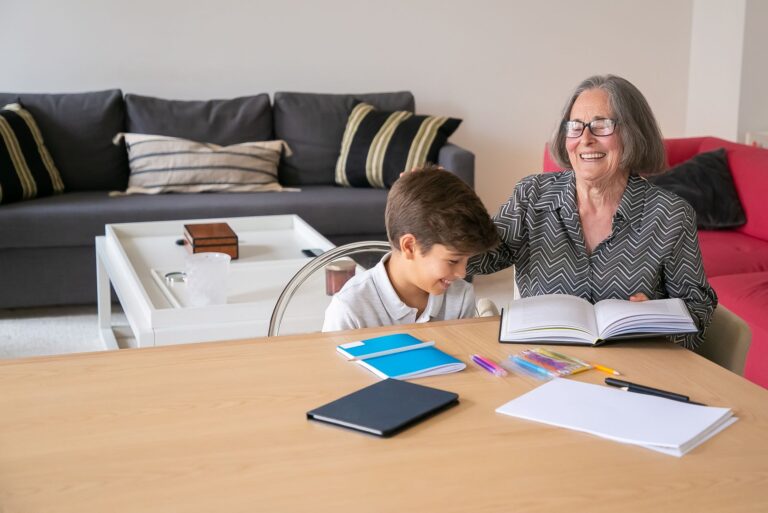
Yes, you can build learning a new skill into a realistic dementia prevention routine while starting slowly. A dementia prevention routine means small daily habits that lower modifiable risk for cognitive decline.
The World Health Organization states that up to 45% of dementia risk could be prevented or delayed by addressing modifiable lifestyle, medical and environmental factors across life the WHO guidelines notice. That makes a gentle start practical. Short sessions count when you repeat them.
Medical information disclaimer: This article is for general educational purposes only and does not provide medical advice, diagnosis, or treatment. Always consult a physician or other qualified health professional about symptoms, medications, tests, or treatment decisions.
Table of Contents
- What does a realistic starter routine include?
- How do you learn a new skill without overload?
- How do you add movement without overdoing it?
- What can brain training realistically do?
What does a realistic starter routine include?
Pick one anchor habit you already do. Add a 10- to 15-minute skill session right before or after it. Keep materials visible so starting takes little effort.
Pair that session with a short walk, steady sleep, produce-rich meals, and time with others. Stay current with blood pressure, diabetes, hearing, and vision care. Linked habits help the routine survive busy days.
How do you learn a new skill without overload?
The Alzheimer's Association advises challenging the mind by doing something new, such as learning a new skill or trying something artistic the Association's healthy habits list. Choose one that uses hands and attention.
Good options include sketching, knitting, basic guitar chords, or a language app. Use this low-pressure pattern for the first two weeks: Invite someone to join once a week. Social contact makes practice steadier and more enjoyable.
- Keep sessions to 10 to 15 minutes.
- Practice in the same time and place.
- Add time only when focus stays easy.
How do you add movement without overdoing it?
For adults 65 and older, the Centers for Disease Control and Prevention advises at least 150 minutes per week of moderate aerobic activity the CDC activity guidelines. Start with brief brisk walks. Add minutes, days, or pace only as comfort allows.
Add simple strength work on other days. Add balance moves such as heel-to-toe standing near a counter. Stop and rest if pain, dizziness, or unusual fatigue appears.
What can brain training realistically do?
The National Institutes of Health ties short adaptive speed training plus boosters to a 25% lower dementia rate over 20 years the NIH trial summary. The same NIH summary notes the memory and reasoning groups did not show that lower rate.
Treat that result as narrow, not general. Many brain games and skill formats were not tested. Pick one speed-based challenge, such as timed puzzles, and track whether you stay with it for one month.