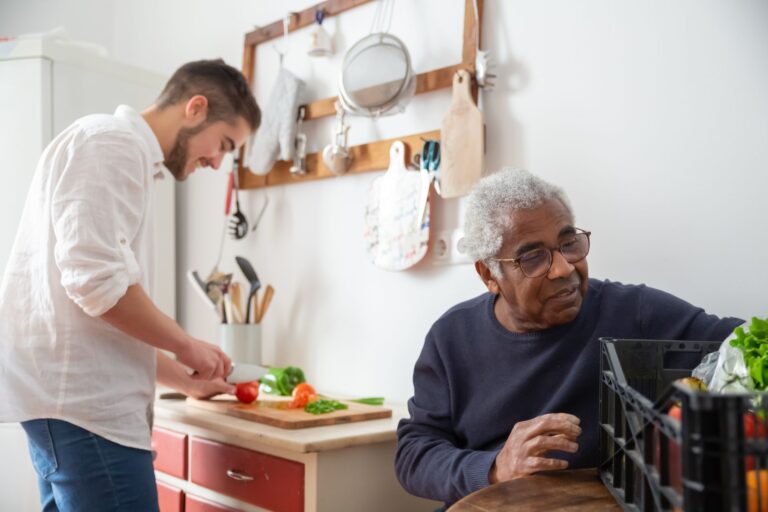
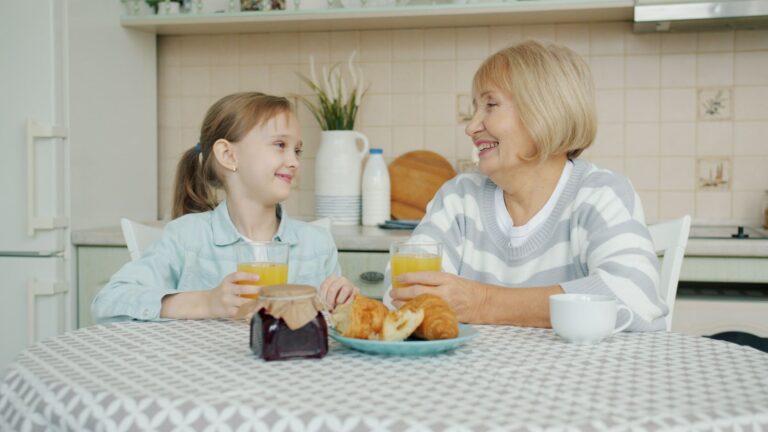
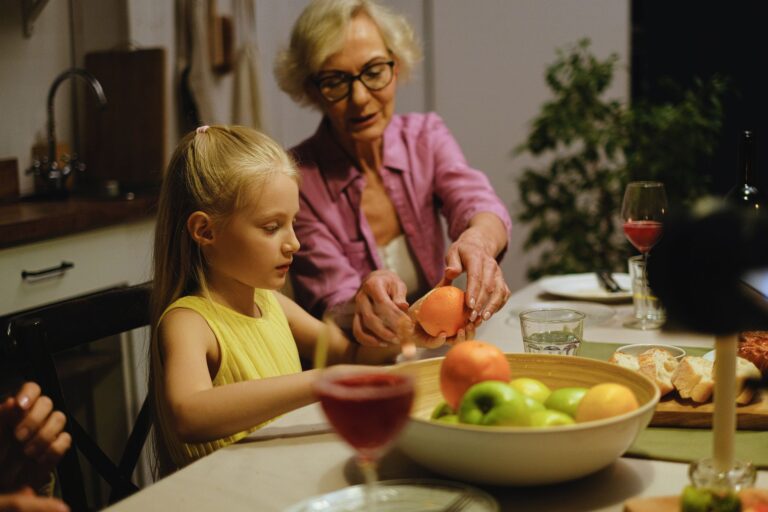
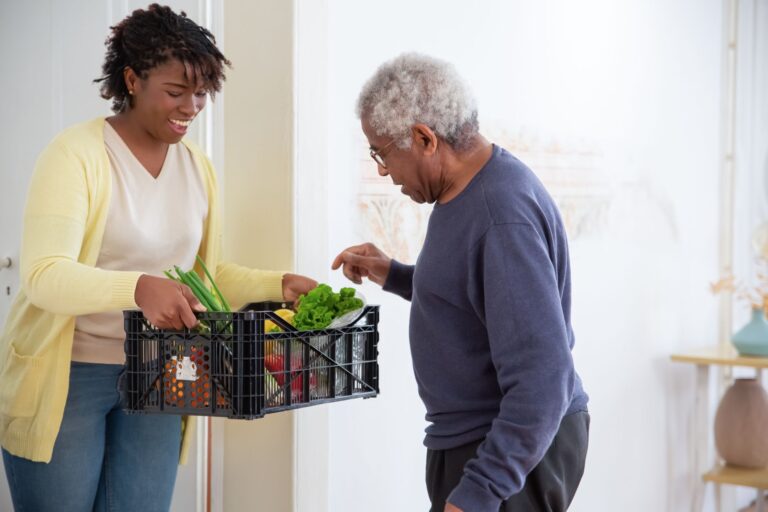
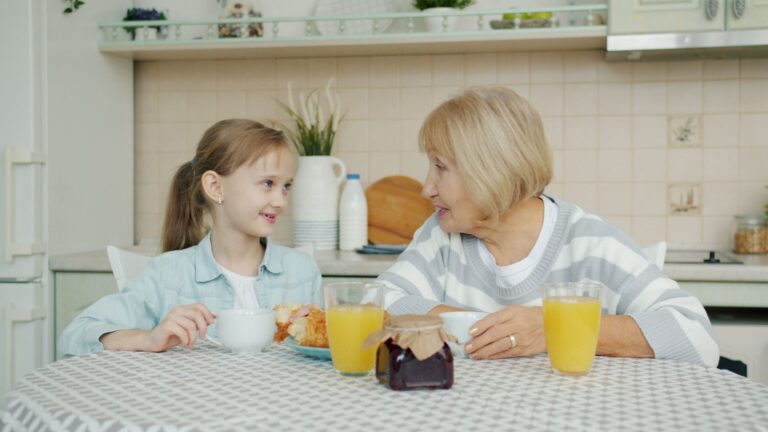
Step-by-step no-cook food preparation for memory care groups means assembling ready-to-eat finger foods together without stoves, ovens, or sharp tools. Memory care groups are small supervised activities for people living with dementia that support choice, movement, and social contact. The session works best as a short routine with one simple food, clean hands, and close supervision. Each person helps with safe tasks like tearing bread, peeling segments, or spreading soft fillings.
Medical information disclaimer: This article is for general educational purposes only and does not provide medical advice, diagnosis, or treatment. Always consult a physician or other qualified health professional about symptoms, medications, tests, or treatment decisions.
Table of Contents
- Start With Clean Hands and a Calm Table
- Which No-Cook Foods Work Best?
- How Do You Lead the Steps?
- What Safety Limits Protect Older Adults?
Start With Clean Hands and a Calm Table
Set out only what the group needs for one food. Clear extra dishes, wrappers, and bottles from the table before inviting people to sit. The CDC directs everyone to follow five handwashing steps every time: wet, lather, scrub for at least 20 seconds, rinse, and dry with a clean towel or air-dry handwashing steps from the CDC.
Help each person wash, then seat people with space to move elbows. Keep wipes or paper towels nearby for sticky fingers. Offer aprons or smocks only if wanted. Play quiet music or give a simple welcome so people know the activity has started.
Which No-Cook Foods Work Best?
Choose soft, bite-sized foods that can be picked up without a fork or knife. The Alzheimer's Association advises caregivers to support independence with bite-sized finger foods such as tuna sandwiches, orange segments, and steamed broccoli or cauliflower pieces, or by forming meals as sandwiches finger-food guidance from the Alzheimer's Association. For a no-cook table, good options include tuna salad sandwiches cut small, cheese sandwiches, canned peach slices, banana rounds, orange segments, and soft bread rolls.
Serve only one or two foods at a time to limit confusion and overwhelm. Avoid sticky peanut butter in thick layers because the VA dementia guidance notes it is hard to swallow. Cut sandwiches into halves or quarters before the group begins. Put portions on small plates or napkins so each person can see and reach their own food.
How Do You Lead the Steps?
Plan the activity for a similar time each day so it feels familiar. The National Institute on Aging instructs caregivers adapting activities to plan enjoyable activities at a similar time daily, help the person get started, and decide whether they can do it alone or need help activity guidance from the National Institute on Aging.
Use this short sequence for most groups: Keep instructions to one action per sentence. Let people watch, touch ingredients, smell fruit, or stir a soft filling if they do not want to assemble.
- Show the finished food, then name the first small task.
- Hand one person one task at a time, such as place cheese, tear lettuce, or set orange segments on bread.
- Stay beside the table, praise effort, and help with opening, pouring, or spreading as needed.
- Assemble together, then eat together right away.
What Safety Limits Protect Older Adults?
Skip foods with higher risk for older adults. The FDA warns high-risk groups including older adults to avoid raw sprouts, unpasteurized milk or juice, raw or undercooked meat, poultry, eggs, and seafood, plus deli meats and smoked fish unless reheated steaming hot food-safety advice from the FDA. FoodSafety.gov says to refrigerate perishables within 2 hours, or within 1 hour when heat is above 90°F.
Keep the refrigerator at 40°F or below. Watch for chewing or swallowing problems such as coughing, pocketing food, drooling, or refusal, since the VA links these problems to choking, infection, and weight loss. Offer water and stay seated while people eat. Save leftovers only if they were kept cold and handled with clean hands.