Meal delivery for dementia families means a program brings prepared meals to your home when your spouse with dementia cannot shop or cook safely. Staffing includes screened and trained drivers and volunteers, safety includes a brief check at the door, and quality includes set nutrition and food-safety rules. Home-delivered nutrition programs serve frail, homebound or isolated older adults and their spouses. The meals follow federal nutrition and food-safety standards, which helps a caregiving spouse keep a steady routine.
Medical information disclaimer: This article is for general educational purposes only and does not provide medical advice, diagnosis, or treatment. Always consult a physician or other qualified health professional about symptoms, medications, tests, or treatment decisions.
Table of Contents
- What does the meal itself cover?
- Who comes to your door?
- How does each drop-off add safety?
- How do you check food safety at home?
- How can you support eating between deliveries?
What does the meal itself cover?
The Administration for Community Living states that meals bought with Older Americans Act funds must follow the Dietary Guidelines for Americans and supply at least one-third of Dietary Reference Intakes in Administration for Community Living nutrition guidance. They must also meet state and local food-safety and sanitation rules. That gives a clear baseline for quality.
That baseline matters because dementia changes eating. People in middle- and late-stage Alzheimer's may forget to eat, think they already ate, or feel overwhelmed by too many choices. Familiar, balanced foods with fewer choices can lower stress at the table.
Who comes to your door?
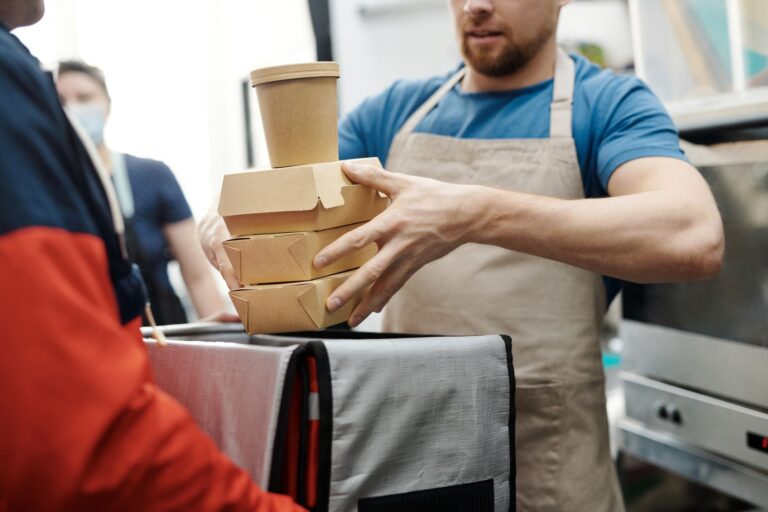
Programs screen the people who have unsupervised contact with clients. Delivery staff and volunteers complete an application, criminal and background check, and mandatory training before they visit alone, as described by Meals on Wheels San Diego in Meals on Wheels San Diego volunteer requirements. This protection matters for recipients with cognitive impairment.
You can ask the local program what training covers and how substitutes are screened. Keep a short list by the door with your spouse's needs, food issues, and your contact number. Tell staff about confusion, wandering, or trouble answering the door.
How does each drop-off add safety?
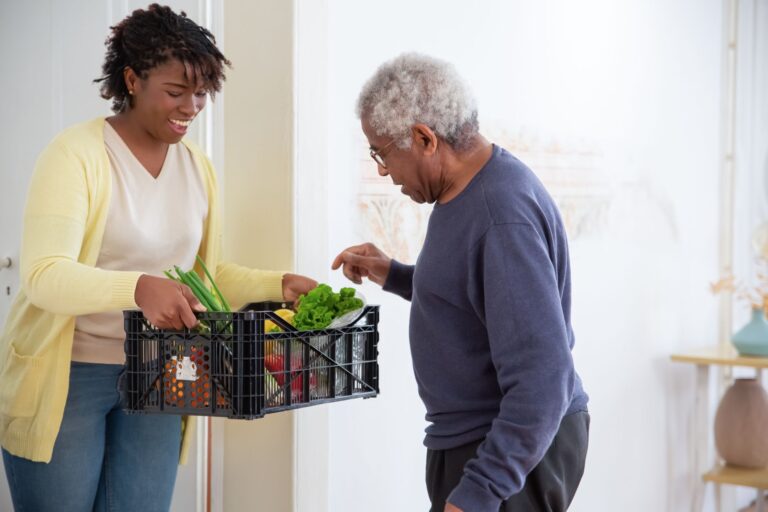
The driver or volunteer provides a brief wellness and safety check with each home delivery. The visitor asks if the senior is okay and reports a no-answer, illness, or concern to staff and emergency contacts, according to Meals on Wheels programs in Meals on Wheels volunteer safety check role. For a spouse caregiver, that extra set of eyes helps on busy or difficult days.
Plan for the visit so your spouse is calm and ready. Keep the path clear, keep pets in another room, and stay nearby if your spouse may refuse the meal or invite a stranger inside. Share your backup contact and your wish for a call if no one answers.
How do you check food safety at home?
Cold food should arrive cold and be refrigerated promptly. Penn State Extension and FDA Food Code guidance place the danger zone at about 41°F-135°F, so recipients should reject or report cold foods arriving above about 40°F, as explained in Penn State Extension home-delivery food safety guidance. Use the same quick routine each time:.
- Feel or measure the temperature and look at packaging and date labels.
- Refrigerate cold meals at once and reheat hot meals as directed.
- When food seems warm, late, damaged, or off in smell or color, do not serve it and call the program.
How can you support eating between deliveries?
Late-stage care often centers on watching eating, allowing plenty of time, adding favorite foods or calories when weight loss occurs, and asking a doctor about between-meal supplements. Offer one or two familiar foods at a time. Sit with your spouse, keep the setting calm, and allow extra time.
Save part of a delivered meal only when the label allows it. Note what gets eaten, what causes coughing or pocketing in the cheek, and what leads to refusal. Bring that record to the doctor, dietitian, or program nutrition contact for next-step changes.