No-cook food preparation for early-stage dementia means assembling safe foods without a stove or oven, and engagement looks like active interest while distress looks like withdrawal, agitation, or refusal. Early-stage dementia means memory and thinking changes are mild but daily tasks work best with simpler steps. This approach keeps the person involved without heat or sharp-tool risk. It also gives caregivers clear behavior cues to continue, simplify, or stop.
Medical information disclaimer: This article is for general educational purposes only and does not provide medical advice, diagnosis, or treatment. Always consult a physician or other qualified health professional about symptoms, medications, tests, or treatment decisions.
Table of Contents
- What counts as no-cook preparation?
- What does engagement look like?
- Which signs suggest distress or difficulty?
- How can you set up safer meals?
What counts as no-cook preparation?
No-cook preparation means wash-and-serve foods and simple assembly. Examples include cut fruit, vegetable sticks with hummus, yogurt, cheese and crackers, peanut butter sandwiches, and overnight oats. The National Institute on Aging advises people living alone with early-stage dementia to use easy-to-prepare foods such as microwave-heatable items, plus grocery delivery or Meals on Wheels for safety and nutrition, described in living-alone tips from the National Institute on Aging. Stock two or three repeatable options.
Keep portions small and ready to eat. The Alzheimer's Association early-stage guidance says to involve the person in outlining a weekly menu and grocery list. Let the person choose between two spreads, two fruits, or two snacks. Aim for balanced plates lower in fat and higher in vegetables.
What does engagement look like?
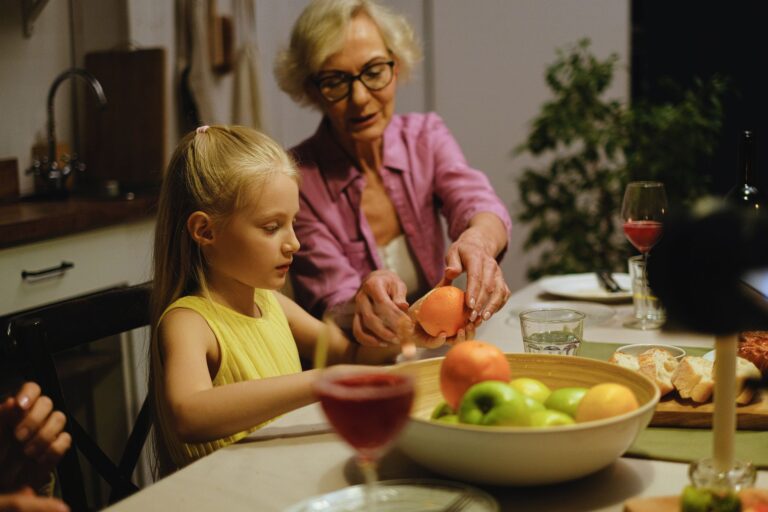
Engagement means the person leans in, watches, reaches, names foods, spreads, stacks, stirs cold ingredients, or eats with steady focus. Match the task to current abilities and interests and build on remaining strengths, a point made in activity guidance from the National Institute on Aging. Offer one short step at a time, such as tearing lettuce or placing cheese squares. Finger foods often hold attention because they are easy to see, pick up, and eat.
Use small pieces, contrasting colors, and stronger flavors when taste seems dulled. NHS Cornwall lists prompting to eat, eating together as a cue, blue contrast plates, colorful foods, and stronger flavors as engagement supports, noted in nutrition guidance from NHS Cornwall. Sit together and eat the same snack. Keep the table plain, noise low, and choices few. Stop while interest is still present so the next session starts fresh.
Which signs suggest distress or difficulty?
Distress means the behavior changes from the person's usual pattern. Watch for pushing food away, turning from the table, frowning, pacing, repeated questions, or sudden loss of focus. These moments call for a pause, fewer choices, or a change of food or setting.
NHS Cornwall lists agitation and inability to concentrate, holding food in the mouth, forgetting utensils or object use, new texture refusal, and paranoia or low mood about meals as distress or difficulty signs. Look for these observable cues during no-cook tasks: Do not coax, correct, or rush. Remove extra items, offer one food at a time, and try again later with a familiar favorite.
- agitation, restlessness, or inability to concentrate
- holding or pocketing food instead of swallowing
- confusion about utensils, cups, or food packages
- sudden refusal of familiar textures
- fearful, suspicious, sad, or irritable remarks about meals
How can you set up safer meals?
Keep the setup simple and calm. The Alzheimer Society of Manitoba advises simple table settings, plain dishes, high-contrast plates, only needed utensils, and less noise and clutter, explained in meal guidance from the Alzheimer Society of Manitoba. Use a solid-color blue plate, one cup, one napkin, and one finger food.
Offer water often and watch chewing closely. The Alzheimer's Association middle-stage food guidance notes distraction from many choices and changes in perception, taste, and smell, so one food at a time and finger foods help when utensils get hard. No-cook assembly does not fix chewing or swallowing problems. Persistent coughing, pocketing, refusal, or weight loss needs prompt clinician and speech-therapy assessment.