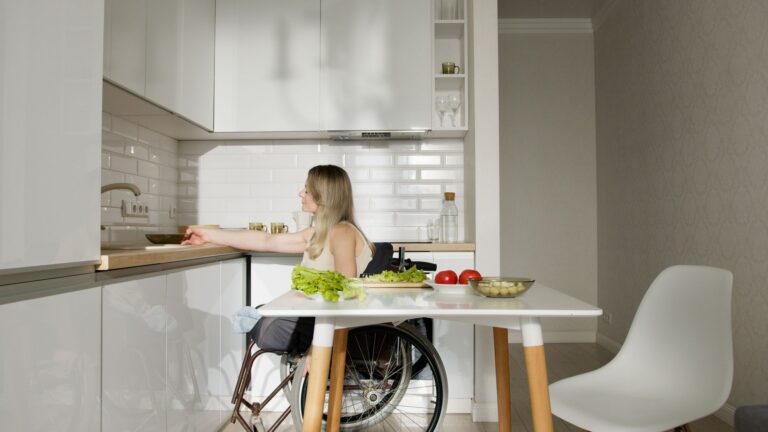
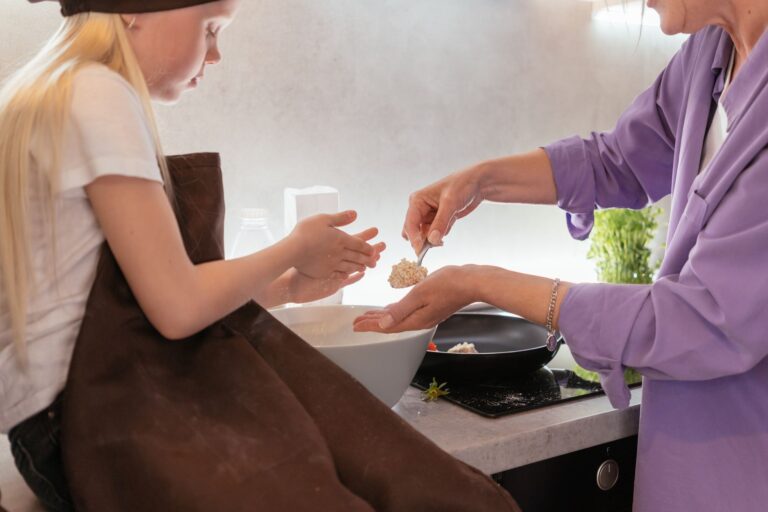
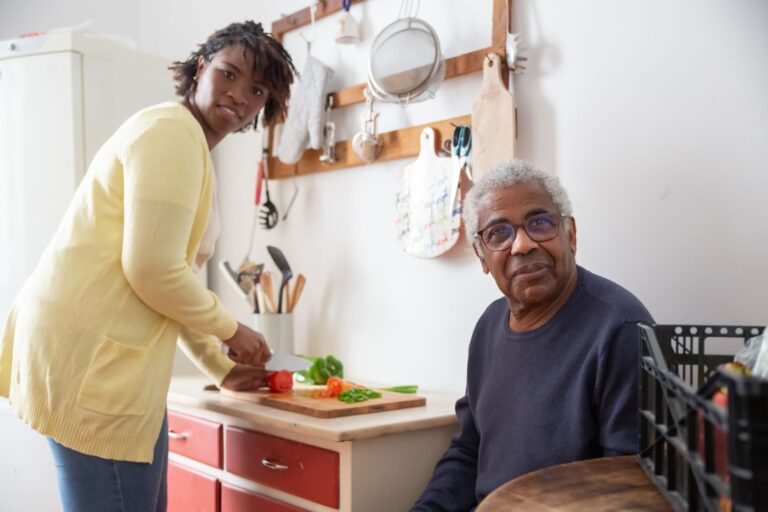
No-cook food preparation for memory care groups means simple ready-to-eat tasks like washing fruit, tearing lettuce, spreading, mixing, and assembling sandwiches. Engagement looks like sustained attention, smiling, talking, helping, and tasting, while distress looks like agitation, pacing, withdrawal, or refusal. Memory care groups serve people living with memory loss who need extra structure and support. No-cook menus remove stove, knife, and heat risks and preserve self-feeding and motor skills.
Medical information disclaimer: This article is for general educational purposes only and does not provide medical advice, diagnosis, or treatment. Always consult a physician or other qualified health professional about symptoms, medications, tests, or treatment decisions.
Table of Contents
- What can the group make without cooking?
- How should leaders set up the room and give directions?
- What does engagement look like?
- What does distress look like, and how can leaders lower risk?
What can the group make without cooking?
Good fits are washing fruit, tearing lettuce, spreading soft fillings, mixing, pouring, assembling sandwiches or fruit salad, and setting tables. Each person can do one small part while others watch, stir, or carry items to the table.
Choose foods served as-is and keep decorations separate from real food. Check food temperature where needed and remove unsafe items from reach.
How should leaders set up the room and give directions?
Use a quiet room with good lighting and comfortable temperature, as recommended in the dementia care practice recommendations from the Alzheimer's Association. Give one short instruction at a time, such as mix ingredients or hold the spoon.
Match the task to current ability and help start the activity. According to the National Institute on Aging in its adapting activities guidance, allow watching as valid participation rather than demanding completion.
What does engagement look like?
Positive engagement includes sustained attention to food or tools, constructive participation, talking or smiling, helping a neighbor, and tasting. Passive watching can still count as engagement for advanced dementia. Look for small signs across the table:.
- eyes stay on the food, bowl, or hands
- reaches, stirs, spreads, pours, or passes items
- smiles, talks, laughs, or tastes
- helps a neighbor or copies the leader's motion
What does distress look like, and how can leaders lower risk?
Distress often appears as agitation, pacing, restlessness, repetitive vocalizations, fidgeting, tense body language, sad expression, withdrawal, or refusal of care. When you see these signs, pause the task, offer a simpler role, and give space. Schedule groups in the morning or early afternoon.
According to the Alzheimer's Association California Central Coast Chapter in its sundowning handout, late-day confusion, anxiety, pacing, and irritability called sundowning affect many people with Alzheimer's. Keep ready-to-eat foods safe by requiring handwashing even when gloves or utensils are used and avoiding bare-hand contact. Cover stove knobs when working near a kitchen and keep unsafe tools out of the activity area.