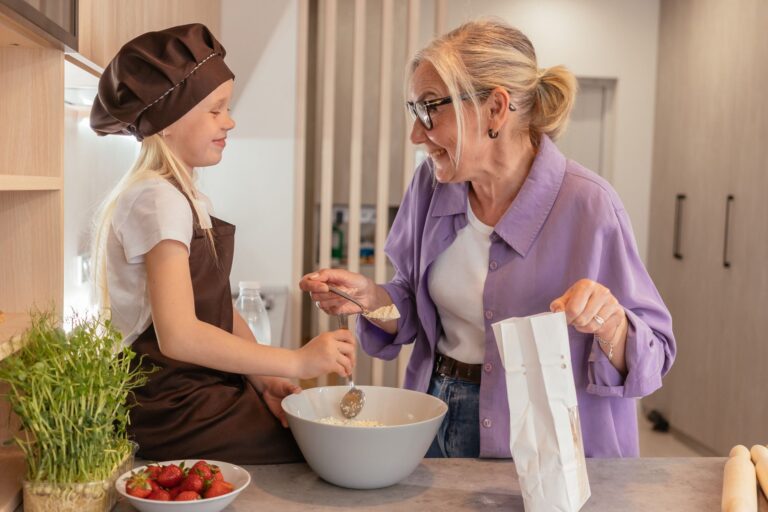
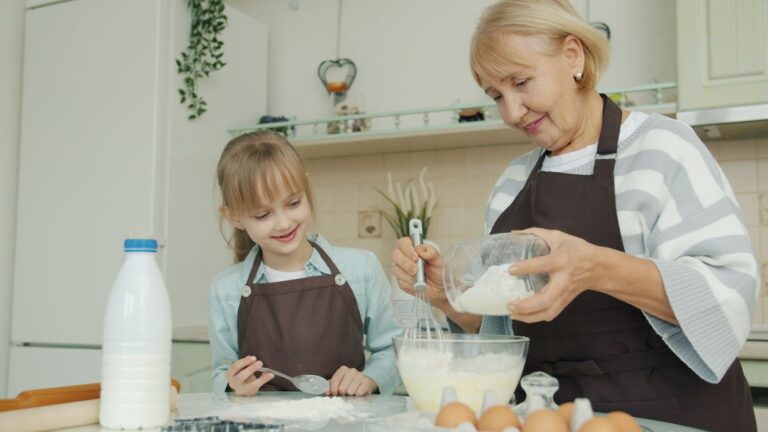
No-cook food preparation for memory care groups means making simple ready-to-eat snacks without stoves, ovens, or frying. Safe setup uses low-risk foods, clean hands and tools, cold holding, and one-step tasks matched to ability. This approach fits small group activities such as fruit cups, sandwiches, wraps, yogurt parfaits, and vegetable snack plates. It removes burn risk while still giving participants choice, movement, and social contact.
Medical information disclaimer: This article is for general educational purposes only and does not provide medical advice, diagnosis, or treatment. Always consult a physician or other qualified health professional about symptoms, medications, tests, or treatment decisions.
Table of Contents
- Which foods are lower risk for older adults?
- How do you set up a safe table?
- What supplies keep hands off ready-to-eat food?
- How do you match tasks to remaining abilities?
- What about chewing, swallowing, and independence?
Which foods are lower risk for older adults?
Adults age 65 and older face higher risk of severe illness from foodborne germs such as Salmonella, Campylobacter, and Listeria, so the Centers for Disease Control and Prevention advises favoring low-risk ready-to-eat choices, described in CDC guidance for adults 65 and older. Choose pasteurized milk and yogurt, freshly washed whole fruit and vegetables, bread, peanut butter from a fresh jar, canned tuna or beans, and pasteurized cheese.
Avoid unpasteurized milk and soft cheeses, cold deli meats and refrigerated smoked seafood unless heated until steaming, raw sprouts, and cut melon left unrefrigerated. Buy small amounts, check dates, and throw away anything past date or with damaged packaging. When in doubt, leave a risky item out of the activity.
How do you set up a safe table?
FoodSafety.gov directs home preparers to follow clean, separate, cook, and chill, including washing hands for 20 seconds, rinsing produce under running water without soap, keeping ready-to-eat foods away from raw meat juices, and refrigerating perishables within 2 hours, explained in federal four steps to food safety. Use that routine as the backbone for group setup. No-cook work also avoids the stove hazard, since the Alzheimer's Association advises preventing unsafe stove use with knob covers, removed knobs, shut-off gas, or auto-shut-off appliances, plus close supervision and uncluttered workstations.
Keep the work area small, clean, and calm before food comes out. Hold perishable no-cook foods needing temperature control at 41°F or below, with unrefrigerated display generally limited to 4 hours. Use a cooler with ice packs, a chilled tray, or small batches from the refrigerator.
- Wash hands, clean the table, and rinse whole produce under running water.
- Keep perishables chilled until serving and return leftovers within 2 hours.
- Give each person space, clear clutter, and stay within arm's reach.
What supplies keep hands off ready-to-eat food?
Do not let hands touch exposed ready-to-eat food. The FDA Food Code prohibits bare-hand contact and requires deli tissue, spatulas, tongs, single-use gloves, or dispensing equipment. Put those tools at every seat before the food arrives.
Use one spoon or tong per bowl, plus small cups so participants can portion their own snack. Offer napkins, wet wipes, and a trash bowl for peels and wrappers. Change gloves, tissues, or utensils that touch faces, tables, or the floor.
How do you match tasks to remaining abilities?
The Alzheimer's Association recommends matching tasks to remaining abilities, breaking cooking into one simple step at a time, and assisting with difficult parts, described in Alzheimer's Association activity guidance. Offer one clear choice at a time, such as spread, sprinkle, scoop, tear, or place. Demonstrate the step first, then let the person do what they can.
Stay beside participants and help with hard parts, for example measuring while the participant stirs or sets the table. Keep instructions short and repeat the same words each time. Stop a task that causes frustration and offer an easier role such as holding, sorting, or tasting.
What about chewing, swallowing, and independence?
For chewing or swallowing difficulty, offer bite-size finger foods or ground and pureed items, avoid hard-to-chew raw carrots and mixed textures, watch continuously for silent choking, and individualize textures per medical guidance. Seat participants upright, avoid rushing, and keep conversation pauses during bites. Ask care staff about known swallowing problems before serving.
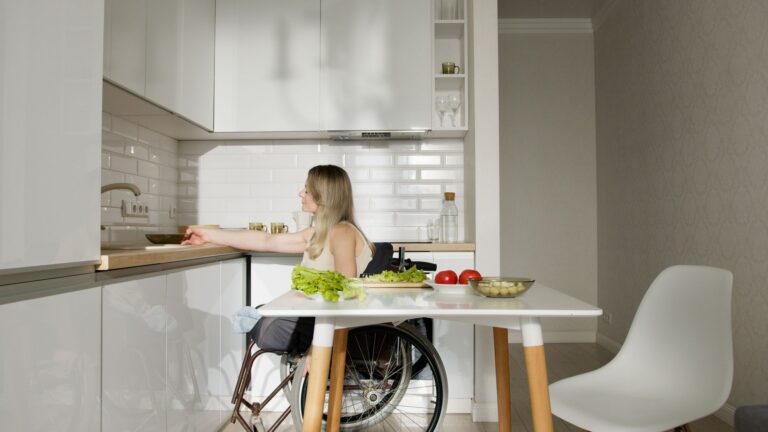
Adaptive aids such as plates with raised edges, large-grip or weighted utensils, nonskid mats, one-handed cutting boards, and cups with straws can aid independence. They do not replace swallowing evaluation, allergy checks, and good oral hygiene to reduce aspiration pneumonia risk. Check allergies first, label common triggers, and keep water nearby in easy-to-hold cups.