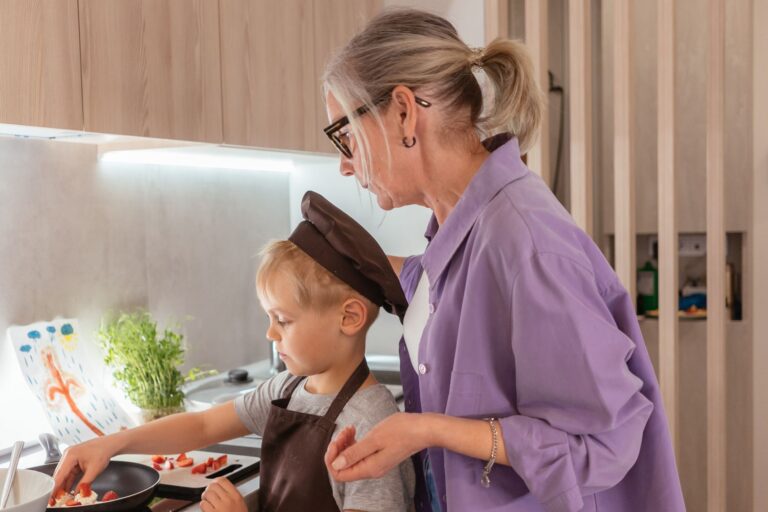
Simplify no-cook food preparation for dementia home care by keeping liked, easy-to-eat foods on hand and serving them as small, hand-held portions in a calm space. No-cook preparation means food that needs only simple assembly or opening, with no stove cooking. This approach reduces work for caregivers and eating effort for the person. It also helps match food choices, portion size, and timing to changing appetite and ability.
Medical information disclaimer: This article is for general educational purposes only and does not provide medical advice, diagnosis, or treatment. Always consult a physician or other qualified health professional about symptoms, medications, tests, or treatment decisions.
Table of Contents
- What to Keep for Easy No-Cook Meals
- When Do Finger Foods Work Best
- How Can the Eating Space Aid Focus
- What If Appetite Fades or Swallowing Changes
What to Keep for Easy No-Cook Meals
Keep premade salads, microwaveable meals, vegetables, fruits, and whole-grain products that fit foods the person likes and can eat. The National Institute on Aging gives this stocking strategy for caregivers in its tips for helping people with Alzheimer's eat well.
Build menus around vegetables, fruits, whole grains, low-fat dairy, and lean protein. The Alzheimer's Association centers healthy eating on these groups while limiting saturated fat, cholesterol, refined sugars, and excess salt in its food and eating guidance.
- Cut fruit cups, yogurt, cheese sticks, and whole-grain crackers
- Premade tuna, egg, or bean salads in small portions
- Washed berries, banana halves, soft cooked vegetables, and pita halves
When Do Finger Foods Work Best
Offer hand-held foods when utensils, sitting still, or large plates become hard. Late-stage Alzheimer's often allows better intake with cheese, small sandwiches, small chicken pieces, and fresh fruits and vegetables.
Choose shapes that are easy to grip and chew. Pita bread is easier to handle than loose bread, and small pieces lower mess and fatigue.
How Can the Eating Space Aid Focus
Lower noise and clutter, use plain tableware, and add written meal cues. A 2024 Ohio State study reported these steps, plus community help such as Meals on Wheels, support home mealtimes.
Serve food on a contrasting blue plate instead of white to make food easier to see. Keep the table tidy and limit distractions during the meal, as described in the NHS Cornwall and Isles of Scilly eating well with dementia guide.
What If Appetite Fades or Swallowing Changes
Serve smaller meals more often when large meals overwhelm or fatigue sets in. Add calorie-rich snacks, serve at preferred times, and repeat the offer later if appetite is low.
Watch for chewing and swallowing difficulty, taste and smell loss, and pocketing food in the cheek. Cut foods bite-size, avoid hard or tricky textures, check temperature, and seek GP, dietitian, or speech-therapy advice for choking, weight loss, or refusal.