When interest in no-cook food preparation — making simple snacks or dishes without heat — fades in memory care groups — planned activities for people living with dementia — the best alternatives are smaller kitchen jobs, staff-cooked shared meals, sensory food games, and other enjoyable routines. These options keep social contact and purpose without asking for full participation. Shifts in attention, energy, and appetite are common as dementia progresses. A ready backup plan lets staff offer choice and calm instead of pressure.
Medical information disclaimer: This article is for general educational purposes only and does not provide medical advice, diagnosis, or treatment. Always consult a physician or other qualified health professional about symptoms, medications, tests, or treatment decisions.
Table of Contents
- Give smaller jobs instead of full recipes
- Let staff cook while residents lead the meal
- Make the menu safer for older adults
- Try food play without cooking
Give smaller jobs instead of full recipes
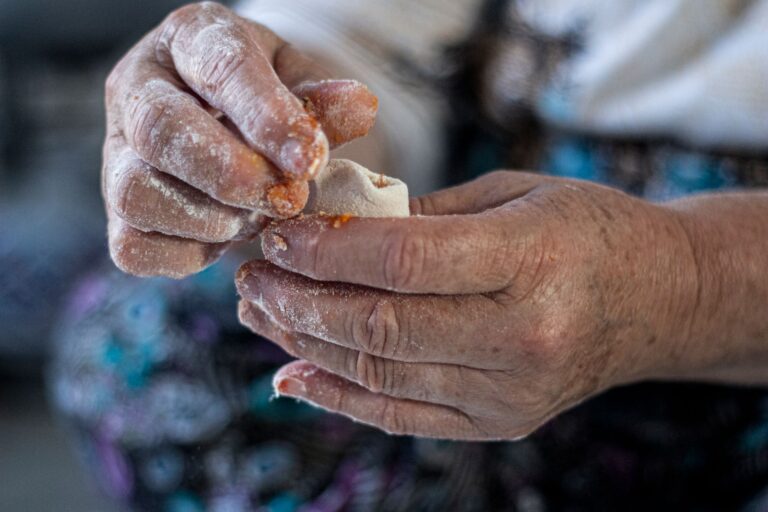
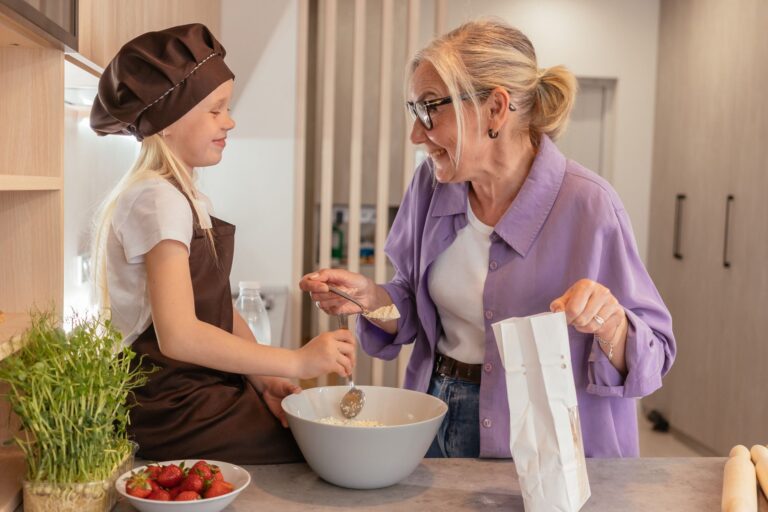
Keep the person at the table with one clear task. The National Institute on Aging advises adapting kitchen tasks for Alzheimer's groups by assigning gathering materials, measuring, mixing and pouring, or narrating a recipe when full no-cook participation fades adapting activities guidance.
The Alzheimer's Association recommends caregivers finish difficult steps and delegate achievable ones, such as completing measuring then saying "Would you please stir this for me?" daily care activities guidance. That split keeps success likely. Try this swap in the moment:.
- offer measuring one ingredient instead of the whole dish
- ask for stirring, pouring, tearing lettuce, or passing cups
- invite narrating, holding the recipe card, or tasting and choosing
- let watching count as joining when doing feels like too much
Let staff cook while residents lead the meal
Move the work behind the scenes and keep choice up front. In New York's EDGE dementia project, staff did the actual cooking while residents served themselves, then added a lunch club where residents chose the menu and helped with preparation. Use that pattern for a group losing steam.
Staff handle heat, knives, and timing. Residents pick between two entrees, set tables, pour drinks, serve bread, or greet the group. Daily supervised cooking has shown benefits for mood and behavior in care settings. A 2003 clinical trial by Fitzsimmons and Buettner found two weeks of daily sessions reduced agitation and passivity in assisted-living residents with dementia and disturbing behaviors.
Make the menu safer for older adults
No-cook menus often lean on raw foods, which carry more risk at this age. The FDA warns food safety is especially critical for older adults and immunocompromised people because weakened immune systems make them especially vulnerable to foodborne illness Food Safety for Older Adults guide. The CDC advises adults 65 and older to avoid raw or undercooked meat, poultry, seafood and eggs, unpasteurized milk and cheese, unwashed produce, and raw sprouts, choosing cooked versions instead Safer Food Choices guide.
Cooked vegetables, canned fruit, pasteurized cheese, and fully cooked eggs are safer picks. Shift the group toward cooked shared dishes, warm drinks, or assisted tasting portions. Wash produce well, chill leftovers fast, and skip raw sprouts and unpasteurized items.
Try food play without cooking
Food interest can stay even when recipe steps do not. A memory-care Shared Meals 8-week program offers non-cooking food engagement through smell-test games, Food Detective tasting, food collages, and guided mealtime conversation starters. Run one short game at the table. Pass herb jars for smell tests. Offer two soft foods to compare for sweet, salty, or crunchy.
Build a collage from grocery flyers. Use one starter question, such as favorite holiday meal. When food itself loses appeal, rotate to another pleasant activity. The National Institute on Aging lists practical rotation options when cooking interest drops, including gardening, setting the table, folding laundry, music, art, walking, and pet time, prioritizing enjoyment and permitting watching. End by noting who smiled, talked, or stayed longer, then repeat that activity next time.