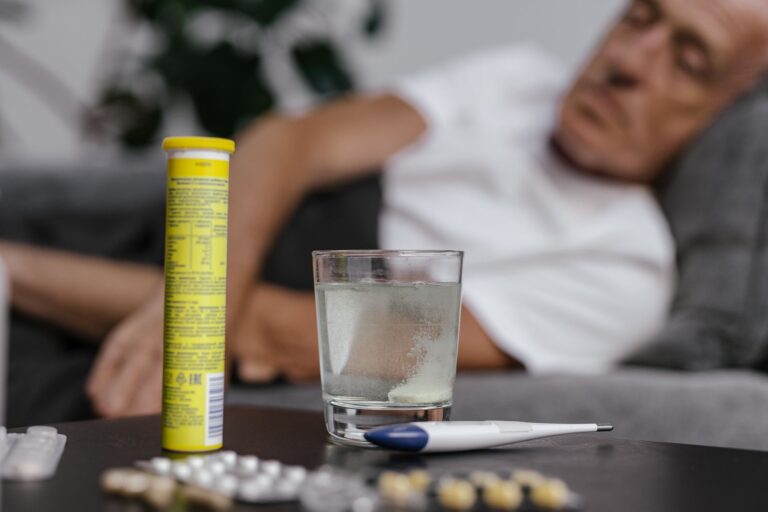
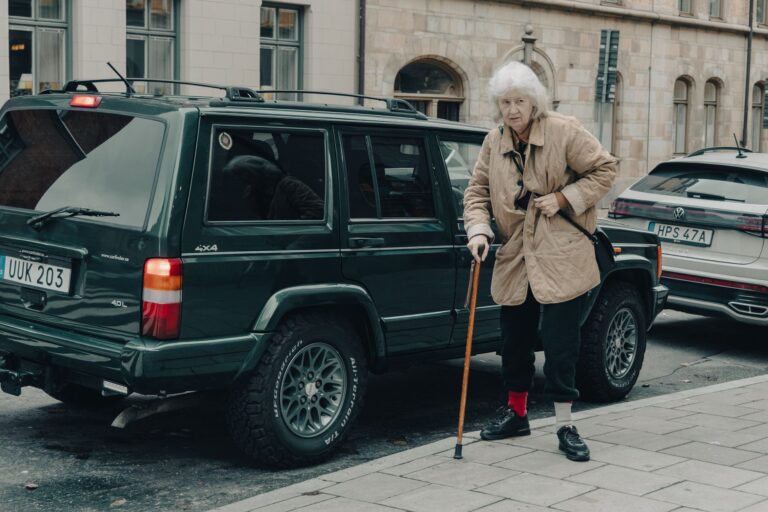
A fall with a family history of Alzheimer's should prompt questions about brain health at the next medical visit. Ask about cognitive screening, fall causes, medications, and tests that can clarify dementia risk.
Alzheimer's disease is a brain disorder that impairs memory, thinking, and daily function. Related dementias cause similar decline from other brain changes. Family history raises concern, but it does not decide the outcome alone.
Medical information disclaimer: This article is for general educational purposes only and does not provide medical advice, diagnosis, or treatment. Always consult a physician or other qualified health professional about symptoms, medications, tests, or treatment decisions.
Table of Contents
- Why does this combination deserve attention?
- Could gait changes link falls and early disease?
- What details should you report after a fall?
- How does family history affect personal risk?
- What questions clarify next steps?
Why does this combination deserve attention?
Among 2 million older adults with traumatic injury, 10.6% who fell later received a diagnosis of Alzheimer's and related dementias. That group faced a 21% higher dementia risk than people with other injuries, according to researchers described in the Harvard Gazette report on falls and Alzheimer's risk.
The researchers recommend cognitive screening for older adults seen in emergency or inpatient care after a fall-related injury. For a reader with affected parents, siblings, or grandparents, that recommendation makes the emergency visit or follow-up visit a good time to raise brain health directly.
Could gait changes link falls and early disease?
Slower walking speed, more variable steps, and worse balance can appear during preclinical Alzheimer's. Preclinical means brain changes are present before measurable memory loss.
These movement changes can raise fall risk. A careful exam therefore looks both ways. It checks injury recovery and checks whether balance or walking changes suggest a need for cognitive follow-up.
What details should you report after a fall?
Many falls go unreported. More than 1 in 4 adults age 65 and older falls each year, but more than half who fall do not tell their health care provider, according to the CDC STEADI provider training on older adult falls.
Silence delays prevention and hides a pattern. Bring specific notes to the visit instead. Useful details include when and where the fall happened, footwear and lighting, dizziness or tripping, head impact or confusion afterward, and any change in walking, balance, or memory since.
- Date, place, and activity at the time of the fall
- Witness observations, head strike, or brief loss of consciousness
- New medications, dose changes, alcohol use, or illness
- Walking, balance, vision, foot, or hearing changes
- Specific memory examples with dates and daily impact
How does family history affect personal risk?
Having relatives with Alzheimer's raises risk. The National Institute on Aging notes that APOE e4 increases risk and earlier onset, while APOE e2 may offer some protection, but neither guarantees disease.
That distinction matters for decisions. A parent's diagnosis does not mean a child will develop Alzheimer's. It means family pattern, age, health conditions, and symptoms deserve clear documentation at the visit.
What questions clarify next steps?
For memory concerns, the Alzheimer's Association advises asking what conditions raise dementia risk, whether medications could cause symptoms, and what tests could rule dementia in or out. Bring specific examples of memory change, past and current medical problems including family memory illness, and all prescription and over-the-counter drugs, as described in the Alzheimer's Association guide to visiting your doctor.
Use those prompts to close the visit with actions. Ask what fall risks can be reduced now, whether cognitive testing or referral is warranted, and when to return if walking or thinking changes. A single fall with family history warrants evaluation, because a fall may be an early marker of undetected disease rather than its cause.