Adapt reminiscence conversations for one-on-one dementia care by meeting privately, slowing the pace, and using familiar photos, songs, or objects to invite stories. Reminiscence conversations mean talking through past experiences together to support connection and mood. Keep the focus on the person in front of you. Follow their lead, accept their version of events, and value time together over right answers.
Medical information disclaimer: This article is for general educational purposes only and does not provide medical advice, diagnosis, or treatment. Always consult a physician or other qualified health professional about symptoms, medications, tests, or treatment decisions.
Table of Contents
- What can one-to-one time do?
- How do you set up a calm talk?
- Which prompts invite stories?
- How do you handle difficult moments?
What can one-to-one time do?
Subgroup results from the Cochrane Library analysis found probable slight gains in cognition from individual reminiscence, with gains fading after longer follow-up Cochrane Library review. Group reminiscence showed a different pattern, with probable slight gains in communication.
That pattern matters for daily care. Use solo talks to enjoy company, lift mood, and learn the person's story. Do not use them to test memory or chase lasting gains in thinking.
How do you set up a calm talk?
Choose a quiet room with few distractions. Sit face to face, stay with one partner, and keep the visit short enough to end on a good note.
The US National Institute on Aging advises making eye contact, using the person's name, speaking slowly, keeping sentences short, and asking yes-or-no questions to lower strain talking with someone who has Alzheimer's. Speak to the person directly, pause often, and let them finish without help.
- Pick one quiet place at a calm time of day.
- Silence the television and put phones away.
- Sit where they can see your face.
- Allow extra time and keep your voice steady.
Which prompts invite stories?
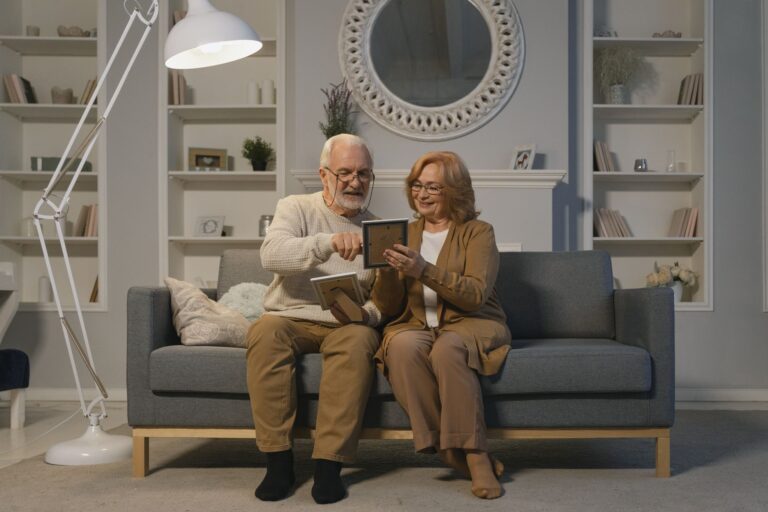
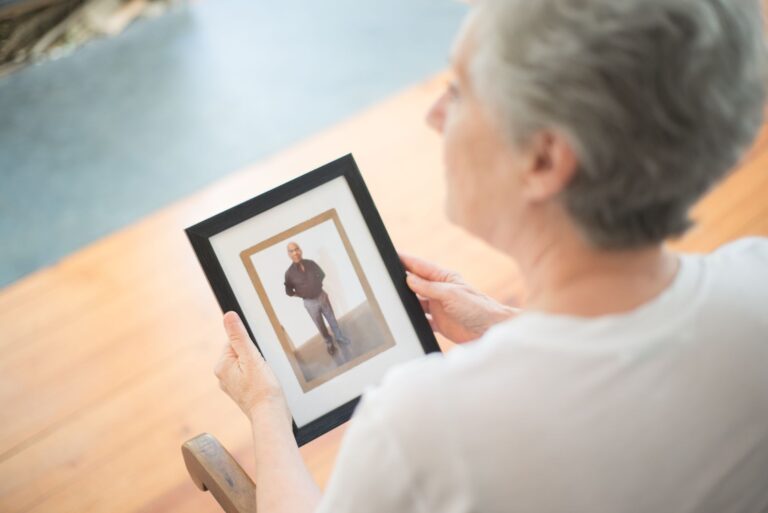
The Alzheimer's Society suggests concrete personal cues such as photographs, favorite songs, familiar objects, meaningful scents, and maps of places lived or visited activity ideas for people with dementia. Hold up one item at a time. Name what you see and ask a simple open response.
Treat response as more important than accuracy. If a wedding photo brings a story about a dance hall, stay with the dance hall. If singing works better than talking, sing together.
How do you handle difficult moments?
Memories can turn painful without warning. Dementia-communication researchers advise against quizzing with "do you remember?", against repeated correction, and for following the person's lead practical tips for talking to people with dementia. Watch for tears, agitation, withdrawal, or a sudden wish to stop.
Shift gently when distress appears. Acknowledge the feeling, offer a comforting topic or activity, and note the trigger for the care team. Share sensitive topics and warning signs so others can avoid repeat upset.