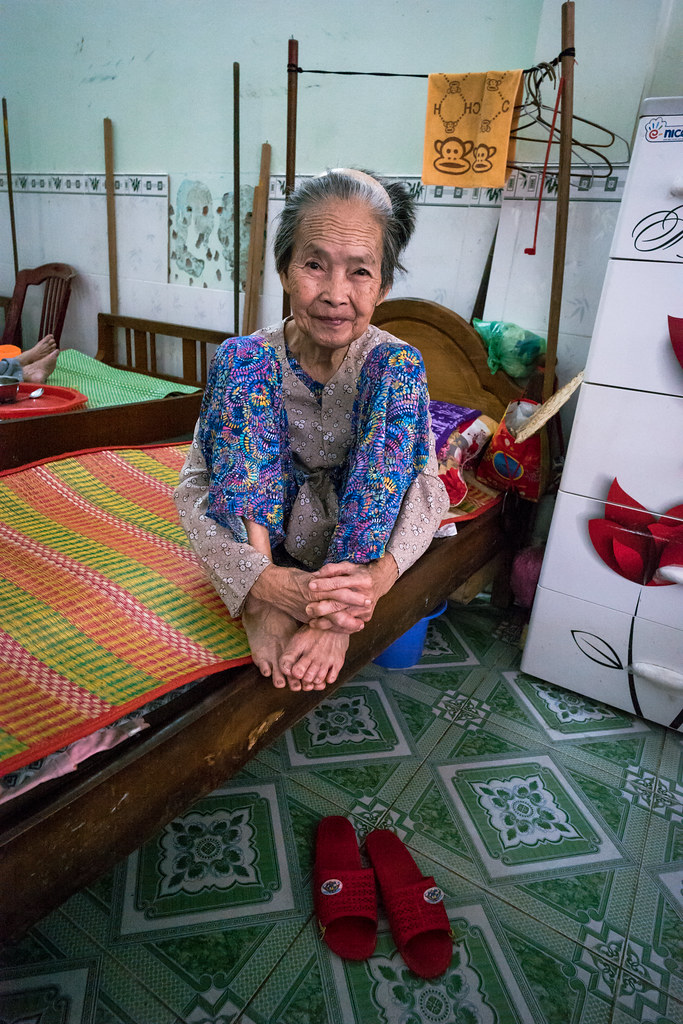
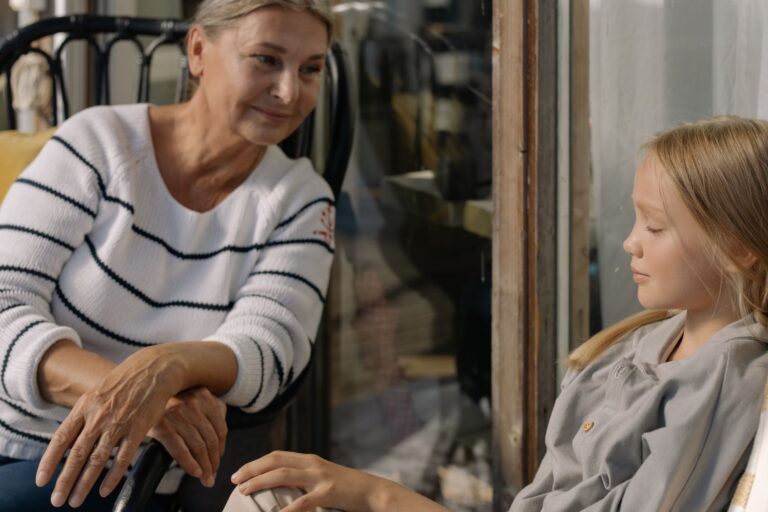
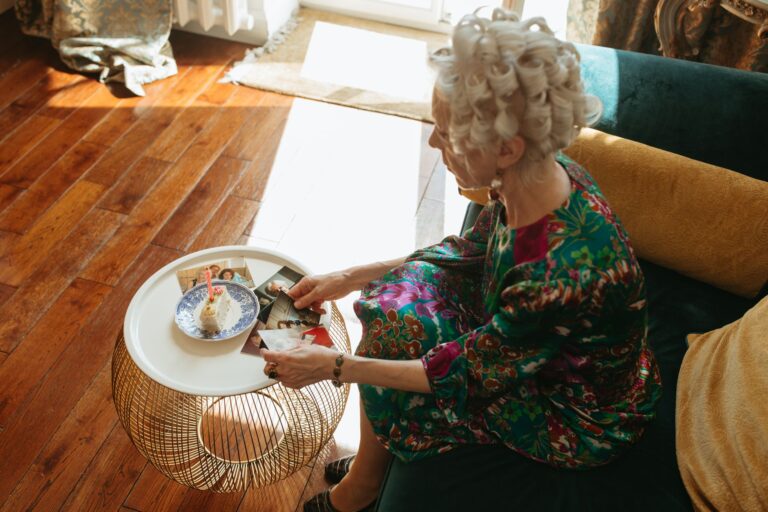
To simplify one-on-one reminiscence conversations, move to a quiet space, show one familiar prompt, and ask one short question at a time. Speak slowly in short sentences, pause, and let the person answer without interruption. Reminiscence therapy means discussing past memories with another person using tangible prompts such as photographs, music, videos, or objects, as described in the Cochrane review summarized by Porchlight Cochrane review summary.
A calm setting helps focus and reduces overload. The Alzheimer's Association advises engaging the person directly in a space with minimal distractions Alzheimer's Association communication guidance. One clear prompt and one clear question keep the talk enjoyable instead of tiring.
Medical information disclaimer: This article is for general educational purposes only and does not provide medical advice, diagnosis, or treatment. Always consult a physician or other qualified health professional about symptoms, medications, tests, or treatment decisions.
Table of Contents
- Set up a calm one-to-one space
- Ask less to hear more
- Let one prompt carry the conversation
- Expect small gains and protect the carer
Set up a calm one-to-one space
Choose a quiet room and turn off the television, radio, and phone alerts. Sit face to face at eye level, with good light on your face. Keep only the chosen prompt in view.
Use this short reset before each chat: Stay close and attentive throughout. Your calm presence signals that there is no rush. That focus makes the next question easier to hear.
- Move to the quiet spot and settle in
- Place phones out of sight
- Offer one prompt, such as a wedding photo
- Say the person's name, then start gently
Ask less to hear more
Ask one question at a time and avoid multi-part requests that overwhelm thinking. The Alzheimer's Association gives this same one-question rule for daily dementia communication. Break any task into clear one-step instructions. Replace open recall with choice. Instead of asking what happened on a trip, ask if the music came from a radio.
Yes-or-no questions lower pressure and keep words flowing. Repeat or rephrase as needed without correcting. Give extra processing time after each question. The National Institute on Aging recommends short, simple sentences delivered slowly and calmly, with pauses for response NIA guide on communicating and Alzheimer's. Do not interrupt, finish sentences, or add a second question during the pause.
Let one prompt carry the conversation
Pick a single strong cue for each talk. A family photo, favorite song, short video clip, or held object works well. Too many items split attention and stall speech. Follow the prompt, not a script. If a kitchen photo brings talk of bread, stay with bread.
Name what you see, play a short passage, then wait. Small reactions count as participation. Keep steps tiny and repeatable. Offer simple step-by-step instructions, repeat them as needed, and stay with yes-or-no checks. Say look at this photo, then pause. Say tell me if you like this song, then pause.
Expect small gains and protect the carer
Evidence points to modest effects rather than large change. The 2018 Cochrane review of 22 trials with 1,972 people found no important overall quality-of-life effect, but probable slight benefits for mood in one-to-one sessions. Treat a calmer mood, a smile, or a longer exchange as success.
Watch your own load as well. Joint reminiscence groups with family carers showed no effectiveness benefit in the REMCARE trial and raised carer anxiety and stress. Plan separate support for yourself, such as breaks, backup help, or a carer group. Stop the session if either person feels tired or frustrated.