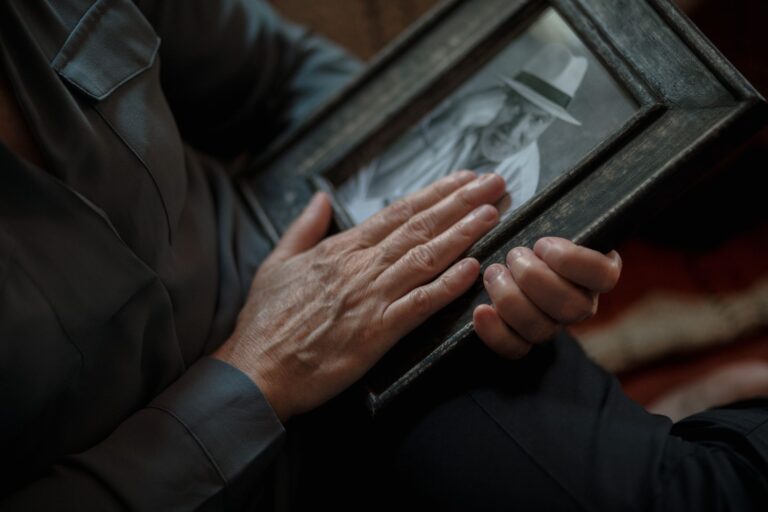
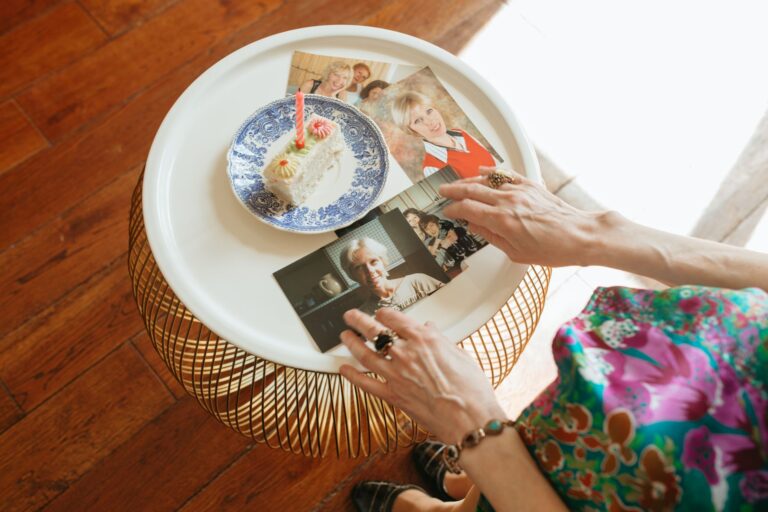
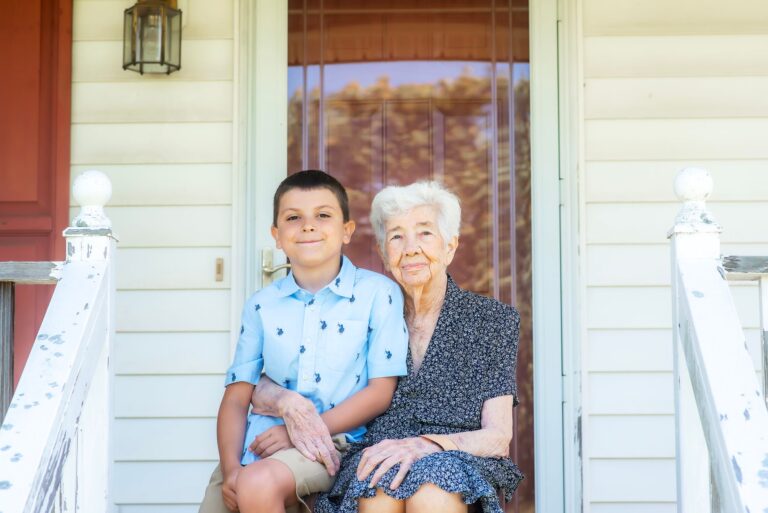
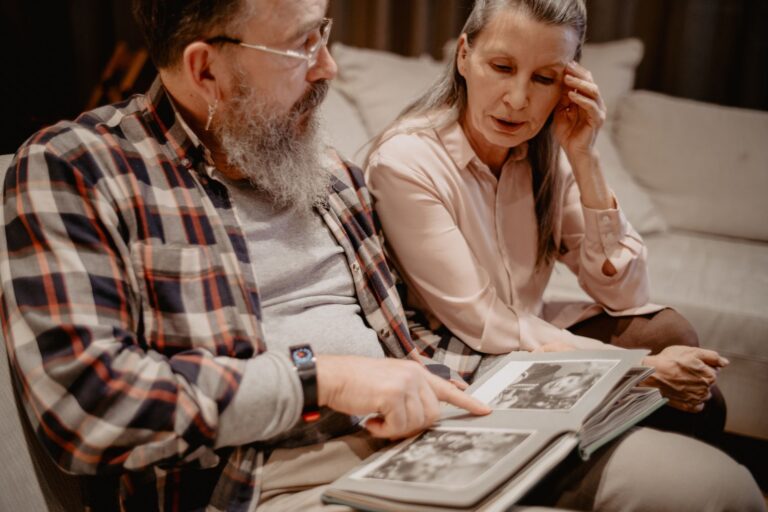
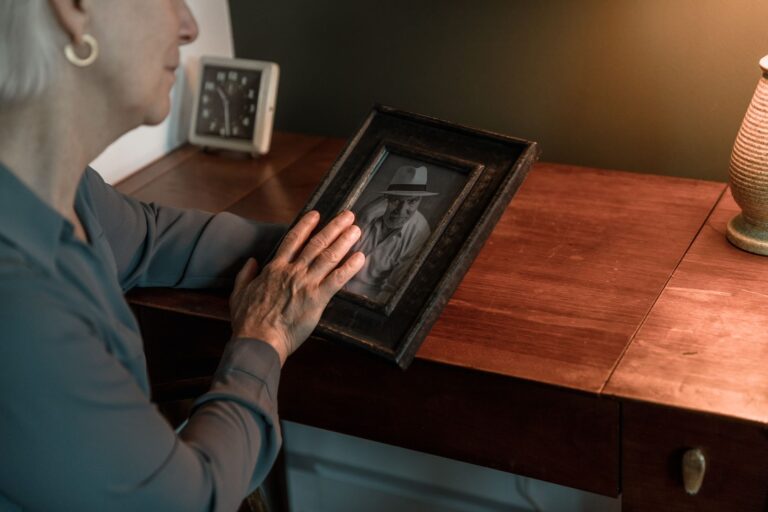
Reminiscence conversations are guided talks about past memories with another person, using photographs, music, or familiar objects to evoke memories and stimulate conversation. At home, engagement looks like smiling, eye contact, more talking or singing, and handling photos or objects, while distress looks like tearfulness, agitation, anger, withdrawal, unusual silence, or flashback-like reliving of trauma. For families, the task is to notice those signals early and steer the talk toward comfort. Small shifts in prompt, tone, and pace often decide whether the moment connects or hurts.
Medical information disclaimer: This article is for general educational purposes only and does not provide medical advice, diagnosis, or treatment. Always consult a physician or other qualified health professional about symptoms, medications, tests, or treatment decisions.
Table of Contents
- What these talks can and cannot do
- How engagement shows
- How distress shows
- What to do during and after a hard moment
What these talks can and cannot do
Reminiscence and life-story work can improve mood, cognitive ability, and well-being in mild-to-moderate dementia, according to the Iriss Insight review of life-story work Iriss Insight review of life-story work. Effects are weaker for severe dementia. These talks do not treat or slow dementia itself.
A 2018 Cochrane review of 22 randomized trials with 1,972 people with dementia found inconsistent, often small effects, as described in Porchlight's summary of the Cochrane evidence. Porchlight reports no important overall effect on quality of life, with probable slight benefit in care homes, for mood in one-to-one sessions, and for communication in groups. Treat reminiscence as comfort and connection, not therapy that changes the disease course.
How engagement shows
The Alzheimer's Association describes engagement as smiling, eye contact, increased talking or singing, and handling photos or objects. Joining in matters.
When caregivers encourage and join the activity, the person often discusses what they are creating or remembering. Watch for these live signs: Stay with prompts that bring these responses. Repeat the same song, photo, or object rather than rushing to something new.
- smiles, laughs, relaxed face, or sustained eye contact
- more speech, humming, or singing along
- reaching for, holding, sorting, or pointing at photos and objects
- adding details, asking questions, or showing what they made
How distress shows
Porchlight and Dementia Support Australia list distress signs as tearfulness or returning grief, anxiety or agitation, restlessness, anger, withdrawal or unusual silence, and flashback-like reliving of traumatic memories. A sudden stop in talk can matter as much as tears. Flat silence after a lively stretch often signals an internal shift.
Common triggers are painful life events, confusing prompts, and feeling tested. Avoid questions like "Do you remember?" Focus on feelings, not facts. Validate rather than correct errors, following Alzheimer's Association communication guidance.
What to do during and after a hard moment
If a prompt brings anxiety or distress, stop or change the activity rather than push for detail, according to Care Choices guidance on painful reminiscence moments. Care Choices advises never leaving the person on the hard note. Switch to a calming topic, familiar music, a walk, a drink, or quiet company.
Get same-day help from a nurse or clinician for talk of wanting to die or self-harm, abuse disclosure, intrusive re-experiencing, worsening depression or rumination, or acute distress that does not settle. Porchlight lists these as escalation signs. Write down what prompt came before the change and what helped it settle.