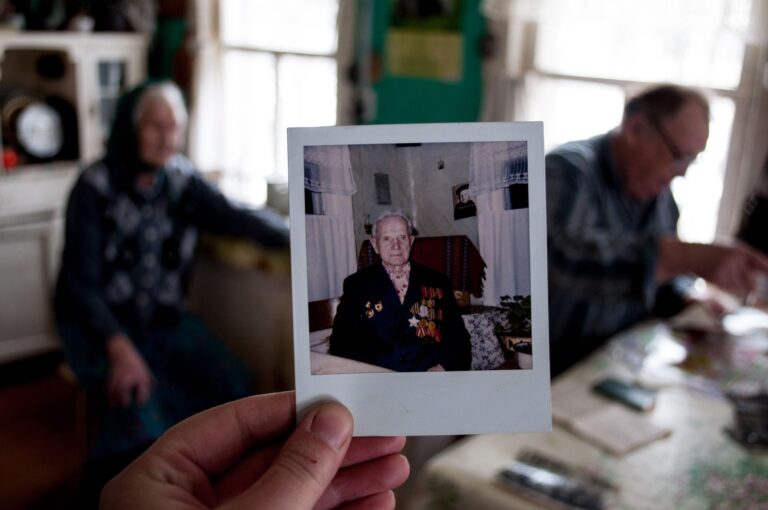
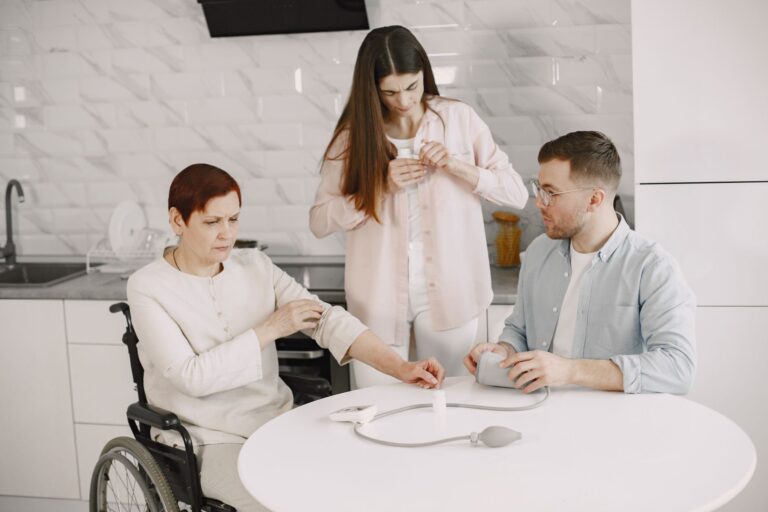
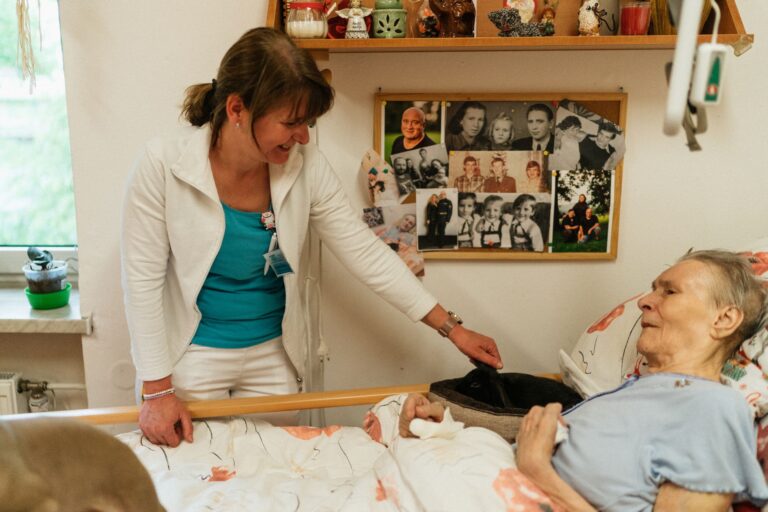
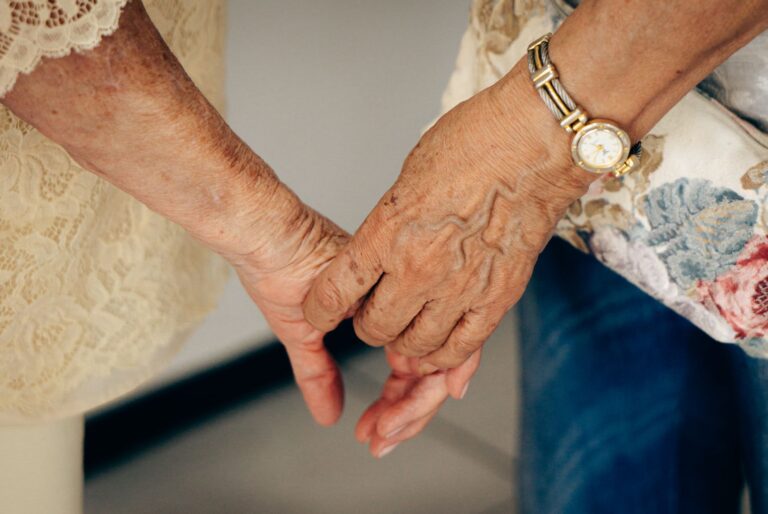
When interest in life story books changes, memory care groups can shift to music, art, movement, sensory activities, shared tasks, or conversation that fits members' current abilities. A life story book is a collection of personal memories and images; it should be one option, not the activity everyone must enjoy. The best replacement is the one that feels familiar, manageable, and socially comfortable for the people present that day.
Medical information disclaimer: This article is for general educational purposes only and does not provide medical advice, diagnosis, or treatment. Always consult a physician or other qualified health professional about symptoms, medications, tests, or treatment decisions.
Table of Contents
- Notice the reason interest changed
- Choose activities that match today's preferences
- Use group formats that do not rely on autobiography
- Make music and art easy to join
- Include movement, with the right safeguards
Notice the reason interest changed
A person may lose interest because the book is too demanding, the topic feels private, the group is too busy, or attention has simply run out. Reduced participation does not mean the person has nothing to contribute.
Look for practical signals: shorter attention, repeated refusal, visible frustration, or watching without joining. The Alzheimer's Association advises changing or stopping an activity when attention wanes or frustration rises, then simplifying it, offering more help, trying later, or allowing observation.
Choose activities that match today's preferences
NICE says dementia services should offer activities tailored to the person's preferences. Options include exercise, art, gardening, baking, music therapy, mindfulness, and animal-assisted therapy. NICE's activity guidance supports choosing from this wider menu rather than pressing on with autobiographical discussion.
For a group, start with a low-pressure invitation: play a familiar song and invite clapping, set out adult-level art materials, plant herbs, fold napkins for a shared table, or offer simple baking tasks. Someone who does not want to make an item can sort materials, choose colors, listen, or watch. Current preference matters as much as past hobbies. Staff and family can consider abilities, social interest, culture, and recreation preferences when planning meaningful activity, according to the Alzheimer's Association's care-home recommendations.
Use group formats that do not rely on autobiography
Group cognitive stimulation therapy is an option for people with mild-to-moderate dementia. NICE recommends it as a varied program of activities and discussion intended to support cognitive and social functioning, rather than depending on personal storytelling. NICE's dementia recommendations identify it as a group-based approach.
Other flexible formats include a themed music session, chair movement, a picture-based discussion, gentle games, or a shared practical task. Adult day centers serving people with dementia commonly use art and music therapy, games, and group exercise, illustrating how groups can move between creative, physical, and game-based activities. CDC's adult day services report documents these common program offerings.
Make music and art easy to join
Music can invite participation without requiring a person to find words or retrieve a detailed memory. Choose familiar, enjoyable music, reduce competing noise, and offer movement such as clapping or dancing if it feels welcome. Art works best when it remains adult and open-ended. Offer a small number of materials, begin the first step if needed, and value process over a finished product.
A person might choose a paint color, press a stamp, arrange collage pieces, or simply respond to another member's work. A systematic review found the strongest residential-care evidence for individualized recreational activities and preferred music. It also found that many studies were small and brief, and often combined activities with one-to-one contact, so a warm social connection may be part of what helps. The review in JBI Database of Systematic Reviews and Implementation Reports supports treating activity choice and human companionship as connected parts of care.
Include movement, with the right safeguards
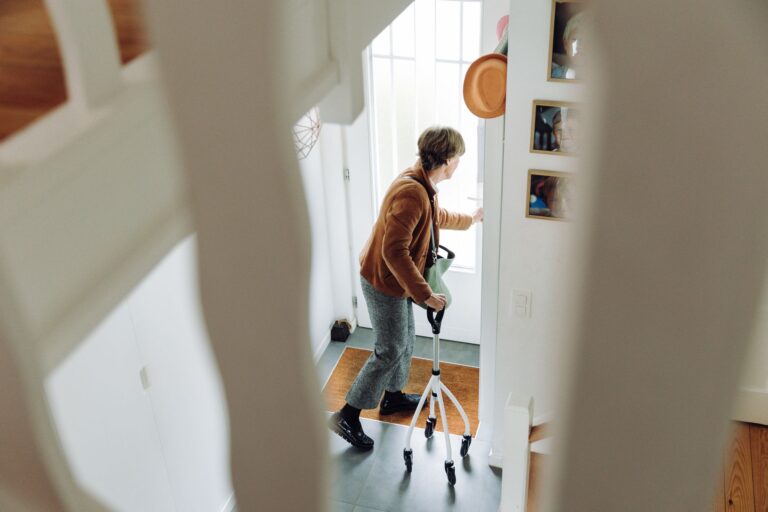
Movement can replace a seated discussion while supporting a sense of energy and belonging. Depending on the group, options may include a short walk, wheelchair rolling, seated yoga, water exercise, or resistance-band work.
Use a pace and activity that suit each person's health and mobility. CDC lists dementia among conditions that can benefit from regular physical activity and advises clinical or activity-specialist guidance on safe types and amounts. CDC's guidance on physical activity and chronic conditions.
- Offer seated and standing versions of the same movement.
- Keep directions brief and demonstrate each action.
- Pause for fatigue, pain, dizziness, or distress.
- Let people rest, observe, or rejoin later.