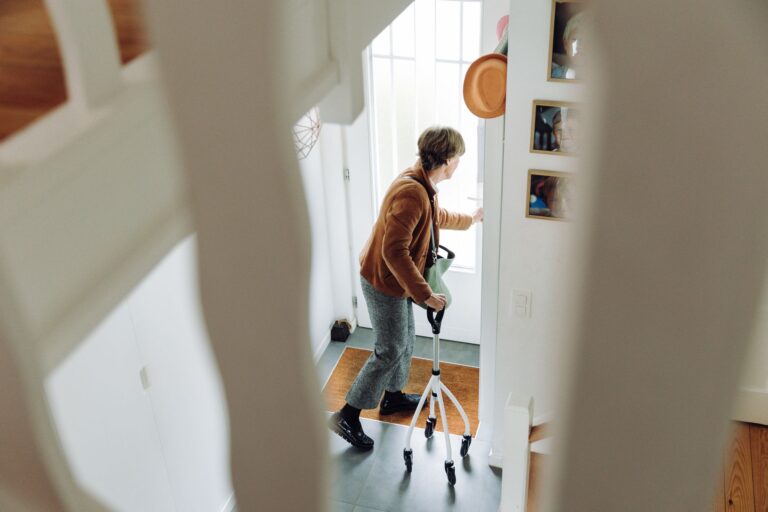
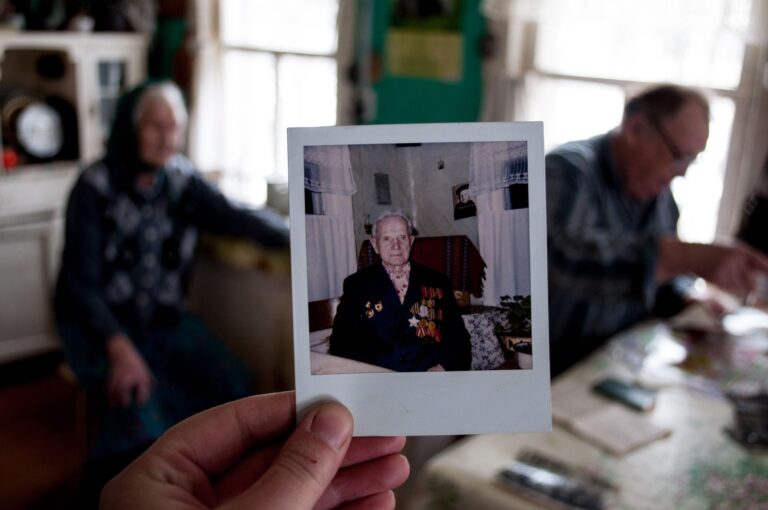
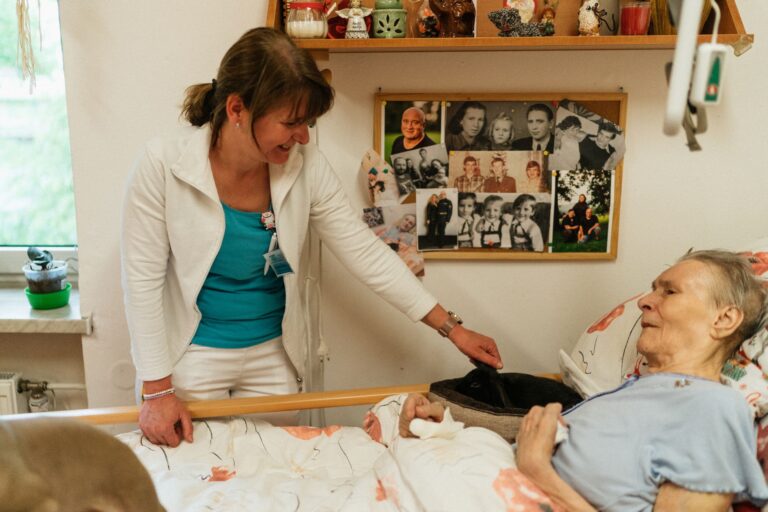
Step-by-step life story books give memory-care groups a gentle way to share personal experiences through photographs, keepsakes, captions, and conversation. A life-story book records a person's relationships, places, interests, values, and experiences in a book, album, folder, or digital format for family and care staff to use in person-centred conversation, according to Dementia UK. For a group, each participant can create an individual book while selected pages become shared prompts. The process works best through short, repeatable sessions that invite conversation rather than test memory.
Medical information disclaimer: This article is for general educational purposes only and does not provide medical advice, diagnosis, or treatment. Always consult a physician or other qualified health professional about symptoms, medications, tests, or treatment decisions.
Table of Contents
- What to include in a life-story book
- How to build the book step by step
- How to design pages that prompt conversation
- How memory-care groups can use the books
- How to keep the activity respectful and safe
- What life-story books can—and cannot—do
What to include in a life-story book
Start with materials that already carry personal meaning. The Alzheimer's Society Activities Handbook suggests photographs, postcards, letters, certificates, mementoes, drawings, music, and short stories.
Organize the material chronologically or by themes. Useful themes include: Let each person choose what belongs in the book. A meaningful page might show a wedding photograph, a former workplace, a favorite pastime, or a familiar place.
- Family and friends
- Work and school
- Hobbies and interests
- Holidays and homes
- Music, celebrations, and memorable events
How to build the book step by step
Plan several brief sessions instead of one long workshop. The 2023 PLOS ONE systematic review of reviews found that reviewed life-story interventions commonly used sessions of about 30–60 minutes across several meetings over weeks.
A simple sequence can keep the activity manageable: Treat the book as a living project. A person may contribute through speaking, pointing, choosing images, listening to music, or looking at completed pages.
- Session 1: Choose themes and gather materials.
- Session 2: Talk about one theme and select images.
- Session 3: Add captions, names, places, or short descriptions.
- Session 4: Review pages and decide what to share.
- Later sessions: Add, rearrange, or revisit pages.
How to design pages that prompt conversation
Keep each page simple. Dementia Australia recommends one topic with two or three images, along with captions that can prompt recognition without requiring the person to recall details unaided. For example, a page titled "Our Family Holidays" might include two holiday photographs and captions naming the place and people shown.
A "Working Life" page might pair a workplace photograph with the person's job title and a brief description. Captions can support conversation without turning the page into a quiz. Use prompts such as "Tell me about this place" or "This looks like your garden," and allow the person to respond in their own way.
How memory-care groups can use the books
A facilitator can invite each participant to share a selected page, or use pages as prompts for a broader theme such as music, work, childhood games, or holidays. The Alzheimer's Society explains that reminiscence can take place in groups and may support conversation and social interaction. Individual books help keep discussion personal, while shared themes can help members find connections.
One person's photograph of a garden may lead to conversation about gardening, seasons, neighborhood life, or favorite flowers. Participation should remain optional. A person may prefer to look quietly, contribute only one page, or revisit the same story repeatedly.
How to keep the activity respectful and safe
The goal is connection, not accurate recall. Invite participation without testing memory, accept repeated or inaccurate recollections, and follow the person's emotional response. Some photographs or subjects may bring painful memories.
The Alzheimer's Society Activities Handbook advises redirecting or stopping when a topic causes distress. A facilitator can close the book, change the subject, offer a different activity, or simply sit with the person. Ask permission before sharing personal pages with the group. Keep sensitive information private and let the participant decide which photographs, stories, or themes remain personal.
What life-story books can—and cannot—do
Life-story books may support autobiographical memory, mood, communication, identity, and social interaction. However, the 2023 review found positive findings alongside limited evidence and called for more robust research. Reminiscence therapy has shown small benefits for some dementia outcomes, but effects vary by format, setting, and whether sessions are individual or group-based, according to Cochrane.
A life-story book should therefore complement clinical care and activity programming. No single evidence-based standard sets the required topics, page count, memory order, or session protocol. Personalization and participant choice should guide the book from the first photograph to the final page.