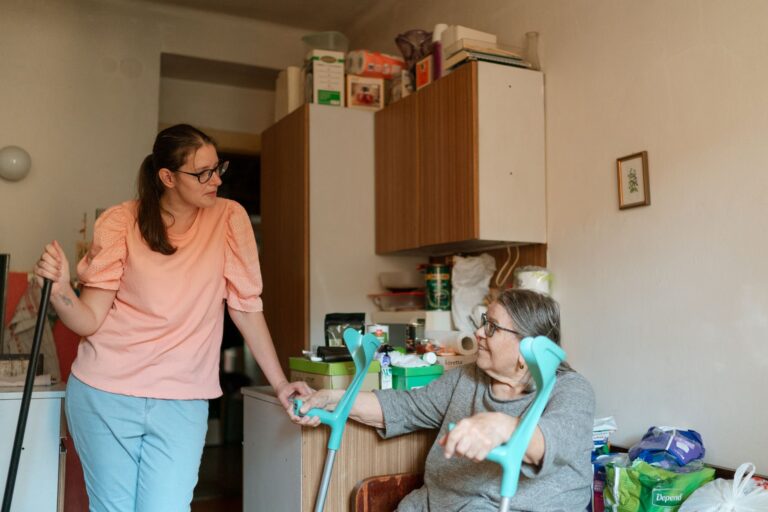
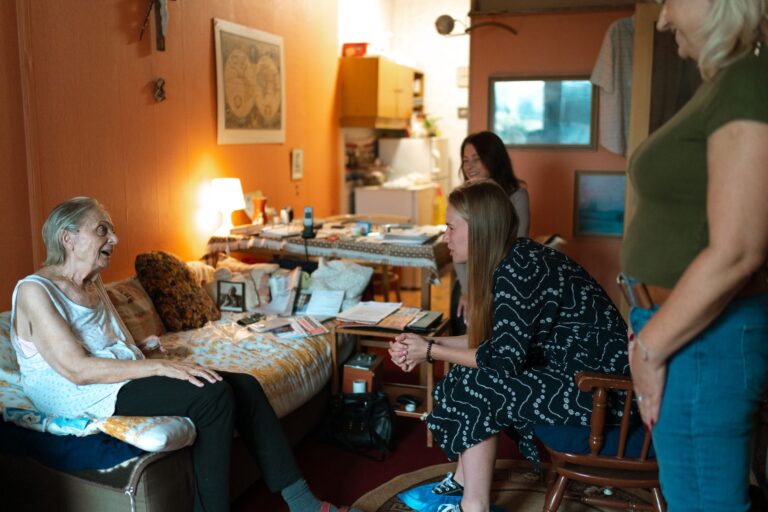
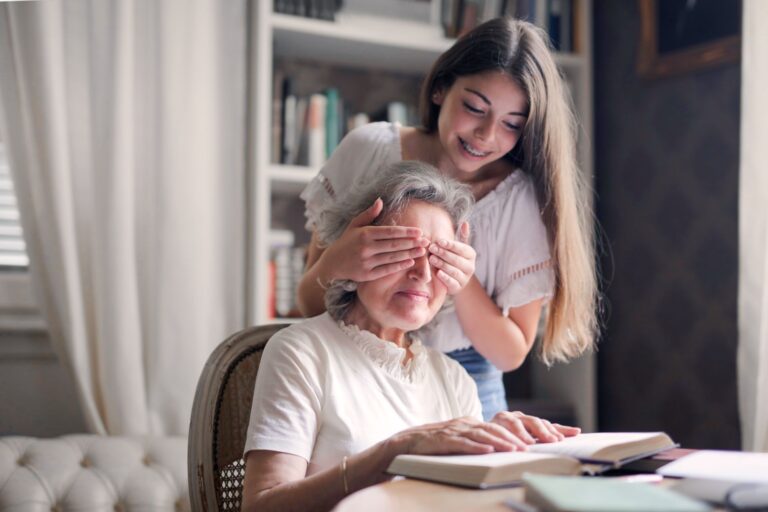
A one-on-one life-story book is a short personal book made with a person with dementia. You build it in private sessions, adding one topic, photo, or memory at a time.
According to the University of York, it covers past and present life plus future hopes and wishes University of York summary. The book keeps identity visible when words get hard. It gives carers clear starting points for talk and daily choices.
Medical information disclaimer: This article is for general educational purposes only and does not provide medical advice, diagnosis, or treatment. Always consult a physician or other qualified health professional about symptoms, medications, tests, or treatment decisions.
Table of Contents
- What goes in the book?
- How do you build it session by session?
- How do you keep sessions calm and respectful?
- What difference can it make?
What goes in the book?
Include childhood, home, work, family events, and daily routines. Add present life too: likes, music, food, comfort habits, and people who visit now. Close with hopes and wishes for care, such as quiet time or family contact.
Use photos, pictures, and short captions in the person's own words where you can. Leave blank pages for new notes, cards, or visit memories. Keep entries short so the person can enjoy each page without strain.
How do you build it session by session?
Dementia UK suggests starting with a flexible life-story template that you can shorten or lengthen and fill with photos and details Dementia UK guidance. Start with easy, pleasant topics and follow the person's lead. Let the person skip topics, change words, and choose what stays in.
- Choose a binder or folder and mark sections by life stage.
- Gather a few photos and ask about people, places, and events.
- Cover one page per talk and pause while attention stays fresh.
- Read pages back and correct wording together.
How do you keep sessions calm and respectful?
Ask before each session if now is a good time. Let the person decide what goes in and who may see it. Accept no as a full answer and try another day.
Watch for tiredness, tears, or tension and pause quickly. Shift to a safe topic, a song, a drink, or a short walk. Return to hard memories only if the person wants to, and go slowly.
What difference can it make?
A 2022 Journal of Clinical Medicine review of 22 trials with 1,972 participants links life-story work to better quality of life, cognition, communication, and possibly mood systematic review. The National Elf Service summary of the Cochrane and NICE evidence cautions that gains were small and varied by delivery and setting evidence summary.
Use the response you see to guide next sessions. Keep the book where carers can see it and bring it to visits and appointments.