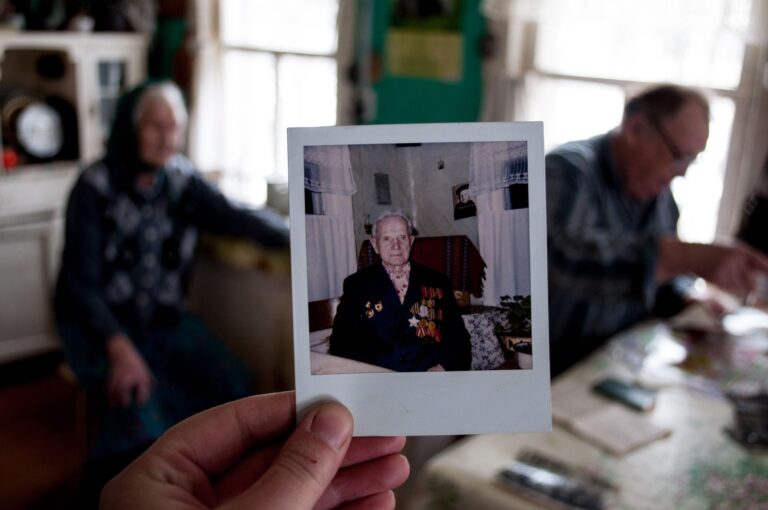
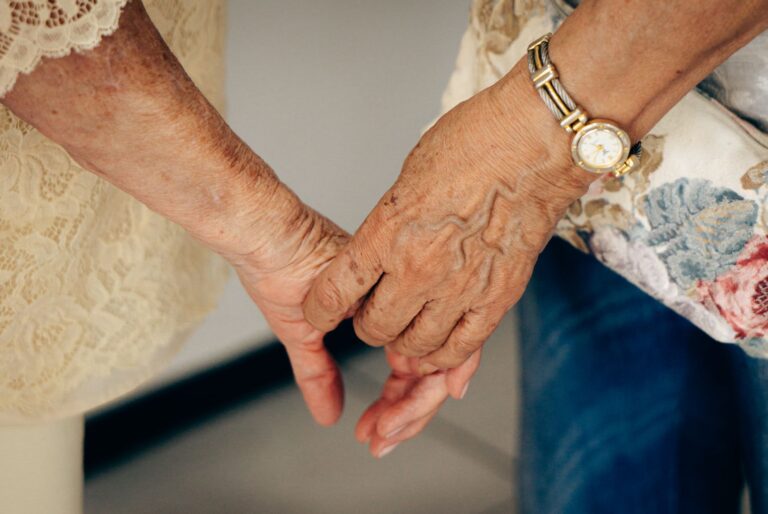
Offer life story books to memory care groups about once a week, especially when participants show interest in personal photographs, music, or familiar objects. Start with 30–60 minutes, but end sooner when attention, comfort, or engagement fades. A life story book is a personalized collection of photographs, captions, memories, and meaningful themes. It supports identity and conversation; it is not a test of factual recall.
Medical information disclaimer: This article is for general educational purposes only and does not provide medical advice, diagnosis, or treatment. Always consult a physician or other qualified health professional about symptoms, medications, tests, or treatment decisions.
Table of Contents
- Why weekly is a practical starting point
- Who should be offered a book
- How to run the group without testing memory
- What belongs in a life story book
- When to change or stop the schedule
Why weekly is a practical starting point
A 2023 review found no standard schedule across life-story interventions. Sessions ranged from daily to weekly and lasted 5–60 minutes, while structured programs commonly met weekly for 30–60 minutes over 6–12 meetings, according to the PLOS One systematic review of reviews. For a group, begin with one session each week.
This cadence gives participants repeated opportunities to engage without assuming that more frequent sessions produce greater benefit. Treat 30–60 minutes as a planning window, not a requirement. A participant who enjoys ten focused minutes has completed a worthwhile session; someone still engaged may continue longer.
Who should be offered a book
NICE advises considering group reminiscence therapy for people with mild-to-moderate dementia while tailoring wellbeing activities to individual preferences in its dementia care recommendations. Life-story work can also begin at other stages when staff adapt the pace, prompts, and materials. Offer participation rather than assigning it.
A person may want to show a book, listen to others, handle an object, or simply sit with the group. Consider a shorter session, a one-to-one approach, or a break when someone becomes tired, withdrawn, restless, embarrassed, or upset. A refusal on one day does not have to become a permanent decision.
How to run the group without testing memory
Give each participant access to their own book. Add photographs, familiar objects, music, or video when these help start a conversation.
Use open prompts that allow many kinds of responses: Avoid "Do you remember?" and questions with one expected answer. Accept repeated stories and accounts that differ from recorded facts unless an immediate safety issue requires correction. The aim is connection, expression, and social interaction—not proving that a memory is accurate.
- "What catches your eye in this picture?"
- "What does this music make you think or feel?"
- "Would you like to tell us about this place?"
- "Which page would you like to look at?"
What belongs in a life story book
Build the book around the participant's choices. Arrange it by time period or by themes such as family, work, celebrations, travel, music, hobbies, or favorite places. Use clear captions for names and locations.
Labels can reduce pressure when a participant recognizes a person or setting but cannot retrieve the word. Before sharing a page with the group, check whether its contents are suitable for that audience. Leave out private information and painful material the person would not want discussed. Revisit consent as the book changes or as the participant responds differently.
When to change or stop the schedule
Judge the schedule by observed enjoyment and participation, not by an assumed therapeutic dose. Cochrane found that group reminiscence probably provides small communication benefits, while results for quality of life, cognition, and mood varied by setting and delivery format in its review of 22 trials. After several meetings, review what happens before, during, and after each session.
Continue weekly when participants engage comfortably; shorten, space out, or individualize sessions when interest falls or distress appears. Do not continue frequent maintenance sessions automatically. The REMCARE randomized trial found no overall benefit from 12 weekly joint reminiscence groups followed by seven monthly sessions and detected increased carer anxiety.