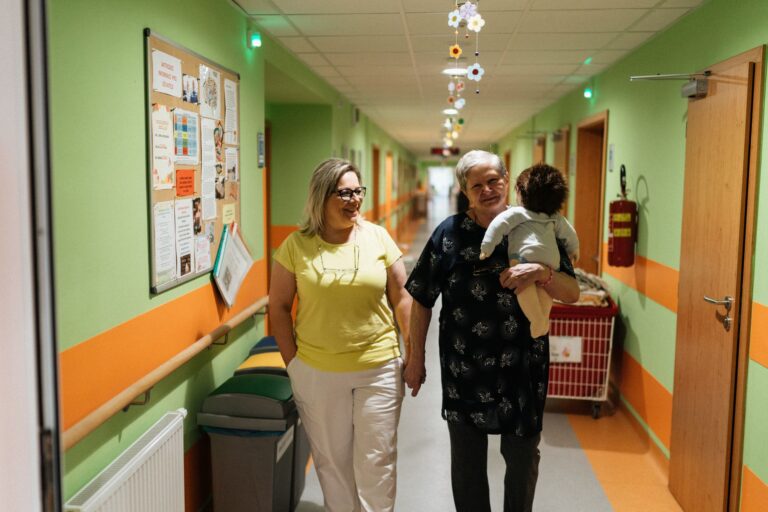
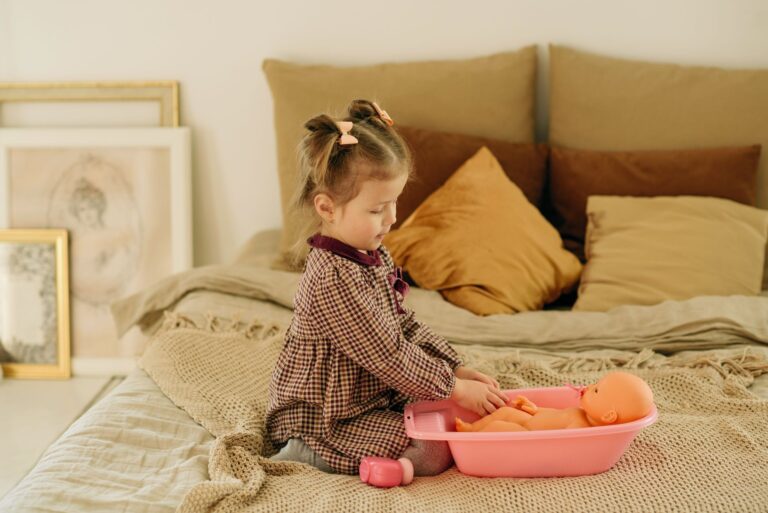
Doll therapy for one-on-one dementia care means having a person with dementia hold, dress, and interact with a realistic therapy doll designed to activate caregiving responses. According to research on therapeutic doll interventions from the National Center for Biotechnology Information, this non-pharmacological intervention significantly reduces behavioral symptoms like agitation and wandering in individuals with dementia when implemented as a structured daily activity tailored to the person's own beliefs and preferences about the doll. Adaptation for one-on-one settings differs from group care homes: you shape the timing, duration, and approach around one person's responsiveness rather than managing a standard protocol across multiple residents. The goal is to reduce distressing behaviors and improve emotional engagement through a form of interaction the person can still control and enjoy.
Medical information disclaimer: This article is for general educational purposes only and does not provide medical advice, diagnosis, or treatment. Always consult a physician or other qualified health professional about symptoms, medications, tests, or treatment decisions.
Table of Contents
- What Doll Therapy Actually Improves
- Structuring One-on-One Sessions
- The Person-Centered Adaptation (Critical)
- What Changes to Monitor
- How Doll Therapy Affects the Caregiver
- Starting Without a Specialized Doll
- Frequently Asked Questions
What Doll Therapy Actually Improves
Doll therapy's benefits are behavioral and emotional, not cognitive. A randomized controlled trial published by the National Center for Biotechnology Information demonstrated that doll therapy significantly reduced behavioral and psychological symptoms in people with dementia, measured by decreased Neuropsychiatric Inventory scores compared to control groups. However, research from the National Center for Biotechnology Information shows no improvements in cognitive function, activities of daily living, or overall quality-of-life scores, meaning the person's memory and functional abilities remain unchanged.
The intervention works by activating caregiving responses. According to the National Center for Biotechnology Information, even people in advanced dementia show increased eye contact, touch, and caregiving gestures when holding a therapy doll, suggesting they can express meaning and connection through nurturing even when other communication has been lost. This can mean less time spent managing crisis behaviors and more time for genuine interaction.
Structuring One-on-One Sessions
According to a research protocol from the National Center for Biotechnology Information, structured implementation typically involves up to one hour of daily sessions across 30 consecutive days, led by a caregiver or trained person who follows person-centered approaches. you don't need a rigid protocol—instead, observe what works for this specific person and adjust timing, doll type, or activity based on their engagement level. Some people may prefer shorter sessions; others may want to hold the doll intermittently throughout the day. Consistency matters more than perfection.
Daily exposure, even if brief, trains the brain to recognize the doll as something to nurture. If engagement drops after 20 minutes, that's the session length for that person. Track when responses are strongest—morning, afternoon, or evening—and plan sessions accordingly. The goal is creating a routine the person anticipates rather than one forced upon them.
The Person-Centered Adaptation (Critical)
According to Dementia UK, the doll should only be presented as a baby if the person genuinely believes it to be one; if someone shows no interest, the therapy should not be forced and can be retried another day. This is the most important adaptation step. Do not insist that someone accept the doll as real or override their perception. If they see it as a doll, they can still benefit from holding and caring for it—the caregiving response activates regardless of literal belief.
Watch for disinterest or distress as signs to pause. Offer the doll without expectation, and if they refuse, store it away and try again in a few days. Some people engage immediately; others warm up gradually. Some may interact only when you're not directly watching, which is perfectly valid. Let the person's own response guide the approach rather than forcing a standard presentation.
What Changes to Monitor
The National Center for Biotechnology Information research documents improvements in non-verbal communication, including increased eye contact, touch, caregiving gestures, and willingness to engage in social interaction. Track these behavioral shifts over the first week: Does agitation decrease during or after sessions? Is there less pacing or less resistance to care? Are conversations lengthening? Document responses in a simple log: date, duration, behavior during the session, any notable comments or gestures, and overall demeanor afterward.
This log helps you identify patterns—whether the person engages better with certain dolls, times, or caregiver approaches. It also provides objective evidence of improvement to share with healthcare providers or family members who may wonder if the intervention is worthwhile.
How Doll Therapy Affects the Caregiver
Doll therapy reduces professional caregiver burden and distress by decreasing time spent managing challenging behaviors, according to the National Center for Biotechnology Information. For family caregivers, this can mean fewer exhausting episodes of aggression, wandering, or distress during the day. The benefit is twofold: the person with dementia experiences calmer engagement, and you experience less crisis management.
However, doll therapy is not a replacement for other care or communication strategies. Use it alongside validation, reminiscence activities, and other approaches that work for this person. If you notice the person becoming emotionally attached to the doll to the point where separation becomes distressing, that's information—the doll has activated strong feelings, which is the goal, but you may need to adjust when and how the doll is introduced or removed.
Starting Without a Specialized Doll
While therapy dolls are designed with realistic features and weighted bodies to encourage nurturing, you can experiment with a simpler option first: a soft baby doll from a general retailer, weighted with rice in a cloth bag, or even a large stuffed animal resembling an infant. Observe whether the person shows caregiving responses—gentle touch, rocking, speaking softly, checking that the "baby" is comfortable.
If yes, a specialized therapy doll may deepen the effect. If no, they may not benefit from this intervention, and that's useful information too.
Frequently Asked Questions
What if the person refuses the doll?
Do not force it. Offer the doll without expectation, and if they refuse, try again another day. Some people warm up gradually; others may never engage, and that is valid feedback about what works for them.
How long before I see improvements?
Changes typically emerge gradually over the first week to 30 days of daily sessions. Track behavioral shifts like reduced agitation, decreased pacing, or more eye contact rather than expecting dramatic overnight change.
Does the person have to believe the doll is real?
No. They can benefit from caregiving gestures and emotional engagement even if they recognize it as a doll. The person-centered approach means respecting their own perception rather than insisting on a specific belief.