When residents in memory care groups lose interest in doll therapy, several evidence-based alternatives can sustain engagement and improve emotional wellbeing. Doll therapy's therapeutic mechanism remains poorly understood and long-term evidence is limited, making rotation among evidence-based interventions a sound clinical approach. Music, art, animal-assisted activities, reminiscence work, and sensory stimulation each offer distinct benefits—some addressing the same behavioral goals as doll therapy, others unlocking different pathways to connection and participation. Facilities can assess individual resident responses and shift strategies without losing therapeutic ground.
Medical information disclaimer: This article is for general educational purposes only and does not provide medical advice, diagnosis, or treatment. Always consult a physician or other qualified health professional about symptoms, medications, tests, or treatment decisions.
Table of Contents
- Why rotating approaches makes clinical sense
- Music therapy and reminiscence work reduce core symptoms
- Art and animal-assisted interventions build social connection
- Sensory and validation approaches address behavior shifts
- Assessing and personalizing the transition
- Frequently Asked Questions
Why rotating approaches makes clinical sense
Doll therapy reduces behavioral symptoms in controlled settings, yet empirical evidence supporting sustained long-term engagement is limited. Residents who engage meaningfully with one intervention may lose interest over weeks or months, especially if their
Cognitive Rehabilitation in Dementia: Which Goal Is Being Addressed?”>cognitive
Music therapy and reminiscence work reduce core symptoms
Group music therapy with singing significantly improves quality of life and positive affect while decreasing agitation and anxiety, with 63.2% of participants experiencing reduced agitation. Singing and listening activate memory, social connection, and emotional expression simultaneously—often in ways doll therapy does not.
Group reminiscence therapy, which uses photos, music, and meaningful objects to encourage memory recall, effectively reduces depressive symptoms and behavioral disturbances while improving psychological wellbeing. This approach works because it anchors conversation and feeling in the resident's own life story, creating natural engagement that does not depend on sustained interest in a single prop.
Art and animal-assisted interventions build social connection
Art-based group interventions—including painting, drawing, pottery, and dance movement—improve cognition, reduce depression and loneliness, and promote social engagement and emotional connection. Art requires active participation and expression rather than passive holding, often sustaining attention longer than object-focused activities.
Animal-assisted therapy with dogs reduces aggression, agitation, and verbal outbursts while improving communication skills, social interaction, and quality of life. Unlike doll therapy, live animals elicit spontaneous engagement and reciprocal interaction—residents respond to living presence, which can motivate participation residents might refuse with objects alone.
Sensory and validation approaches address behavior shifts
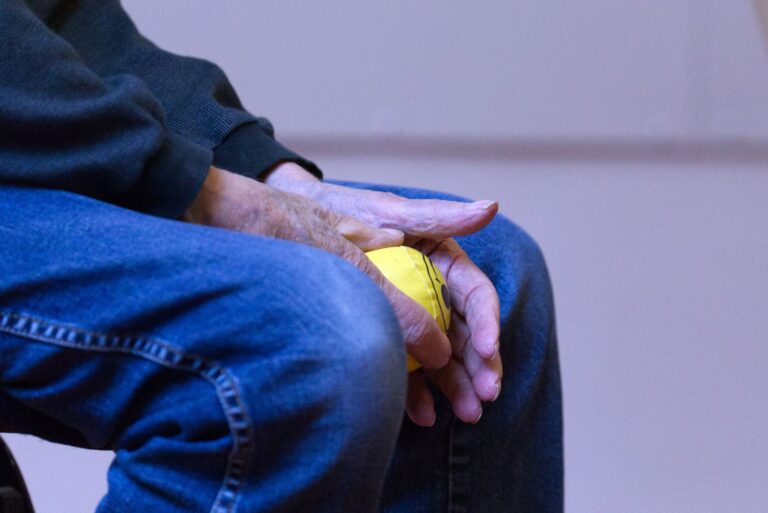
Multisensory stimulation activities—using massage, aromatherapy, textured objects, music, and controlled sensory environments—enhance mood, increase socialization, and improve cognitive functioning. These approaches work when residents become resistant to structured activity or when agitation or anxiety rises; they calm and regulate without requiring cognitive engagement.
Validation therapy, a communication-centered approach emphasizing empathy and respect for residents' feelings over facts, reduces aggressive behavior, increases positive affect and communication, and lowers psychotropic medication use. This technique is especially valuable when behavioral disturbances make traditional group activities difficult—it shifts focus from activity to relationship.
Assessing and personalizing the transition
Occupational therapy tailored to individual abilities and interests helps dementia residents maintain independence and meaningful activity engagement when shifting away from single-modality interventions. Before rotating to a new approach, care staff can observe which activities currently capture attention, which generate positive emotional responses, and which suit the resident's current physical abilities. A practical transition sequence: Track which residents have lost engagement with doll therapy (frequency of use, duration of hold, emotional response).
Offer a brief trial of one alternative—music, reminiscence, or art—based on the resident's past interests. Monitor for reduced agitation, increased communication, or longer participation duration over one to two weeks. Rotate to another approach if the first one plateaus rather than abandoning activity engagement altogether.
Frequently Asked Questions
Does switching activities disrupt residents who are used to doll therapy?
No. Gradual introduction of alternatives, rather than abrupt removal of doll therapy, allows residents to adjust. Continued access to familiar objects while exploring new activities typically eases transition.
Which alternative works best for residents with severe agitation?
Multisensory stimulation and validation therapy are most effective for high-agitation residents, as they regulate nervous system response without requiring cognitive participation in structured group activity.
How often should memory care programs rotate activities?
There is no fixed schedule. Rotate when engagement visibly declines—participation duration shortens, emotional response flattens, or behavioral disturbances increase—rather than on a calendar. Some residents sustain interest in one activity for months.