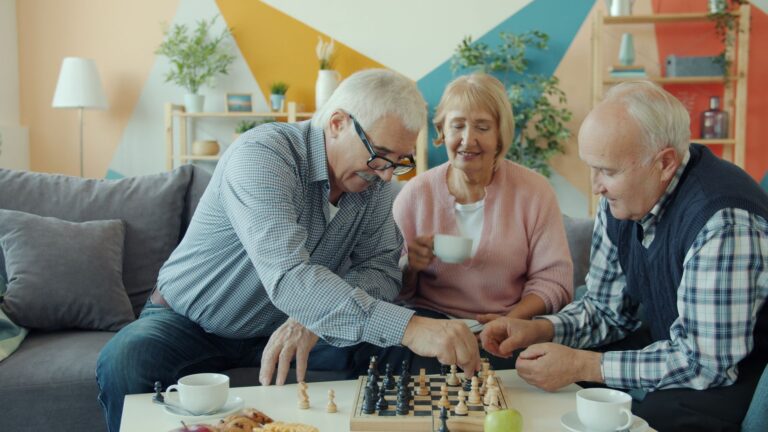
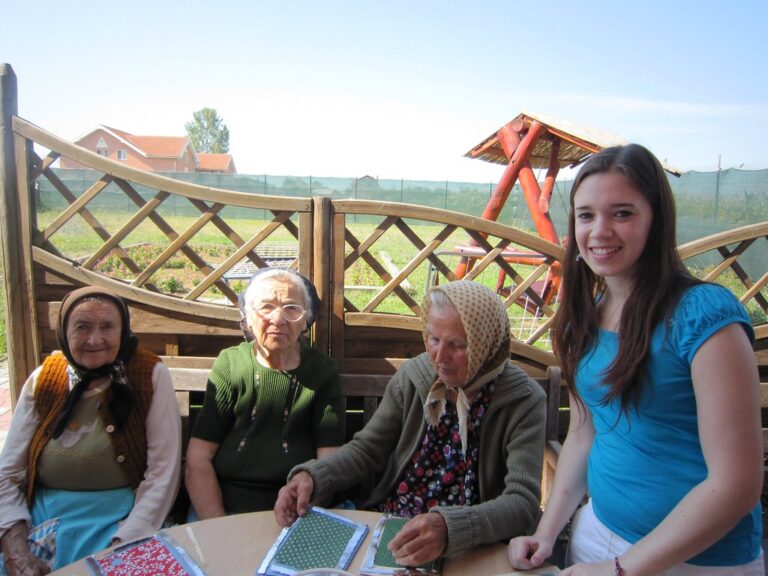
Simple jigsaw puzzles for dementia should match the person's current abilities, interests, and response—not a fixed piece-count rule. A "simple" puzzle usually means one with fewer, larger, easier-to-handle pieces and a familiar image. The goal also changes by stage. Early on, the puzzle may remain a favorite hobby; later, success may mean handling pieces, looking at colors, or sharing a calm activity rather than finishing the picture.
Medical information disclaimer: This article is for general educational purposes only and does not provide medical advice, diagnosis, or treatment. Always consult a physician or other qualified health professional about symptoms, medications, tests, or treatment decisions.
Table of Contents
- How should you choose a puzzle?
- What works in early dementia?
- How do you simplify a puzzle in middle-stage dementia?
- What changes as dexterity and concentration decline?
- When should the goal shift from completion to enjoyment?
How should you choose a puzzle?
Start with the person, not the diagnosis. dementia organizations recommend matching activities to current abilities and interests, so a familiar subject may work better than a puzzle marketed for a particular stage. The Alzheimer's Association recommends this individualized approach rather than a clinical piece-count rule.
Alzheimer's Association guidance on activities Choose the least complicated format that still feels meaningful. Consider: Piece count is only a starting point. A person may manage a larger puzzle with support one day and need a much simpler activity the next.
- A familiar image, such as animals, gardens, vehicles, or a favorite place
- Fewer pieces if the person loses track of the picture
- Larger pieces if small pieces are difficult to see or handle
- A stable board so the puzzle can be moved or stored
- A picture guide or image printed beneath the pieces
What works in early dementia?
In early dementia, continue a familiar puzzle hobby when the person still enjoys it. The Alzheimer's Association notes that people may withdraw from activities they previously liked, so a gentle invitation and modest adjustment can help maintain engagement. Alzheimer's Association activity guidance Keep the activity recognizable. Use the person's usual style of puzzle, but reduce the number of pieces, improve the lighting, or sort pieces before starting.
Sitting nearby can provide encouragement without taking over. Avoid turning the session into a test. Let the person choose the image, take breaks, and decide when to stop. Enjoyment and participation matter more than completing the puzzle quickly.
How do you simplify a puzzle in middle-stage dementia?
Middle-stage dementia often calls for a more structured activity. Present one step at a time, demonstrate how to begin, and help with difficult sections rather than giving several instructions at once. The Alzheimer's Association recommends modifying or stopping the activity if attention fades or frustration rises.
Alzheimer's Association guidance for dementia activities A practical setup might look like this: The Alzheimer's Society's *Activities Handbook* suggests sorting pieces by similar color and using magnetic pieces or a picture-backed board showing the finished image. Alzheimer's Society, *The Activities Handbook* If the person cannot follow the full puzzle, keep one part of the activity. Sorting, matching, touching, or naming colors may be enough for that session.
- Place only a small group of pieces on the table
- Sort pieces by similar color or pattern
- Show the finished picture while working
- Begin with an obvious edge or matching section
- Offer one piece or one choice at a time
What changes as dexterity and concentration decline?
As handling objects becomes harder, larger pieces can make the activity more accessible. The Alzheimer's Society reported that puzzle pieces may become too small for some people with dementia and described options ranging from 13 to 100 pieces. Alzheimer's Society puzzle guidance Use a larger-piece puzzle when the person struggles to pick up, turn, or place standard pieces.
A magnetic design or a board with the finished image can reduce the need to hold pieces precisely. The person's response should guide the next change, not the stage label. The Alzheimer's Society recommends options such as shorter sessions, removing scoring or pressure, trying a team format, or using larger pieces when handling objects becomes difficult. Alzheimer's Society ideas for enjoying games.
When should the goal shift from completion to enjoyment?
In later-stage dementia, completing a jigsaw may no longer be the right objective. The Alzheimer's Society explains that memory, concentration, mobility, and speech may all be affected, so the activity can shift toward sensory engagement and enjoyment. Alzheimer's Society guidance on later-stage activities Offer a few large, clearly different pieces, a familiar picture, or a board that allows simple touching and placement. Sit with the person, follow their pace, and treat looking, holding, matching, or sharing the moment as valid participation.
Puzzles are not proven to prevent or slow dementia. The Alzheimer's Society reports that brain-training benefits tend to be specific to the practiced task, while strong long-term evidence for dementia prevention is lacking. Alzheimer's Society information on brain training Research supports tailoring meaningful activities more strongly than choosing one particular jigsaw format. In a randomized trial of 250 caregiver-person-with-dementia pairs, an individualized activity program improved caregiver wellbeing and reduced help needed with daily activities after three months, but it did not reduce agitation or aggression. BMC Geriatrics study indexed by PubMed.