Yes, joy is possible during a grandchild's visit to someone with advanced Alzheimer's disease, even though your relative may not remember the visit afterward. Research shows that emotional attachment and positive feelings persist in severe dementia, independent of memory or language capacity.
The reason this matters is biological, not sentimental. Brain areas that store emotional memory and procedural responses—learned associations, feelings, and reactions—remain intact longer than the parts responsible for forming new memories or using language. This means a visit can create genuine moments of comfort, pleasure, or connection, even when your loved one cannot consciously process who you are or recall you left.
Medical information disclaimer: This article is for general educational purposes only and does not provide medical advice, diagnosis, or treatment. Always consult a physician or other qualified health professional about symptoms, medications, tests, or treatment decisions.
Table of Contents
- How Emotion Survives Memory Loss
- What Family Visits Actually Change
- The Reciprocal Connection
- Creating Moments of Joy
- The Visitor's Emotional State Matters More Than You Think
- Realistic Expectations
- Frequently Asked Questions
How Emotion Survives Memory Loss
In Alzheimer's disease, the ability to form new memories is often the first casualty, but the capacity to feel emotion is remarkably durable. Research documents that people with severe cognitive impairment demonstrate measurable positive emotions during visits from grandchildren, suggesting the emotional brain operates independently of the memory-making brain.
This happens because procedural memory—your emotional associations and learned responses—persists until severe dementia stages, while declarative memory (facts, events, names) disappears first. Your grandmother may not recall your name or that you visited yesterday, but her brain still recognizes the warmth in your voice, the comfort of your hand, and the safety of your presence. These are emotional signals, not conscious memories.
What Family Visits Actually Change
Family visits produce immediate, measurable changes in behavior. Research found that agitation in dementia residents decreased markedly during family visits but returned to baseline within 30 minutes after visitors left, showing the visit creates real benefits in the present moment even if no lasting memory forms. This temporary shift is not trivial.
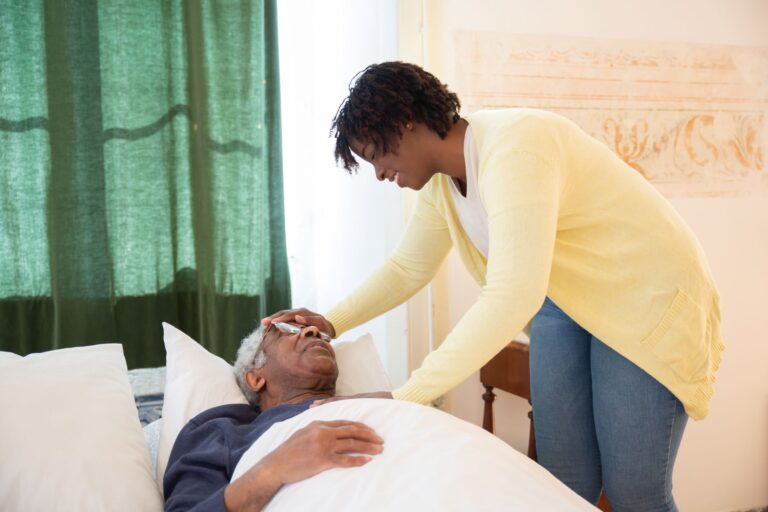
During the visit, your loved one experiences less distress, fewer behavioral disruptions, and measurable calm. The reason is biological: social engagement triggers dopamine and serotonin release—neurochemicals directly associated with reduced stress and improved well-being—regardless of memory capacity. The benefit exists in real time, not because of what will be remembered afterward.
The Reciprocal Connection
Despite severe cognitive decline, people with advanced dementia retain awareness beyond their tested cognitive levels and reciprocate family members' emotional cues—positive communication prompts visible positive responses. Your emotional tone and presence are not wasted on someone who cannot remember; they shape the actual experience happening right now. Additionally, emotion recognition abilities persist across Alzheimer's stages in many patients, meaning your grandmother likely perceives whether you are calm, anxious, sad, or genuinely present.
This emotional mirroring is real communication. When you arrive centered and warm, she experiences that directly. This is why your internal state during the visit matters as much as the visit itself.
Creating Moments of Joy
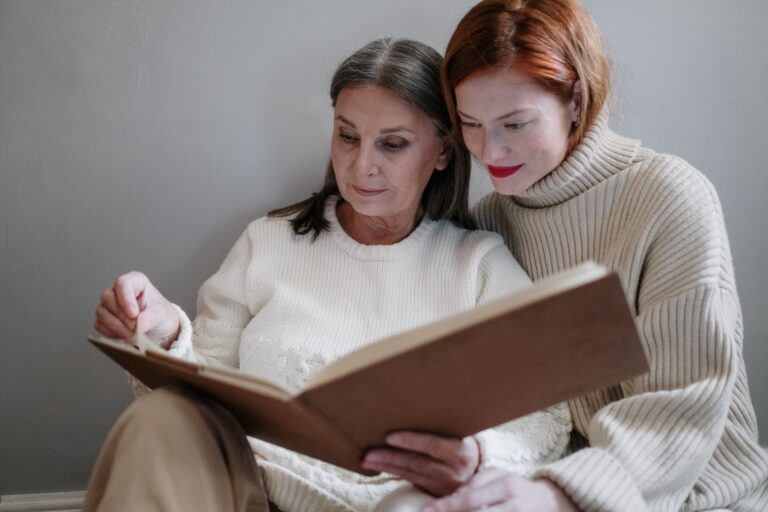
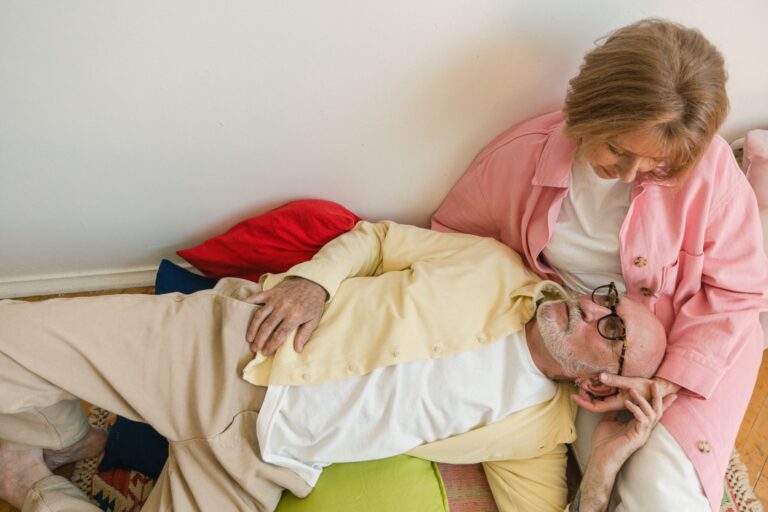
Specific practices reliably create moments of pleasure. Research confirms that joy in late-stage Alzheimer's emerges through one-on-one presence, holding hands, listening to music together, and activities that were meaningful to the person before illness. These are not distractions; they are direct engagement with what her brain can still process. Focus on sensory experience and emotional tone over cognitive tasks. Hold hands.
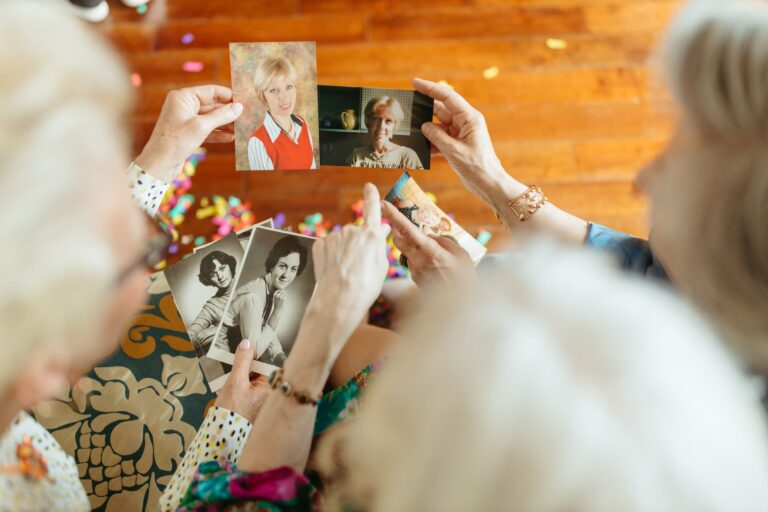
Play a song she loved. Sit quietly together. Bring a simple food she enjoys. Speak in a calm, warm tone. These are not "nothing"—they trigger the emotional and procedural memory systems that remain active. You do not need conversation, storytelling, or memory sharing to create a meaningful visit.
The Visitor's Emotional State Matters More Than You Think
Research shows that 70% of family visitors report visits as pleasant, but visitors' own emotional experience and tone directly correlate with whether patient agitation decreased or increased. Your anxiety, sadness, or reluctance will be perceived and will likely increase your loved one's agitation, while your calm presence reduces it.
This is not about "faking it." It means honoring what the visit actually is: a present-moment connection, not a memory-making event or an opportunity to have a conversation you wish you could have. When you can arrive with acceptance of what is possible now, your relative experiences genuine benefit.
Realistic Expectations
The limits are real: your loved one will not remember you were there. Tomorrow, there will be no recall of the visit, the conversation, or the shared moment. This can feel heartbreaking and can lead families to minimize or stop visits, but this interpretation misses what research actually shows.
The visit changes today—reducing distress, triggering well-being, providing comfort in the present moment—even though it does not build lasting memory. This is still a meaningful gift, both to your relative and to yourself. The measure of success is not memory but presence: did she feel less alone during this hour? Was there a moment of calm, pleasure, or connection? That is what a visit accomplishes.
Frequently Asked Questions
If my relative won't remember my visit, what's the point?
The point is the present moment. During the visit, agitation decreases and stress-reducing neurochemicals are released, creating real comfort and well-being right now, even if no memory persists. The benefit to your relative is immediate, and the connection you experience is real.
What if my relative doesn't recognize me?
Recognition by name is not required for emotional connection. Your relative can perceive your emotional tone, feel your presence, and respond to your calm or anxiety without consciously knowing who you are. Emotional communication persists across all stages of dementia.
How long should visits be?
Research does not specify ideal visit length. Watch for signs of fatigue, overstimulation, or discomfort, and let those guide the visit's end rather than a fixed time. Some people benefit from shorter, more frequent visits; others do better with longer, less frequent ones. Observe what reduces agitation and increases calm in your relative.
Should I try to remind my relative who I am?
Correction and reminding often increase frustration and agitation. Instead, build connection through presence, tone, and familiar activities. If your relative asks who you are, you can answer simply and then return to shared activity. The goal is connection, not cognitive correction.