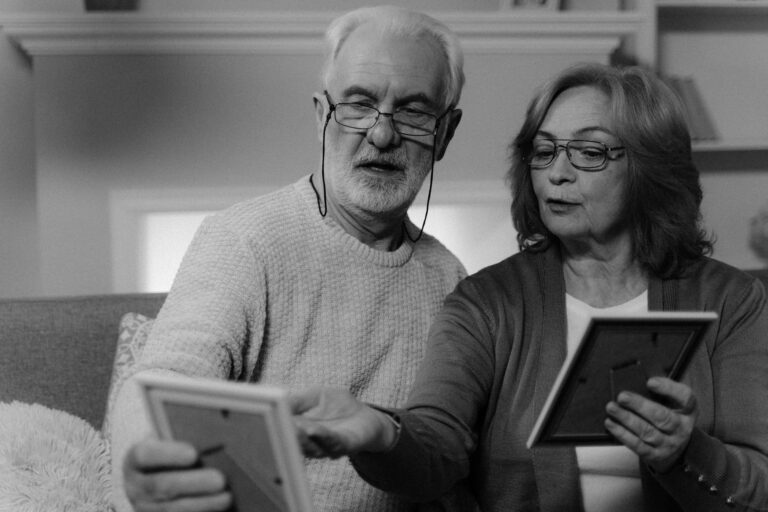
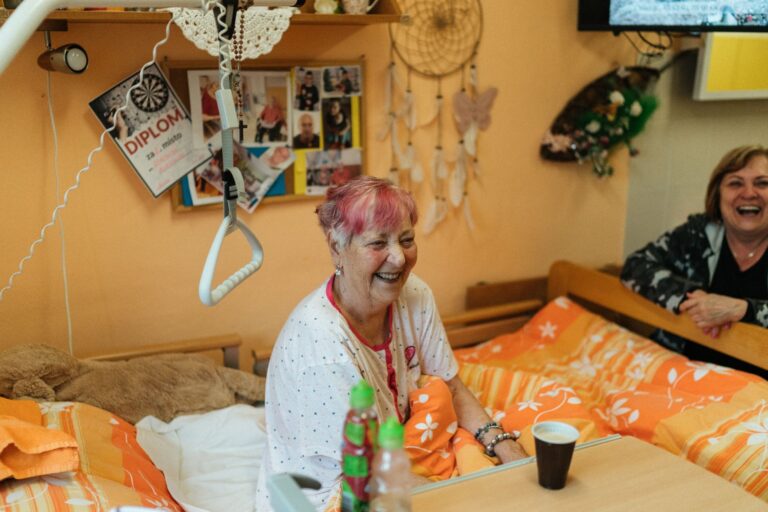
People with dementia can form and maintain meaningful friendships despite cognitive changes—and these relationships significantly protect brain health. Creating space for these connections requires understanding what dementia does to social capacity while recognizing what remains intact.
Social connection matters measurably. The National Institutes of Health reports that people with small social networks show a 42% increased risk of cognitive decline, while research in the Alzheimer's & Dementia Journal found that loneliness correlates with measurably lower cognitive scores throughout disease progression. This means every genuine moment of connection—a visit, phone call, or shared activity—contributes directly to cognitive resilience.
Medical information disclaimer: This article is for general educational purposes only and does not provide medical advice, diagnosis, or treatment. Always consult a physician or other qualified health professional about symptoms, medications, tests, or treatment decisions.
Table of Contents
- Can People with Dementia Still Form Connections?
- What Happens to Connection and Memory in Dementia
- Practical Ways to Create Meaningful Connection
- Supporting Yourself While Staying Connected
- When Reconnection Matters Most
- Frequently Asked Questions
Can People with Dementia Still Form Connections?
Yes. Research shows that people with dementia form meaningful friendships through participation and shared meaning-making despite cognitive limitations. This contradicts the common fear that dementia erases a person's ability to relate to others.
What changes is not the capacity for connection but how it works. memory loss may mean they don't retain facts about your last visit, but the emotional safety and familiarity you create can remain. Someone with dementia may not remember your name but can recognize warmth, humor, patience, or frustration in your tone and presence.
What Happens to Connection and Memory in Dementia
Dementia affects different types of memory and social awareness at different rates. Immediate recognition may fade, but procedural memory—how to laugh, how to listen, the feeling of being cared for—often persists longer. Meaningful engagement built on remaining strengths can preserve a sense of connection even when conversation becomes difficult.
Treating dementia patients as socially active and relationship-focused preserves their connectedness capacity. This means assuming the person still wants and benefits from friendship, not withdrawing because they won't "remember" the visit. The goal shifts from reminiscence ("remember when we…") to presence ("I'm here with you now").
Practical Ways to Create Meaningful Connection
Build around shared interests and sensory experience rather than memory: According to Penn State Extension, meaningful engagement activities built on remaining strengths improve psychological and emotional wellbeing while preserving sense of purpose and dignity. This isn't about forcing conversation or demanding recognition; it's about showing up as yourself and letting connection happen at the pace they can manage.
- Use music, art, or activities they once enjoyed—these often survive memory loss better than conversation
- Choose familiar settings where they feel secure, or change the environment if current spaces feel overwhelming
- Keep visits shorter but consistent; predictability builds comfort
- Engage their remaining strengths—if they love to help, find tasks (folding, arranging, sorting)
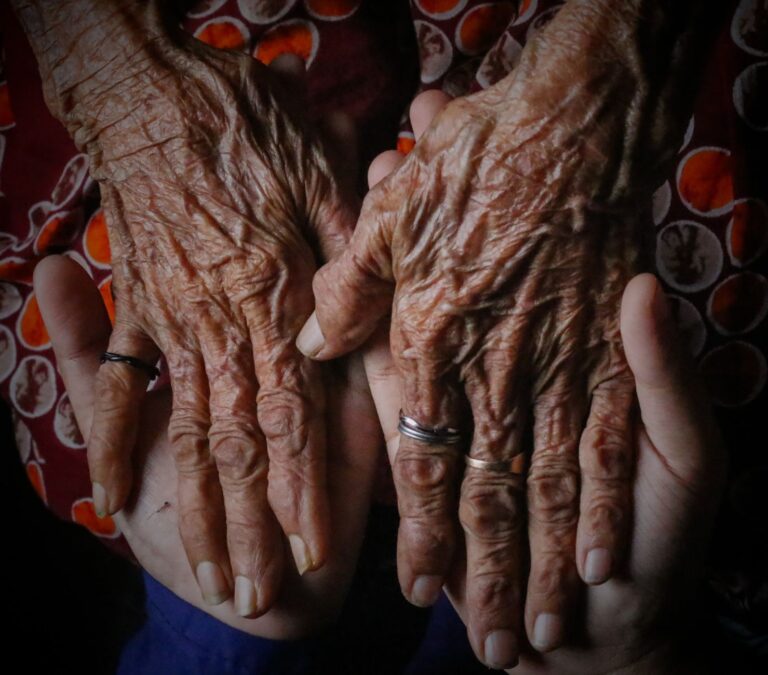
- Use touch appropriately—a hand held during conversation can anchor attention and convey presence
Supporting Yourself While Staying Connected
The emotional cost of connection during dementia can be high. Grief, frustration, and exhaustion are normal responses to repeated explanations or apparent non-recognition. Your wellbeing matters because it directly affects your capacity to show up genuinely for the person with dementia.
Maintain your own friendships outside the caregiving role. This isn't selfish—it protects both your wellbeing and your ability to provide the patience and warmth that make connection possible. A caregiver running on empty cannot be fully present, and the person with dementia feels that absence.
When Reconnection Matters Most
According to the National Institutes of Health, closer emotional relationships between caregivers and dementia patients predict better cognitive outcomes for patients and substantially lower informal care costs. People with dementia whose relationships remain strong show better cognitive resilience, fewer behavioral issues, and lower rates of institutional care.
If you've been distant from someone who now has dementia, it's not too late to reconnect. The relationship doesn't have to match what it was. What matters is honest, patient presence—showing up without expectation of recognition, knowing that your presence itself is protective and meaningful.
Frequently Asked Questions
Will they remember I visited?
They may not retain facts about the visit, but the emotional experience of feeling cared for typically remains. What matters is not whether they remember you left, but that they felt safe and valued while you were there.
What if they don't recognize me?
Non-recognition is common and not personal. Introduce yourself gently, watch for emotional cues rather than expecting verbal acknowledgment, and focus on the present moment rather than the past relationship.
How often should I visit?
Consistency matters more than frequency. Regular, predictable contact—even if shorter—builds more sense of security than occasional long visits.