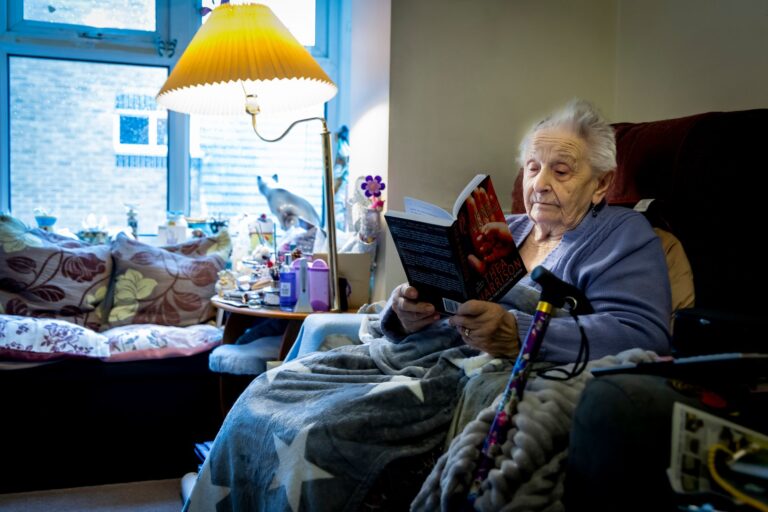
Folding clean, simple laundry side by side can create a low-pressure opening for connection in dementia care. The goal is shared attention and comfortable participation, not perfectly folded clothes. Dementia is cognitive decline severe enough to interfere with daily life; it is not normal aging. Folding laundry is an everyday, non-drug activity—not a treatment, therapy, or test of ability.
Medical information disclaimer: This article is for general educational purposes only and does not provide medical advice, diagnosis, or treatment. Always consult a physician or other qualified health professional about symptoms, medications, tests, or treatment decisions.
Table of Contents
- Why can a simple task feel connecting?
- How should you set up the activity?
- How can you support participation without testing?
- What counts as success—and when should you stop?
- What does the evidence actually support?
Why can a simple task feel connecting?
Laundry offers something to do together when conversation feels difficult. The familiar motions can reduce pressure to find the right words, while sitting side by side allows conversation, quiet companionship, or observation. The National Institute on Aging includes sorting socks and folding laundry among household activities a person with Alzheimer's may enjoy.
Enjoyment depends on the person's current abilities, interests, and comfort. Evidence about connection is indirect. In a crossover trial involving 20 nursing-home residents and family carers, Montessori-style shared activities increased resident engagement, positive affect, and carer satisfaction compared with newspaper reading, according to research published in International Psychogeriatrics. The study examined varied activities, not laundry specifically.
How should you set up the activity?
Choose clean, uncomplicated items such as washcloths, hand towels, pillowcases, or socks. Place only a few within easy reach.
A large basket or mixed pile may turn an invitation into a demanding job. Keep the setup simple: The person does not need to complete the entire load. A few minutes of folding, matching two socks, handing over towels, or watching may be enough.
- Sit beside the person instead of standing over them.
- Begin folding one item where they can see you.
- Offer one familiar item at a time.
- Use short prompts, such as "Would you fold this towel with me?"
- Remove items that create confusion or frustration.
How can you support participation without testing?
Help the person begin rather than asking them to remember every step. Demonstrate one fold, place an item in their hands, or start the motion together if they welcome that help.
Offer roles that match current ability: Avoid correcting harmless differences or quietly refolding each item in front of the person. Those responses can shift attention from companionship to performance. If the result is safe and usable, let it stand.
- Fold a washcloth in half.
- Match socks by color.
- Smooth a towel on the table.
- Stack finished items.
- Pass items to the other person.
What counts as success—and when should you stop?
Success may mean participation, pleasure, interest, conversation, or peaceful observation. Finishing the laundry is optional. The person's response matters more than the number of folded items. Watch for visible frustration.
Pushing items away, repeatedly refusing, raising their voice, or trying to leave are practical signals to pause. Do not insist that the person finish or use the activity to prove what they can still do. You can reduce the task, demonstrate again, or offer a different role. If that does not restore comfort, put the laundry aside and remain together without an assignment.
What does the evidence actually support?
Research supports matching activities to the person, but it does not promise less agitation. In a U.S. randomized trial of 250 dementia-care dyads, tailored activities did not reduce agitation or aggression at three months. They did reduce assistance with daily activities and improve caregiver wellbeing and confidence, as reported in BMC Geriatrics.
No trial establishes that folding laundry itself creates connection. Studies test broader individualized or Montessori-style activities, often combined with social contact. Small samples, different settings, and varied activities limit conclusions about laundry, as reflected in a BMJ Open systematic review. Treat laundry as an invitation, not an intervention with a guaranteed result. If the person turns away or becomes frustrated, stop folding and shift to comfortable time together.