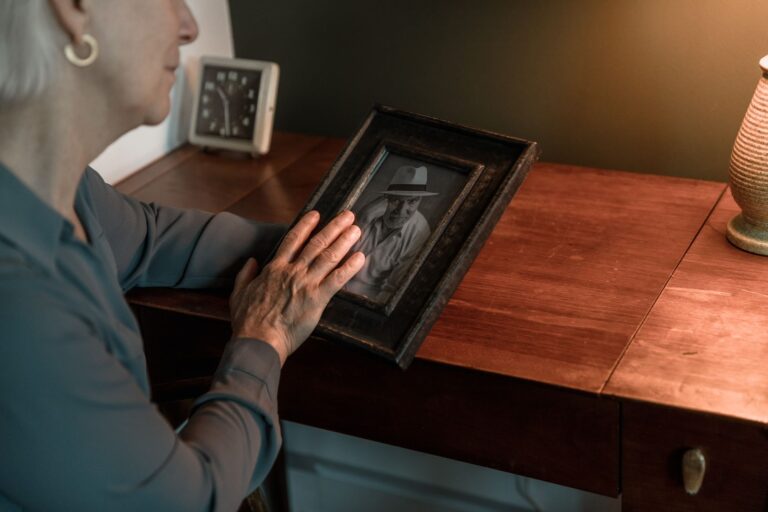
Dementia is loss of thinking, memory, and reasoning severe enough to disrupt daily activities; the husband's shared recipe card captures life before those losses changed his wife's routines. The card can be a meaningful family record, but it cannot identify the cause, stage, or timing of her condition. Dementia is not normal aging or automatically Alzheimer's disease. Alzheimer's is its most common cause in older adults, while vascular, Lewy body, frontotemporal, and other disorders can also cause dementia.
Medical information disclaimer: This article is for general educational purposes only and does not provide medical advice, diagnosis, or treatment. Always consult a physician or other qualified health professional about symptoms, medications, tests, or treatment decisions.
Table of Contents
- What a recipe card can—and cannot—show
- Why cooking changes can matter
- How families can balance safety and independence
- Can the card support memory and connection?
- What families can do with a treasured card
What a recipe card can—and cannot—show
A recipe card preserves exactly what its writer recorded: ingredients, directions, handwriting, corrections, and personal shorthand. Relatives may connect those details with changes they witnessed, but the card cannot explain why a change happened. Altered handwriting or difficulty following a recipe does not diagnose dementia.
According to the National Institute on Aging's explanation of diagnosis, clinicians consider cognition, daily functioning, health history, medicines, laboratory results, and possible reversible causes. Infection, depression, and medication effects are among the problems they may investigate. Treat the card as one observation rather than a medical test. Record its approximate date and any related changes on a separate page so later notes do not alter the original.
Why cooking changes can matter
dementia becomes disabling when problems with thinking or memory interfere with daily activities. Cooking can reveal functional changes because one meal may require several separate decisions: Someone may still write familiar instructions while needing help with another part of the meal.
Conversely, one incomplete recipe or forgotten ingredient does not establish a wider decline. Progression also varies substantially between people. A card cannot determine when dementia began, which abilities remained intact, or how quickly other tasks became harder.
- Choosing a dish and gathering its ingredients
- Measuring ingredients and following steps in order
- Managing timers, heat, and appliances
- Finishing the task and turning equipment off
How families can balance safety and independence
People with early-stage dementia may continue handling everyday activities. The National Institute on Aging's home-safety guidance recommends planning ahead as tasks become harder, including considering simpler appliances and automatic stove shutoff devices.
Support can increase in small steps: Match assistance to the person's current abilities and reassess when those abilities change. Present added help as a shared activity when possible, because losing control of familiar routines may cause embarrassment, anger, or distress.
- Choose familiar recipes with fewer steps.
- Put ingredients and written directions in working order.
- Measure ingredients in advance if sequencing becomes difficult.
- Stay nearby when the person uses heat or sharp tools.
- Take over unsafe steps while leaving manageable tasks available.
Can the card support memory and connection?
A recipe card may prompt stories about meals, holidays, or family members. That can make it a useful invitation to connect, but it is not a treatment and cannot halt or reverse dementia. A Cochrane review of 22 reminiscence-therapy trials involving 1,972 participants found generally small or inconsistent benefits and no clear improvement in daily functioning.
Families should therefore judge the activity by whether the person enjoys it, not by whether it produces better recall. Ask open invitations such as, "Would you like to look at this with me?" Avoid turning the card into a quiz or correcting every detail. Stop or change activities if the conversation causes distress.
What families can do with a treasured card
Keep the card's emotional and clinical roles separate: If a diagnosis already exists, use the card to guide respectful conversations and suitable activities—not to assign a disease stage. At the next appointment, bring a medicine list, the dates of observed changes, and specific examples of which everyday tasks now require assistance.
- Scan or photograph the original and store it safely.
- Write family memories and dates on a separate copy.
- Note which cooking steps now require help.
- Review kitchen risks and add support where needed.
- Seek a clinical assessment if thinking or memory changes interfere with daily life.