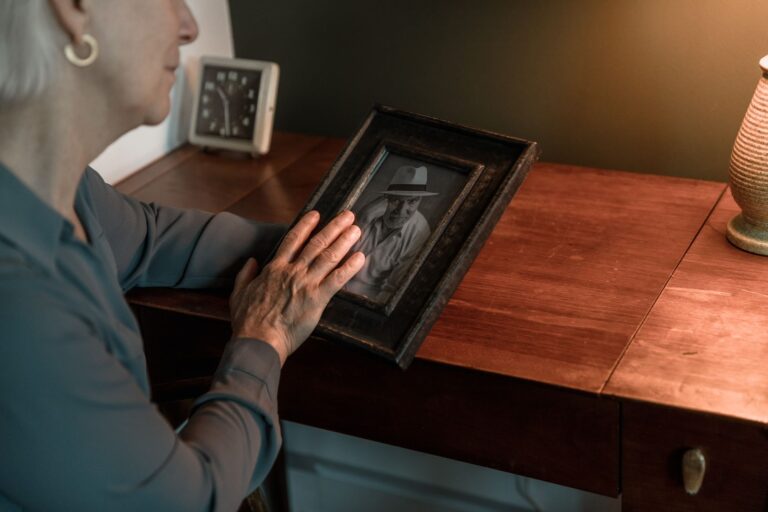
The son and mother behind this recipe card cannot be identified from the information provided, so the anecdote remains unverified. Dementia—cognitive loss severe enough to disrupt daily life—cannot be diagnosed from a recipe card and requires clinical assessment. That limit does not make the card meaningless. It may be a treasured family keepsake, but readers should separate its emotional meaning from medical evidence.
Medical information disclaimer: This article is for general educational purposes only and does not provide medical advice, diagnosis, or treatment. Always consult a physician or other qualified health professional about symptoms, medications, tests, or treatment decisions.
Table of Contents
- What can the recipe card actually show?
- When should recipe trouble prompt an evaluation?
- What does a dementia workup involve?
- How can families make cooking safer?
- Turning concern into a family plan
What can the recipe card actually show?
No available account identifies the family, reproduces the original post, or confirms the mother's diagnosis. Claims about what she wrote, when she wrote it, or how her abilities changed should therefore be treated cautiously.
A family might regard a card as the last familiar piece of writing before daily life changed. That makes it a personal timeline marker, not a clinical timestamp. Handwriting, spelling, or an unusual instruction cannot establish dementia on its own.
When should recipe trouble prompt an evaluation?
Trouble following a familiar recipe or completing familiar tasks can warrant medical attention. However, the NIA notes that memory-like symptoms may also result from medications, other illnesses, or treatable causes.
Families can give a clinician more useful information by documenting function rather than interpreting the card: A recurring change that disrupts daily life matters more clinically than one confusing recipe or isolated mistake. The goal is evaluation, not a diagnosis reached at home.
- Describe the exact task that became difficult.
- Note when the change began and whether it keeps happening.
- Record how the problem affects ordinary activities.
- Bring information about medications and other illnesses.
What does a dementia workup involve?
The NIA explains that a proper assessment considers medical history, physical and cognitive testing, and tests for potentially treatable causes. A blood-test result alone should not determine whether someone has dementia.
families should bring concrete examples, such as difficulty completing a once-familiar recipe. The clinician can place those examples within the person's broader health and daily functioning instead of treating one artifact as proof.
How can families make cooking safer?
A diagnosis does not automatically reveal which kitchen tasks a person can perform safely. Support should match current ability and change as that ability changes.
As Alzheimer's progresses, a person may forget an oven or faucet. The NIA recommends reassessing kitchen safety and considering stove safety knobs or automatic shutoff devices. Practical adjustments may include:.
- Preparing a familiar dish together.
- Assigning safer steps while another person handles heat.
- Installing appropriate stove safeguards.
- Rechecking abilities instead of relying on an earlier assessment.
Turning concern into a family plan
The family context can be demanding. The CDC reports that more than 11 million U.S.
adults provide unpaid dementia care and about 80% of affected adults receive care at home. A recipe card can begin a useful conversation, but it should not carry the burden of proving what happened. Before the next medical visit, choose someone to bring the change log and someone to reassess kitchen safety.