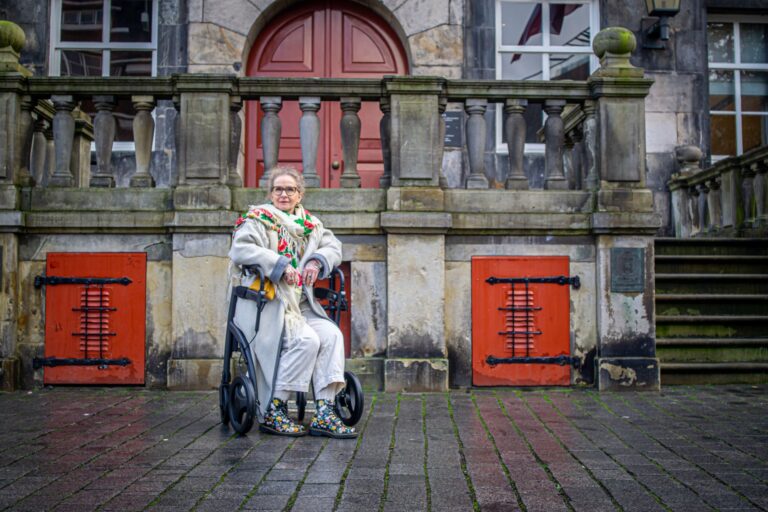
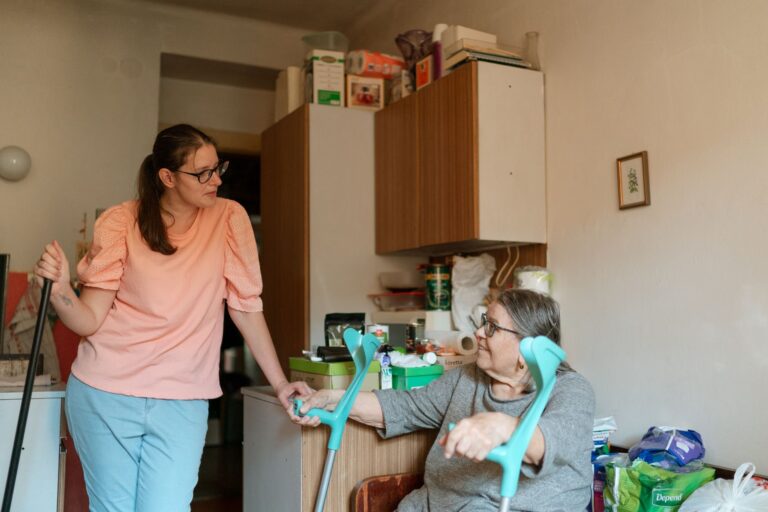
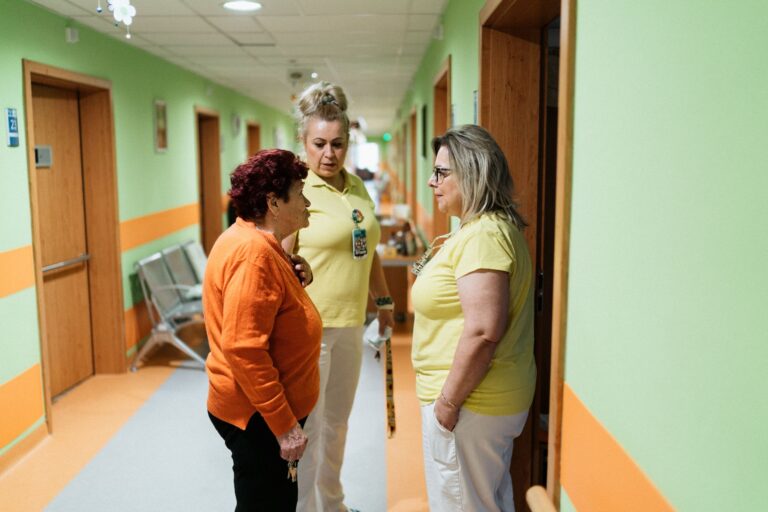
Honoring the person behind the diagnosis means treating someone with dementia as a complete human being with a lifetime of experiences, preferences, and emotional needs—not as a collection of symptoms or a disease. When a diagnosis arrives, it’s easy to let it become the entirety of how we see the person. A person who has lived eighty years, raised children, built a career, developed tastes and opinions, and formed deep relationships does not transform into “a dementia patient” on the day of diagnosis. That person’s identity, values, and dignity remain intact, even as their memory or cognitive abilities change. This principle matters practically, not just philosophically.
Research shows that people with dementia experience better outcomes—less depression, fewer behavioral challenges, better engagement with care—when they’re treated as individuals with agency and respect rather than as objects to be managed. A woman who has always made her own decisions about what to wear, what to eat, and how to spend her day doesn’t need that autonomy suspended by dementia diagnosis. A man who spent his life as a mechanic, proud of his problem-solving abilities, still holds that identity even when he can no longer fix a car. The core challenge is this: dementia does change how someone processes information and manages daily tasks. But those changes don’t erase who they are. Honoring the person means holding both truths at once—acknowledging the diagnosis while never letting it eclipse the individual.
Table of Contents
- WHO IS THE PERSON BEFORE AND AFTER THE DIAGNOSIS?
- THE LANGUAGE WE USE SHAPES HOW WE TREAT THEM
- THE STORIES AND MEMORIES THAT BUILT THEM
- CHOICE, AUTONOMY, AND WHAT DIGNITY REQUIRES IN DAILY CARE
- THE RISK OF SEEING THE DISEASE INSTEAD OF THE PERSON
- FAMILY RELATIONSHIPS RESHAPED, NOT ENDED
- SMALL ACTS OF RESPECT IN PRACTICAL CARE
- Frequently Asked Questions
WHO IS THE PERSON BEFORE AND AFTER THE DIAGNOSIS?
Before someone receives a dementia diagnosis, family members often know their full story: their sense of humor, their stubbornness, the way they always wanted things done a certain way, the causes they cared about, the people they loved deeply. After diagnosis, caregivers sometimes abandon that knowledge and start seeing only the disease. A person who spent forty years as a nurse doesn’t stop being a nurse when diagnosed with mild cognitive impairment; she still holds professional knowledge, still cares about precision and helping people, still has opinions about health care. Dementia doesn’t create a blank slate. It reduces access to certain memories or slows processing, but the underlying personality, values, and emotional responses typically remain.
This is why the same activity—a familiar song, a favorite food, time with a grandchild—can trigger a response of joy or comfort even when the person can’t recall why they love it. The feeling and preference existed for decades and shaped who they are. The diagnosis doesn’t erase that foundation. The practical implication is that the best caregivers are often those who stay curious about the person’s history. What kind of work did they do? What made them laugh? Were they more introverted or gregarious? What decisions did they always want to make for themselves? This information, collected before or early in cognitive decline, becomes the map for understanding how to approach care in a way that respects their personhood.
THE LANGUAGE WE USE SHAPES HOW WE TREAT THEM
Language matters more than many caregivers realize. Referring to someone as “a dementia patient” or “an Alzheimer’s person” pulls the diagnosis into the foreground and pushes the person into the background. The person is a person first; they have dementia, but dementia doesn’t define them. This distinction shifts how family members and care staff interact with them—with respect or condescension, with curiosity or dismissal. One significant limitation of language-based respect is that it only works if everyone in the person’s world adopts it consistently. A daughter might speak to her mother with dignity and use person-first language, but if nursing staff talk about her in her presence as though she’s not there, or use baby-talk or patronizing tones, the damage is real.
Infantilizing speech to people with cognitive decline (often called “elderspeak”) has been shown to increase agitation and reduce cooperation. It signals disrespect, and people sense that even when they can’t articulate it. A warning: some families swing too far in the other direction and refuse to acknowledge the diagnosis at all, which can leave the person confused about why they’re struggling or why support is in place. Honoring the person doesn’t mean pretending dementia doesn’t exist; it means naming it honestly while maintaining respect. A caregiver might say, “Your memory is changing, and that’s hard. I’m here to help,” rather than either ignoring the issue or treating the person as though they’re incapable of understanding anything.
THE STORIES AND MEMORIES THAT BUILT THEM
A person’s identity is built on accumulated experience and memory—the stories they tell about themselves, the events they survived, the people who mattered. When someone develops dementia, they may lose access to recent memories first, but the deeper layers—the core of who they are—often remain. A person who escaped war as a child, who built a business, who raised children through hardship, who lost a spouse they loved for fifty years—those defining experiences shaped them in ways that persist even as short-term memory fades. The practical challenge is that without recent memory, a person with advancing dementia may lose the narrative thread of their own life.
They might not remember their grandchild’s name but still light up at the sight of a young face. They might not recall the job they held for thirty years but still feel pride and competence when engaged in a task that mirrors that work. Some memory loss is inevitable. What matters is that caregivers stay anchored to the person’s history and continue to reflect it back: “You always knew how to fix things,” or “You were so good with people,” or “Remember when you took that trip to Spain?” Even if the person doesn’t remember the specific trip, the reminder connects them to their own continuity.
CHOICE, AUTONOMY, AND WHAT DIGNITY REQUIRES IN DAILY CARE
Honoring someone’s personhood means preserving choice whenever possible, even as cognition changes. This isn’t easy. A person with mid-stage dementia might refuse to bathe, refuse to take medication, or refuse to eat certain foods. A caregiver might think the fastest, most efficient approach is to override those preferences and do what needs to be done for health and safety. But there’s a tradeoff between autonomy and efficiency, and it’s worth weighing carefully. Consider two approaches to a woman who refuses to shower: one caregiver might persuade, distract, or involve her in the decision (“Would you like a bath or a shower? Warm water or cooler?”). Another might simply override her refusal and bathe her while she protests. The second approach is faster.
The first approach honors her as an agent in her own care, even though she has dementia. The outcomes differ. People who retain some sense of control over their bodies and choices experience less agitation, less depression, and better engagement with caregivers. The autonomy matters, not because the person might change their mind about hygiene (they might not), but because being treated as a person with valid preferences is part of remaining a person. A limitation to acknowledge: there are genuine safety situations where autonomy must be overridden. A person who is at imminent risk of harm can’t be offered the choice to take that risk. But those situations are rarer than many caregivers assume. Most daily decisions—what to wear, what to eat, when to nap, how to spend an afternoon—offer room for choice, and preserving that choice is part of honoring the person.
THE RISK OF SEEING THE DISEASE INSTEAD OF THE PERSON
One of the most insidious mistakes in dementia care is attributing every behavior or change solely to the disease. A person becomes withdrawn, and the caregiver assumes it’s the dementia progressing. It might be. It also might be depression, which is treatable. It might be pain from an untreated infection, which is fixable. It might be boredom or loneliness, which can be addressed. It might be a medication side effect. The warning here is serious: dementia diagnosis can create a false explanatory closure.
Once the diagnosis is made, some clinicians and caregivers stop asking questions. The assumption that “dementia explains everything” can mask real, treatable problems. A person who suddenly becomes agitated might have a urinary tract infection (common and extremely treatable, but frequently misdiagnosed as behavioral decline in older adults with dementia). A person who stops engaging might be depressed. A person who refuses to eat might be experiencing pain while chewing. These are different problems with different solutions. Honoring the person means continuing to investigate and treat symptoms as you would in anyone else. It means pushing back against the passive acceptance that “this is just how dementia goes” when something changes. It means asking the person questions, observing closely, and working with clinicians to rule out treatable causes before settling on “advanced dementia” as the explanation.
FAMILY RELATIONSHIPS RESHAPED, NOT ENDED
Dementia changes family relationships, sometimes in painful ways. An adult child might grieve the loss of the parent who can no longer offer advice or remember them. A spouse might struggle with the role shift from partner to primary caregiver. These griefs are real and valid. But they can create a shadow in which the caregiver stops seeing the person who is still present. A specific example: a man with advancing Alzheimer’s no longer recognizes his wife of fifty years. It’s devastating.
But she still recognizes him. She still knows his kindness, his humor, the quirks of his personality. If she lets the non-recognition consume her grief, she might stop engaging with him as a person—and he will respond to that withdrawal, becoming more agitated or withdrawn himself. Conversely, when she approaches him as someone she still knows, someone whose company she can still enjoy, even without the shared history of recognition, they can still have moments of connection. Not the same connection. Different. Real.
SMALL ACTS OF RESPECT IN PRACTICAL CARE
Honoring someone’s personhood doesn’t require grand gestures. It shows up in small, daily choices. It’s the caregiver who plays the person’s favorite music during bath time. It’s the family member who brings in photographs and sits to talk about the people in them. It’s the aide who addresses the person by their preferred name, not a nickname or term of endearment they never liked. It’s asking, “Would you like me to help you get dressed, or would you rather do it yourself?” even when the answer might complicate the morning routine. These small acts accumulate.
They tell the person: you still matter. Your preferences still count. I still see you in here. A person with significant memory loss might not remember the conversation from five minutes ago, but they remember the feeling of being respected. They remember the tone of voice, the gentleness or harshness of touch, the sense that they are being treated as someone who matters or as someone who is a burden to be managed. That emotional memory—the implicit, non-declarative feeling—often persists long after explicit memories fade, which is why the day-to-day quality of human interaction in dementia care is not incidental to outcomes. It is central.
Frequently Asked Questions
Can someone with dementia understand that they have the diagnosis?
Many people with mild to moderate dementia can understand and discuss their diagnosis, especially if it’s explained clearly and compassionately. As dementia advances, the capacity to retain and process complex information changes, but that doesn’t mean ignoring the person’s right to know what’s happening. The explanation may need to be simple and repeated, and it should be honest.
What should I do if my family member with dementia refuses to accept help?
Refusal can stem from many sources—not recognizing the need, fear of loss of control, difficulty with change, or an unmet need (pain, hunger, needing the bathroom). Before overriding their preference, investigate the root. Sometimes reframing helps (“Let me help you” instead of “You need help”). Sometimes a different person offering help works better. Sometimes it’s worth waiting and trying again later. Treating the refusal as meaningful, not merely symptomatic, often opens solutions.
How do I talk to my parent with dementia about their past when they don’t remember?
You’re not trying to make them remember. You’re reminding them of who they are. Share the story, observe how they respond emotionally, and let that be enough. “You were so proud of your garden” might not trigger a specific memory, but it can reconnect them to a core identity or prompt a related feeling or vague recollection. The conversation honors their history, whether or not they actively recall it.
Should I correct my parent when they’re confused about facts or people?
Correction rarely works and often causes distress. If your parent believes something that won’t harm them, it’s usually kinder to let it stand. If they’re distressed or confused about something that affects immediate safety or care, a gentle redirection is better than a direct contradiction. “Your mother loved you so much” works better than “No, your mother is dead.” The first honors their emotional need; the second delivers a shock.
Is it wrong to use medication to manage behavioral symptoms?
Medication is a tool, not a failure. Sometimes it’s genuinely necessary to reduce suffering or prevent harm. The warning is this: medication should come after you’ve investigated what’s driving the behavior, and it should be the smallest dose for the shortest time necessary. Medications carry risks in older adults with dementia. Use them when the benefit clearly outweighs the risk, not as a first response to behaviors that might stem from pain, infection, boredom, or other treatable causes.
How do I know if I’m honoring the person or just enabling refusal to necessary care?
The distinction usually lies in safety and communication. Honoring autonomy means offering choices within safe parameters, explaining why something matters, and trying multiple approaches before overriding someone’s wishes. Enabling refusal means giving up without engaging—letting someone skip medication without understanding why, or not investigating the root of resistance. The person-centered approach involves more work, not less. It requires curiosity about the person and their preferences, not just compliance with the task at hand.