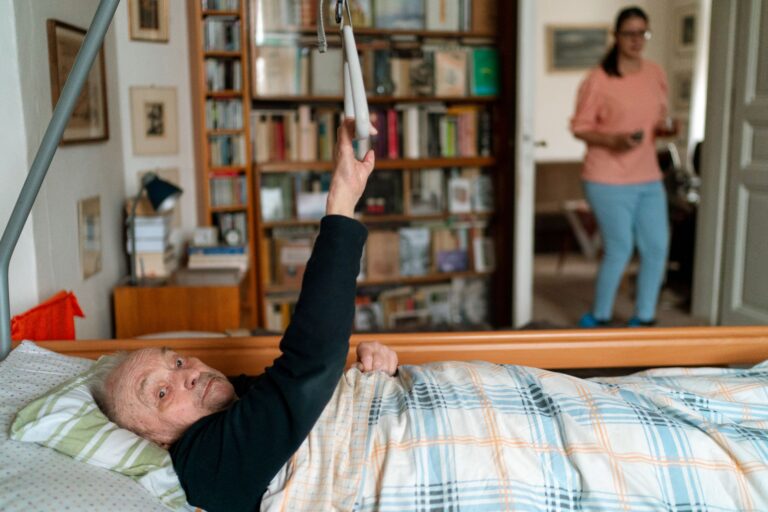
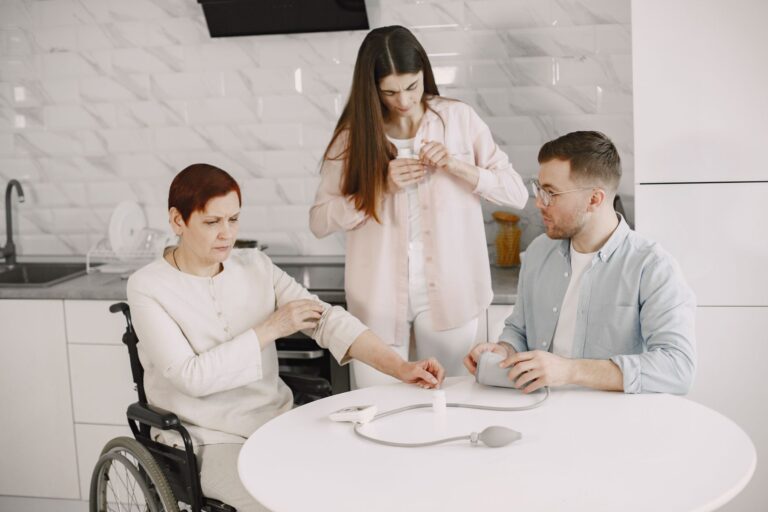
Therapeutic approaches to reduce patient suffering center on three core strategies: directly addressing pain and discomfort through medical management and palliative care, modifying the environment and daily routines to minimize triggers and distress, and engaging the patient in activities and interactions that provide meaning and comfort. In dementia care specifically, these approaches must account for communication challenges, changing cognitive abilities, and the unique ways neurological decline manifests as suffering—which is not always visible or easily named by the patient. A person with advanced dementia might experience acute discomfort from constipation, infection, or muscle rigidity, but because they cannot articulate it clearly, that suffering often goes unrecognized and untreated.
Trained caregivers who know how to read behavioral signs—agitation, withdrawal, facial expressions, changes in eating or sleeping—and who respond with targeted interventions can prevent or substantially reduce suffering at every stage of brain disease. The most effective suffering-reduction strategies are not single treatments but combinations: medical pain control paired with meaningful activity; medication management alongside environmental design; and skilled observation combined with family involvement. Research and clinical experience both show that patients experience less suffering when their care is proactive rather than reactive—when caregivers anticipate problems and intervene before crisis occurs, rather than responding only after a patient becomes aggressive, withdrawn, or in obvious pain.
Table of Contents
- What Role Does Pain Management Play in Reducing Dementia-Related Suffering?
- How Do Behavioral and Cognitive Therapies Reduce Suffering in Dementia?
- What Are the Benefits of Physical and Sensory Therapies?
- How Should the Physical Environment Be Modified to Support Comfort and Reduce Distress?
- What Are the Risks and Limitations of Medication in Dementia Care?
- How Can Music and Creative Therapies Address Emotional and Behavioral Suffering?
- What Does Person-Centered Care Look Like in Practice?
- Frequently Asked Questions
What Role Does Pain Management Play in Reducing Dementia-Related Suffering?
Unmanaged pain is one of the most common and preventable sources of suffering in dementia patients. Studies consistently find that 40–80% of people with dementia experience chronic pain from arthritis, past injuries, or related conditions, yet many receive inadequate treatment because they cannot reliably self-report pain. A person with moderate dementia might not be able to say “my hip hurts,” but they may refuse to stand, become agitated during transfers, or spend the day in a withdrawn state—all signs of pain that a caregiver trained in observational assessment can recognize. Regular pain screening using behavioral pain scales (tools that track facial expressions, body movements, vocalizations, and activity changes) allows caregivers and clinicians to catch pain early. Once identified, pain responds well to a combination of non-medication strategies (heat, gentle movement, positioning for comfort) and, when appropriate, medications.
The challenge is that many common pain medications—including some opioids and certain nonsteroidal anti-inflammatories—can worsen confusion or cause other side effects in older adults with dementia, so dosing and medication choice require careful consideration and often benefit from specialist palliative care input. An example: a 78-year-old woman with moderate Alzheimer’s disease began refusing meals and spending most of her day slumped in her chair. Her daughter, suspecting pain, worked with her primary care doctor to systematically assess for sources of discomfort. They discovered she had untreated dental pain and a urinary tract infection—both common but easily missed in nonverbal patients. Once these were treated and regular pain medication was added for her underlying arthritis, her mood improved, she began eating again, and her agitation largely resolved.
How Do Behavioral and Cognitive Therapies Reduce Suffering in Dementia?
behavioral therapy approaches in dementia focus not on “curing” the cognitive loss but on shaping the environment and caregiver responses in ways that reduce distress and promote calm, meaningful engagement. Techniques include structured daily routines (which reduce uncertainty and anxiety), validation therapy (acknowledging a person’s emotional reality even if their statements are factually incorrect), and breaking complex tasks into smaller steps to prevent overwhelming the patient. Cognitive stimulation therapy (CST) and reminiscence therapy—activities designed to engage memory, problem-solving, and social connection—also reduce suffering by providing purpose and pleasure. Unlike cognitive rehabilitation (which aims to restore lost function), these approaches accept the cognitive decline and work within it.
A person with advanced dementia may not remember events from last week, but they may light up at a discussion about their career, a familiar song, or a tactile activity like folding laundry. These moments of engagement and pleasure are not cure, but they are genuine reduction in suffering—a shift from boredom and distress to presence and calm. A critical limitation is that behavioral approaches require consistent, patient implementation by trained caregivers, and they are time-intensive. A busy facility or an exhausted family caregiver may not have the capacity to implement these strategies effectively, which means that access to benefit is often unequal. Additionally, while these therapies reduce suffering for many, they do not work for everyone; some patients with severe behavioral symptoms or advanced neurological decline may not respond, and caregivers should not blame themselves if a particular technique fails to help.
What Are the Benefits of Physical and Sensory Therapies?
Physical therapies—including gentle exercise, stretching, massage, and occupational therapy—reduce suffering by maintaining mobility, preventing contractures (permanent muscle shortening), managing pain, and providing soothing tactile input. For a person with dementia who cannot articulate discomfort, physical therapies also serve a diagnostic function: a therapist trained in dementia care can often identify pain sources through how a patient moves or resists certain positions. Sensory therapies like music therapy, art therapy, and aromatherapy engage pleasure centers and emotional memory networks in the brain that often remain intact even when other cognitive abilities are severely compromised. A person with advanced dementia who speaks little may sing along to familiar songs from their past; someone withdrawn or agitated may calm noticeably in response to soft music or a particular scent.
These are not placebo effects but measurable shifts in neurological state: functional brain imaging shows that music activates reward and memory areas even in severely cognitively impaired individuals. A concrete example: a 72-year-old man with moderate-to-advanced Lewy body dementia was experiencing frequent hallucinations and paranoia, creating considerable distress for him and his caregivers. In addition to medication adjustment, his occupational therapist introduced a daily routine that included 20 minutes of classical music, hand massage with lavender oil, and a structured craft activity. His agitation decreased, his suspicious ideas occurred less frequently, and he slept better at night. The music and sensory input did not reverse his disease, but they measurably reduced his emotional suffering and that of his family.
How Should the Physical Environment Be Modified to Support Comfort and Reduce Distress?
Environmental design is a powerful but often-overlooked lever for suffering reduction. Simple changes—adequate lighting to reduce confusion and falling risk, removal of mirrors or reflections (which can trigger distress in people who don’t recognize their own reflection), clear visual pathways, reduced noise and overstimulation, outdoor access or simulated nature—significantly lower agitation, wandering, and episodes of distress. The trade-off in environmental design is between safety and autonomy. A highly structured, locked-down, low-stimulation environment may reduce behavioral distress but can also increase suffering through isolation and loss of agency.
Conversely, an enriched, open environment that encourages independence and choice may lead to higher risk of wandering or injury. The best approach is individualized: some patients thrive with more structure and fewer choices, while others suffer more from restriction than from the small risks of greater freedom. Caregivers must know the individual and adjust the environment accordingly. A practical comparison: a traditional locked memory care unit with fluorescent overhead lighting, institutional color schemes, and minimal windows often sees high rates of sundowning (agitation in late afternoon) and sleep problems. A redesigned space with warm, layered lighting, art on the walls, safe outdoor garden access, and clearly marked room entries typically sees lower rates of these distress behaviors, even with the same resident population and medication protocols.
What Are the Risks and Limitations of Medication in Dementia Care?
Medications can be crucial for reducing suffering—pain relievers, anti-anxiety agents, sleep aids, and treatments for agitation can genuinely help. However, psychoactive medications carry significant risks in older adults with dementia and warrant careful, conservative use. Antipsychotics, sedatives, and anticholinergics can worsen confusion, increase falls, cause stroke-like symptoms, or hasten cognitive decline. Additionally, polypharmacy (taking many medications simultaneously) creates drug interactions and side effects that can themselves become sources of suffering.
A critical warning: some facilities and caregivers use sedating or behavioral medications to manage distress that actually stems from unmet physical needs (pain, infection, hunger, discomfort) or environmental factors (overstimulation, inadequate routine). Over-medication in these cases compounds suffering by reducing the person’s alertness, engagement, and quality of life, rather than addressing the root cause. Before increasing or adding behavioral medications, thorough assessment for reversible causes of distress is essential. The limitation is that medication decisions in dementia are often made on the basis of limited information: a busy physician sees the patient briefly, relies on caregiver report of behavior, and may not have time to rule out underlying medical causes or assess whether environmental or behavioral approaches have been attempted. This means that medication—while sometimes necessary—is sometimes overused as a default approach to suffering, particularly in overburdened institutional settings.
How Can Music and Creative Therapies Address Emotional and Behavioral Suffering?
Music therapy and other creative approaches work through multiple pathways: engaging memory and emotion centers, providing structure and ritual, offering a non-verbal channel for expression, and creating moments of joy and connection. For people with dementia who have lost language or whose communication is severely limited, art, music, and movement provide alternative channels for engagement and dignity. A specific example: in one study of a residential care facility, staff implemented a daily “music hour” with songs from residents’ eras of young adulthood.
Participation was voluntary; residents with dementia, some nonverbal or severely withdrawn, were invited to listen, sing, move, or just be present. Within weeks, staff noted reduced aggression and withdrawn behavior, improved sleep at night, and more moments of laughter and social connection. One woman who had spoken fewer than five words per week began humming and occasionally singing; her family reported she seemed more present and less anxious overall.
What Does Person-Centered Care Look Like in Practice?
Person-centered care—an approach that prioritizes the individual’s history, preferences, personality, and dignity over standardized institutional routines—consistently reduces suffering and behavioral problems. This means learning who the person was before dementia (their values, occupations, hobbies, relationships) and weaving that knowledge into daily care. A person who worked as a gardener might find purpose in tending plants; a person who valued quiet might suffer more in a noisy group activity than alone with a caregiver. Implementing person-centered care requires investment in getting to know each person deeply, involving family members as sources of knowledge, and giving direct care staff autonomy to adapt routines and activities.
A concrete practice: instead of a fixed activity schedule that applies to all residents, a person-centered facility creates individual care plans that reflect each person’s documented preferences, abilities, and sources of comfort. This requires more training and often more flexible staffing, but residents experience less distress and more moments of meaning and pleasure. A man with dementia who loved woodworking might spend time in a workshop area (adapted for safety); a woman who treasured her role as a mother and grandmother might participate in childcare activities or look through family photos with staff. These are not busy-work but genuine engagement tailored to preserved identity and values.
- —
Frequently Asked Questions
My mother with dementia seems agitated all the time. Should I ask her doctor for medication to calm her?
Before adding medication, work with her doctor and care team to investigate possible physical causes: pain from arthritis or infection, constipation, hunger, inadequate sleep, overstimulation from too much noise or activity, or disruption of her routine. Once medical causes are ruled out, try adjusting her environment or adding structured activities she enjoys. If behavioral distress persists despite these changes, medication may then be appropriate—but it works best as an addition to, not a replacement for, these other strategies.
Are there therapies for dementia that work without medication?
Yes. Behavioral approaches (structured routines, validation, breaking tasks into steps), physical therapies (gentle exercise, massage), sensory engagement (music, art, time outdoors), environmental modifications, and purposeful activity all reduce suffering without medication. These often work best in combination and require consistent caregiver training and involvement.
How can I tell if my loved one is in pain if they can’t tell me?
Look for behavioral changes: increased agitation, withdrawal or depression, refusal to eat or move, facial grimacing, changes in sleep, hitting or grabbing, or unusual resistance during care. Pain scales that assess these observable signs (like the Pain Assessment in Advanced Dementia scale) can help. If you notice a sudden change in behavior, mention it to the doctor alongside other possible causes like infection or medication side effects.
Is it better to keep someone with advanced dementia at home or in a facility for reduced suffering?
It depends on the individual’s needs, the family’s capacity, the quality of available care, and the person’s preferences (when they can still be expressed). High-quality home care can be excellent but is exhausting for families; well-designed, person-centered facilities can provide professional support and meaningful engagement. The key is that wherever the person is, their care must be proactive, individualized, and focused on comfort and dignity—not just on managing behavior.
What’s the difference between palliative care and hospice?
Palliative care focuses on comfort and quality of life at any stage of serious illness and is provided alongside curative or disease-slowing treatment. Hospice is a form of palliative care provided when a person is expected to die within months and the focus shifts entirely to comfort, not life-prolonging treatment. Both reduce suffering, but they operate on different timelines and with different goals.
Can a person with advanced dementia still experience joy or meaningful moments?
Yes. Even people with severe memory loss and limited communication often respond to music, familiar people, sensory input, and activities aligned with their past identity and values. These moments may be brief or fragmented from our perspective, but they are real moments of pleasure, connection, or peace—not false comforts, but genuine experiences of something good. —