Reviewed by the Help Dementia Editorial Team — our editors review every article for accuracy against guidance from the National Institute on Aging, the Alzheimer’s Association, and peer-reviewed sources.
Vicks VapoRub keeps coming up in fall dementia care conversations because respiratory issues spike during the colder months, and caregivers need non-pharmaceutical tools that actually work without adding more medications. When your mother with mid-stage Alzheimer’s develops a persistent cough in October, or your father becomes restless from congestion without understanding why, reaching for a familiar menthol rub offers both comfort and a moment of connection that medication alone cannot provide. The reality is that seasonal illness, medication interactions, and the unpredictable nature of dementia mean caregivers constantly search for simple interventions, and Vicks VapoRub has decades of history as a household staple that caregivers know how to use.
The fall season amplifies respiratory vulnerabilities in aging adults and people with dementia. Aspiration risk increases, upper respiratory infections circulate more widely, and seasonal mood changes can trigger agitation that manifests as physical restlessness. Vicks VapoRub appears repeatedly in caregiver forums and healthcare discussions because it addresses multiple concerns at once: it can ease breathing discomfort, provide sensory stimulation, and give caregivers something tangible they can do when pharmaceutical options feel overwhelming or complicated.
Table of Contents
- Why Respiratory Issues Intensify in Fall for Dementia Patients
- Safety Boundaries—What You Need to Know Before Using Vicks
- The Sensory Engagement Factor—Why Caregivers Return to It
- Practical Application—When and How to Use It Safely
- Medication Interactions and When to Consult the Doctor
- When to Consider Alternatives—Saline Rinses and Breathing Support
- The Broader Picture—Fall Preparation in Dementia Care
- Conclusion
Why Respiratory Issues Intensify in Fall for Dementia Patients
Fall brings a convergence of respiratory challenges for people with dementia. Seasonal temperature swings stress the respiratory system, influenza and RSV begin circulating, and heating systems activate indoors, drying out nasal passages and airways. For someone with advanced dementia who cannot communicate “my chest feels tight” or who has swallowing difficulties, congestion becomes a source of confusion and agitation rather than a discrete problem to solve.
Research on respiratory infections in dementia care settings shows that unclear symptoms often escalate into behavioral disturbances—a person with declining cognition cannot always understand that discomfort is caused by congestion rather than pain or threat. Aspiration risk, the serious concern where food or liquid enters the lungs instead of the stomach, increases measurably during fall and winter in dementia populations. This is partly biological—colder weather triggers postnasal drip and congestion—and partly behavioral, as people with dementia may eat faster, forget to swallow completely, or resist the slower eating pace that safer swallowing requires. A caregiver managing this reality without new medications finds Vicks VapoRub valuable precisely because it works at the level of symptom relief without adding another drug to an already complex medication regimen.
Safety Boundaries—What You Need to Know Before Using Vicks
vicks VapoRub is generally safe for adults, but dementia introduces specific concerns that require careful attention. The product contains menthol, eucalyptus oil, and camphor—volatile compounds that work by inhalation and skin absorption. For someone with advanced dementia who might rub their eyes after you apply VapoRub to their chest, or who might try to eat it, these compounds present a real risk. Camphor toxicity, though rare, causes neurological effects including confusion and seizures at high doses, which means applying Vicks to someone who is already cognitively vulnerable requires deliberate care about quantity and placement.
Never apply Vicks VapoRub to the face or neck where someone with dementia can easily transfer it to their eyes or mouth. Never use it on broken skin or wounds. If your family member has a history of sensitivity to topical products, or if they wear patches (medication patches are common in dementia care), check with their doctor first—Vicks can interact with some transdermal medications by affecting absorption. A patient who cannot communicate discomfort or allergic reactions becomes your responsibility to monitor, which means observing for rash, increased restlessness, or unexplained behavioral changes in the hours after application.
The Sensory Engagement Factor—Why Caregivers Return to It
Beyond respiratory function, Vicks VapoRub works as a sensory intervention in dementia care. The sharp, distinctive menthol smell can ground someone in the present moment, triggering memory pathways that other stimuli do not. Many people recognize the scent from childhood—a grandmother using it, a sick relative, a winter ritual—and that olfactory memory can momentarily clarify cognition or shift mood from agitation to calm. For caregivers, this therapeutic dimension is invaluable.
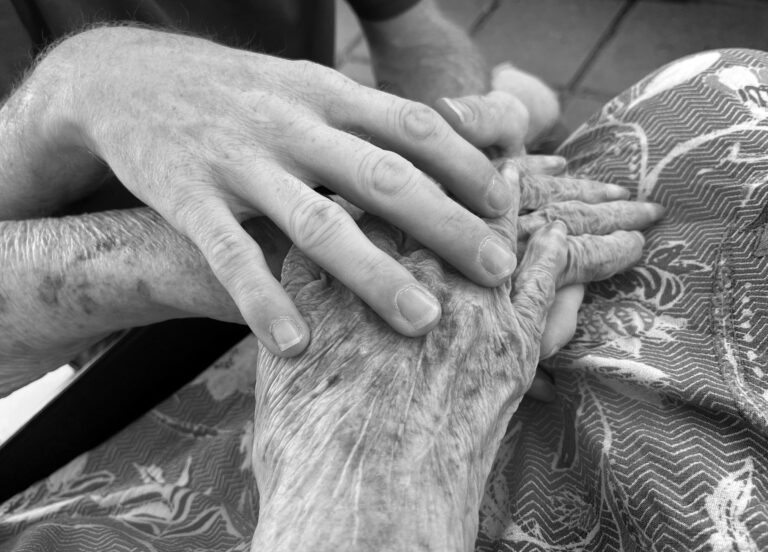
You are not just treating congestion; you are creating a moment of recognizable care that your family member’s brain, even in decline, understands as “someone is helping me.” The tactile component matters equally. The act of gently rubbing VapoRub onto your parent’s chest or back becomes a form of touch that many dementia patients desperately need. Touch, especially the slower, deliberate touch of applying a rub, can reduce agitation and lower blood pressure. One caregiver described the nightly ritual of applying Vicks to her father’s chest as the only time he stopped pacing and sat quietly with her. She was not just treating his seasonal cough; she was creating a structured, predictable moment of connection that his diseased brain could still recognize as safety and care.

Practical Application—When and How to Use It Safely
Timing matters. The best time to apply Vicks VapoRub is before bed or during a calm moment when your family member is not agitated or trying to move around. Apply a thin layer to the upper chest, lower neck, and upper back—areas where they cannot easily reach to transfer it to their face. Do not apply directly to skin if there is any irritation; test a small amount on your own skin first if you are uncertain about sensitivity. For someone with significant dementia who resists care, trying to apply Vicks during a period of resistance usually backfires.
Wait for a window of cooperation or calmness. The alternative approach—using a humidifier in the bedroom instead of topical application—avoids the safety considerations entirely while addressing congestion. A cool-mist humidifier adds moisture to the air without heat, reducing drying of airways and easing congestion. The tradeoff is that a humidifier requires maintenance, electricity, and ongoing vigilance about mold and cleanliness, whereas a single application of Vicks requires only a few minutes of attention. Your choice depends on your family member’s living situation, your own capacity for equipment maintenance, and whether they tolerate the noise of a humidifier.
Medication Interactions and When to Consult the Doctor
Vicks VapoRub is not a medication, but it can interact with medications your family member takes. If they use nicotine patches for smoking cessation, use pain relief patches like fentanyl, or wear any other transdermal patch, inform their doctor before applying Vicks. The menthol and other compounds can alter how those patches absorb, potentially changing drug levels in the bloodstream. Someone with dementia taking respiratory medications (like inhalers for COPD), or medications for heart rhythm or blood pressure, deserves a quick conversation with their healthcare provider—not because Vicks VapoRub is dangerous, but because when cognition is failing, you cannot rely on your family member to report unusual symptoms if something goes wrong.
A critical limitation: Vicks VapoRub feels comforting and works as a symptom reliever, but it is not treatment for serious respiratory infection. If your family member develops a fever, rapid breathing, confusion that is worse than their baseline dementia, or signs of aspiration (difficulty swallowing, wet voice, coughing during meals), these require medical evaluation regardless of Vicks. Too many caregivers default to comfort measures when they should be seeking diagnosis. Vicks is the right choice for seasonal congestion or mild discomfort, not for symptoms that suggest pneumonia, aspiration, or acute illness.

When to Consider Alternatives—Saline Rinses and Breathing Support
Saline nasal rinses and saline spray offer a medication-free approach that works well for many dementia patients and carries virtually no safety risk. A simple saline rinse using a neti pot or rinse bottle clears nasal passages more thoroughly than Vicks, though it requires active cooperation—not always available in advanced dementia. Saline spray is passive; you spray it in the nose and the person’s own coughing and natural clearing does the work. For someone who resists applied products or who has very sensitive skin, saline becomes the better option.
Positioning matters too. If your family member spends hours in a recliner or bed, congestion worsens because mucus pools in the chest and throat. Elevating the head of the bed, using a wedge pillow, or simply ensuring they spend part of the day upright improves breathing and reduces the need for interventions like Vicks. This is free, safe, and addresses the root mechanics of how dementia patients’ bodies handle secretions—a solution many caregivers overlook because it feels too simple.
The Broader Picture—Fall Preparation in Dementia Care
Fall is the transition into the high-risk season for respiratory illness in dementia populations. Successful caregiving during this period means planning ahead: ensuring flu and pneumococcal vaccines are current (for both your family member and yourself), stocking saline products, confirming that humidifiers work if you plan to use them, and having a relationship with your family member’s doctor where you can raise questions quickly. Vicks VapoRub fits into this preparation as one tool among many, not as a primary strategy.
Looking forward, the trend in dementia care is toward layered approaches that combine comfort, safety, and medical oversight. As your family member’s cognition changes, your toolbox must change with it. What worked during mild cognitive impairment may no longer be safe during advanced dementia. Staying connected to their healthcare team, documenting what works and what does not, and remaining willing to adjust your approach keeps you responsive to the actual person in front of you rather than locked into a single remedy.
Conclusion
Vicks VapoRub comes up repeatedly in fall dementia care conversations because it addresses real needs—respiratory discomfort, sensory grounding, and the caregiver’s fundamental human need to do something concrete when your loved one is suffering. It works, it is affordable, and most people have used it before and know what to expect. These are valid reasons for reaching for it during cold season.
But Vicks is most valuable when it is one piece of a careful approach: applied safely with attention to your family member’s specific risks, paired with other strategies like humidification and positioning, and always understood as a comfort measure, not treatment for serious infection. Your job as a caregiver is to stay alert, ask questions when you are unsure, and remain flexible as dementia changes what is safe and effective. Fall will return every year; planning now to meet its challenges thoughtfully means fewer crises and more moments of genuine comfort for the person you are caring for.