Reviewed by the Help Dementia Editorial Team — our editors review every article for accuracy against guidance from the National Institute on Aging, the Alzheimer’s Association, and peer-reviewed sources.
Naproxen keeps appearing in winter health discussions because cold weather intensifies joint pain, muscle stiffness, and arthritis symptoms—conditions that become more pronounced as people age and especially challenging for those managing dementia. Caregivers often ask about naproxen because it’s an over-the-counter option that lasts longer than ibuprofen, meaning fewer daily doses, which can be easier to manage when cognitive decline makes medication schedules difficult.
For example, a person with osteoarthritis might experience significant morning stiffness in winter that makes basic mobility—getting out of bed, walking to the bathroom, or participating in activities—noticeably harder, leading caregivers to search for pain management solutions that might help maintain independence and quality of life. The reason naproxen “keeps coming up” isn’t just about availability. It’s because winter creates a perfect storm: colder temperatures reduce blood flow to joints, people move less because of ice and cold, and the combination of reduced activity plus joint pain creates a cycle that’s particularly difficult for older adults and those with dementia who may already struggle with mobility and fall risk.
Table of Contents
- Why Winter Pain Worsens and Affects Dementia Patients Differently
- Understanding Naproxen and Its Place in Older Adult Pain Management
- Cognitive Health and NSAID Use: The Lesser-Known Connection
- Safer Alternatives and Revised Approaches to Winter Pain Management
- Medical Supervision and Medication Safety Concerns
- Non-Medication Strategies That Reduce Winter Pain Effectively
- Building a Sustainable Winter Health Strategy Without Relying on NSAIDs
- Conclusion
- Frequently Asked Questions
Why Winter Pain Worsens and Affects Dementia Patients Differently
cold weather affects the body in ways that intensify pain conditions. When temperatures drop, synovial fluid in joints becomes more viscous—thicker and less flexible—which increases stiffness and discomfort. Blood vessels constrict in cold temperatures as the body tries to conserve core heat, reducing nutrient and oxygen delivery to muscles and joints. For people managing dementia, this physical discomfort becomes particularly problematic because they may not be able to clearly communicate pain, may become more agitated or withdrawn when uncomfortable, or may attempt to move in compensatory ways that increase fall risk.
A 75-year-old with mild cognitive decline and osteoarthritis might experience pain in their knees on a summer morning that resolves with movement. That same person in January might wake with pain so severe they’re hesitant to put weight on their legs, increasing the likelihood they’ll move too quickly, lose their balance, and fall. For their caregiver, naproxen appears as a potential solution to maintain mobility and reduce those behavioral changes that pain causes. However, this is where the complexity emerges: while naproxen might reduce pain, it carries risks that need careful consideration in older adults and those with cognitive decline.

Understanding Naproxen and Its Place in Older Adult Pain Management
Naproxen is a nonsteroidal anti-inflammatory drug (NSAID) that reduces pain by blocking prostaglandins—hormones that create inflammation and pain signals. It has a longer half-life than ibuprofen, typically lasting 8-12 hours compared to ibuprofen’s 4-6 hours, which means someone taking naproxen twice daily instead of three times daily for ibuprofen. This appeals to caregivers and people with dementia because it simplifies the medication routine. Naproxen is widely available over-the-counter under brand names like Aleve, which contributes to its prevalence in winter health recommendations.
However, NSAIDs including naproxen carry significant risks for older adults, particularly those with existing heart disease, kidney problems, or stomach ulcer history. Chronic use increases the risk of heart attack, stroke, and gastrointestinal bleeding—risks that escalate with age. For people with dementia taking multiple medications, naproxen creates drug interaction concerns: it can interfere with blood pressure medications, reduce the effectiveness of some cardiac drugs, and interact unpredictably with cognitive medications. A person with dementia and mild hypertension taking lisinopril combined with regular naproxen faces increased risk of kidney problems, which their doctor might not catch if medication reviews aren’t thorough.
Cognitive Health and NSAID Use: The Lesser-Known Connection
Recent research suggests that chronic NSAID use may have subtle cognitive impacts. Some studies indicate that long-term NSAID use is associated with increased dementia risk or faster cognitive decline in some populations, though the evidence remains mixed and causality isn’t established. The mechanism may involve chronic inflammation reduction affecting brain plasticity, or NSAIDs affecting blood flow to the brain. For someone already managing cognitive decline, adding a medication that might influence cognitive function creates an ethical decision point.
Beyond that direct concern, NSAIDs affect how older brains process medications generally. People with dementia often show increased sensitivity to medications due to changes in metabolism and altered blood-brain barrier function. What would be a safe dose for a 50-year-old might accumulate to problematic levels in an 85-year-old with cognitive decline. Additionally, NSAIDs can cause dizziness and increase fall risk—a particularly dangerous side effect for someone already at higher fall risk due to gait changes or cognitive decline that affects balance. A person with dementia taking naproxen might become dizzier during a winter morning when they’re already navigating icy walkways or bathroom floors.

Safer Alternatives and Revised Approaches to Winter Pain Management
Acetaminophen (Tylenol) is often overlooked but may be safer for many people with dementia. It doesn’t carry the cardiovascular or gastrointestinal risks that NSAIDs do, though it requires careful dosing (maximum 3,000-4,000mg daily, lower for older adults) and has liver-related concerns if someone drinks alcohol. For mild to moderate pain, acetaminophen works effectively and requires simpler safety monitoring. The tradeoff is that it’s less potent for inflammatory conditions like severe arthritis, so it won’t help as much if someone has significant inflammatory pain.
Topical pain relievers—creams and patches containing capsaicin, menthol, or NSAIDs applied directly to skin—bypass systemic absorption and reduce many of the medication risks. A person with knee arthritis can apply a capsaicin cream directly to the joint, get localized pain relief without the drug circulating through their whole body, and avoid medication interactions. Physical approaches like gentle winter movement (even indoor walking), warm baths or heating pads applied safely, and maintaining some activity level actually address the root issue better than pain medication alone. For dementia patients specifically, maintaining movement and engagement provides cognitive benefits beyond pain relief—it supports mood, sleep quality, and functional ability.
Medical Supervision and Medication Safety Concerns
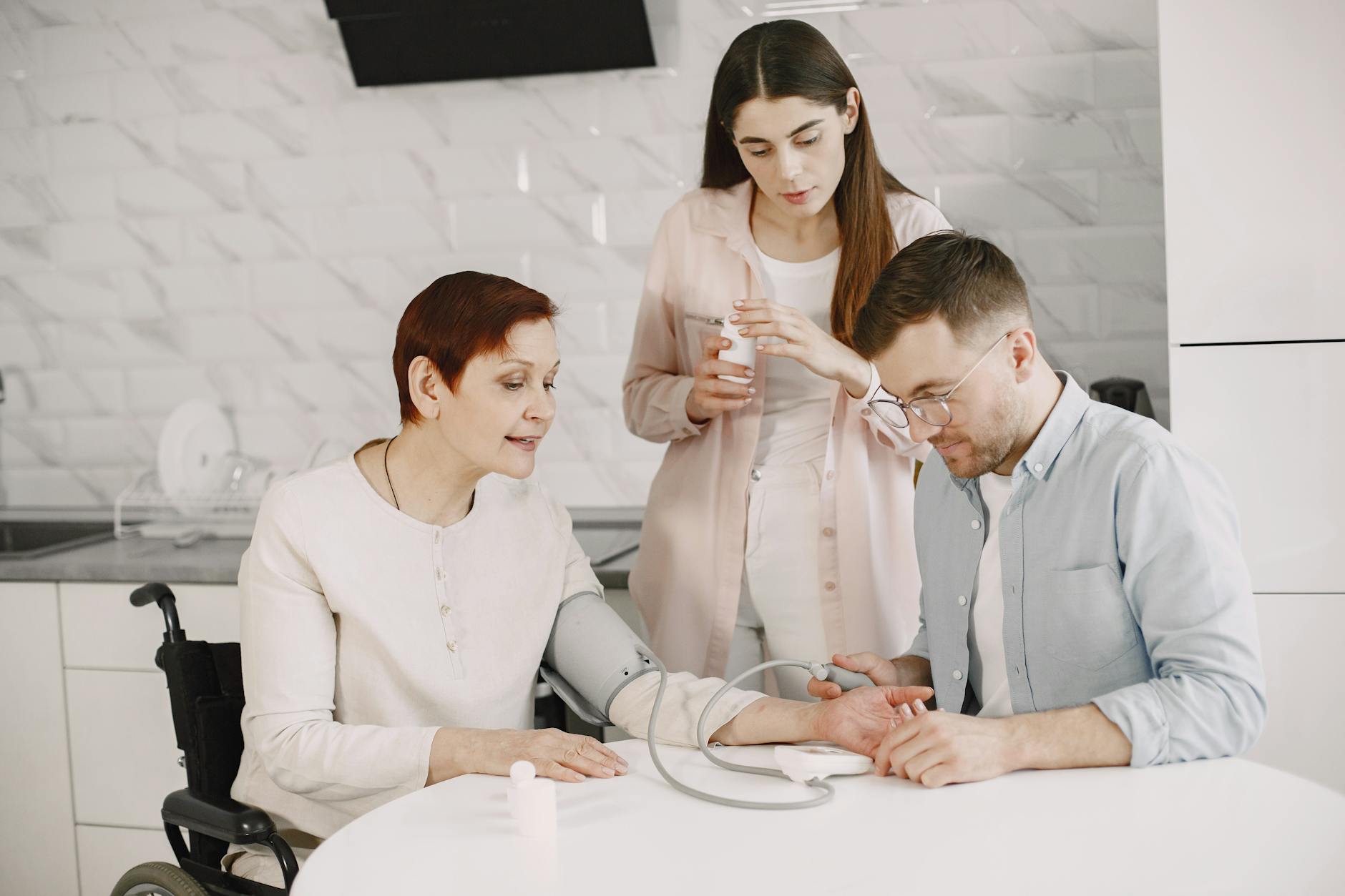
If naproxen is being used, it absolutely requires medical supervision—meaning a doctor has reviewed it and deemed it appropriate given the person’s full medical history. Many caregivers don’t realize that over-the-counter availability doesn’t mean over-the-counter safety for every person. Someone with dementia taking naproxen needs regular check-ups to monitor kidney function (via bloodwork), blood pressure, and signs of GI problems. Without this monitoring, dangerous problems can develop silently.
Dementia complicates monitoring because the person may not report side effects clearly. A person might not notice or mention that they’re developing a stomach ulcer—they might just seem less interested in food or more withdrawn. A doctor checking in once yearly for routine care might miss these subtle changes. This is why regular medication reviews matter intensely in dementia care. Every 6-12 months, someone should systematically ask: Is this medication still needed? Is it working? Are there signs of side effects? Are there safer alternatives? If naproxen was added to manage winter pain, that strategy should be re-evaluated when spring arrives and pain naturally decreases.
Non-Medication Strategies That Reduce Winter Pain Effectively
Environmental modifications often work as well as medication without the risks. Ensuring adequate indoor heating so joints stay warm, providing comfortable, padded chairs and well-fitting shoes, and avoiding prolonged sitting (which stiffens joints) addresses pain at the source. For someone with dementia, these environmental changes might actually be more effective than medication because they don’t depend on remembering to take a pill—the warmth is always there.
Movement and gentle exercise, adapted to cognitive and physical ability, reduce pain and maintain function better than rest does. Even 10-15 minutes of indoor walking, gentle stretching guided by a caregiver, or water exercise in a warm pool significantly improves joint pain in winter. For a person with dementia, these activities provide additional benefits: they support sleep quality, reduce behavioral issues that pain causes, and maintain cognitive engagement. A caregiver taking a person with dementia for a slow walk through the house while describing what they see creates pain relief, cognitive stimulation, and bonding—benefits that pain medication alone doesn’t provide.
Building a Sustainable Winter Health Strategy Without Relying on NSAIDs
The most effective winter approach for dementia patients combines multiple strategies rather than depending on medication. Start with prevention: maintain warmth, support movement and activity appropriate to the person’s abilities, manage weight if excess weight stresses joints, and use topical pain relief when localized pain occurs.
Include regular medical review to assess pain levels, identify any physical problems contributing to pain, and rule out medical causes (like infections or other conditions that might present as pain in people with dementia). For people who do need systemic pain medication, working closely with a doctor to choose the safest option—often acetaminophen rather than NSAIDs—and using the lowest effective dose for the shortest needed duration reduces risks significantly. Winter care for dementia doesn’t mean accepting medication risks; it means addressing pain thoughtfully within the broader goal of maintaining quality of life and cognitive health.
Conclusion
Naproxen appears frequently in winter health discussions because it addresses a real problem—winter pain that limits mobility and independence. However, for people managing dementia, the risks of regular NSAID use often outweigh the benefits, particularly given safer alternatives and non-medication approaches that work effectively. The better strategy is understanding why winter worsens pain, addressing those causes directly through warmth and movement, and using medication only when necessary and only under medical supervision.
Talk with a doctor before starting naproxen or any regular pain medication. Discuss the person’s full medical history, cognitive status, and current medications. Ask about safer alternatives, whether pain management is actually the best approach to the underlying problem, and how to monitor for safety if medication is used. Winter pain is manageable without accepting significant medication risks.
Frequently Asked Questions
Is it okay to give naproxen occasionally for winter pain, even if a doctor hasn’t specifically recommended it?
Even occasional use carries some risk, particularly in older adults or those with heart disease, kidney problems, or stomach issues. A single dose occasionally is lower-risk than chronic use, but it’s worth asking a doctor first. They might recommend acetaminophen as a safer option.
My parent with dementia seems to be in more pain in winter. What’s the best first step?
Start with non-medication approaches: ensure the home is warm, encourage gentle movement and activity adapted to their abilities, and use heating pads or warm baths safely. If pain persists and limits function, contact their doctor to discuss options rather than starting over-the-counter pain medication.
Can topical pain creams interact with other medications?
Topical NSAIDs have less systemic absorption than oral medications, so interactions are less common, but they’re still possible. The biggest safety advantage of topical treatments is that they avoid the cardiovascular and gastrointestinal risks of systemic NSAIDs. Always mention any pain relief products to the doctor.
My parent refuses to move in winter because they’re stiff and uncomfortable. What helps?
Sometimes pain medication isn’t the answer—building warmth and gentle movement into the routine is more effective. Warm clothing, a heated home, a warm bath before activity, and starting movement slowly helps. If the person still struggles, a doctor can explore whether medication is appropriate and which option is safest.
Does winter pain get worse for people with dementia specifically?
Winter pain affects all older adults more, but people with dementia face additional challenges: they may not communicate pain clearly, may not understand why they’re uncomfortable, and may show pain through behavioral changes rather than reporting it directly. This makes careful observation and environmental management particularly important.
What pain management approach do most dementia care specialists recommend for winter?
Most recommend a layered approach: warmth, gentle movement, topical treatments when possible, acetaminophen for systemic pain when needed, and regular medical review. Chronic NSAIDs are generally avoided unless specifically indicated by a doctor after reviewing individual risk factors.