Reviewed by the Help Dementia Editorial Team — our editors review every article for accuracy against guidance from the National Institute on Aging, the Alzheimer’s Association, and peer-reviewed sources.
Echinacea has a mixed track record when it comes to reducing post-nasal drip. While this popular herbal supplement is widely promoted for immune support and upper respiratory symptoms, the scientific evidence doesn’t consistently show that it effectively treats post-nasal drip specifically. Some people report symptom improvement, particularly when echinacea is started early in the course of a cold or infection, but clinical trials have produced varied results. Rather than being a reliable standalone solution, echinacea might serve as one component of a broader approach to managing this frustrating symptom.
For anyone dealing with post-nasal drip—the sensation of mucus trickling down the back of the throat that can disrupt sleep and impair cognitive function—finding effective relief matters. A 65-year-old might start taking echinacea at the first sign of congestion, hoping it will prevent the drainage and throat irritation that follows, only to find the drip still occurs despite consistent supplementation. This gap between expectation and outcome is why understanding what echinacea can and cannot do becomes important. Post-nasal drip itself isn’t a disease but a symptom of underlying conditions like allergies, sinus infections, or excess mucus production. The reasons echinacea may help in some cases are tied to how it interacts with the immune system and inflammation, but those mechanisms don’t automatically translate to relief for everyone.
Table of Contents
- Does Echinacea Really Work Against Post-Nasal Drip?
- How Echinacea Addresses Inflammation and Mucus Production
- Post-Nasal Drip’s Impact on Sleep and Cognitive Function
- Comparing Echinacea to Other Post-Nasal Drip Treatments
- Dosage, Duration, and When Echinacea Fails to Help
- Echinacea and Medication Interactions
- The Future of Echinacea Research and Personalized Medicine
- Conclusion
- Frequently Asked Questions
Does Echinacea Really Work Against Post-Nasal Drip?
The answer depends on which echinacea studies you examine and what type of post-nasal drip you’re experiencing. Several clinical trials, including ones published in respectable medical journals, show that echinacea may reduce the duration and severity of cold symptoms when taken early—typically within 24 hours of symptom onset. This early intervention can theoretically prevent post-nasal drip from becoming severe in the first place. However, once post-nasal drip has developed from an established sinus infection or chronic condition, echinacea’s effectiveness drops considerably. One limitation worth noting: most echinacea research focuses on preventing or shortening colds, not on treating existing sinus congestion or drainage.
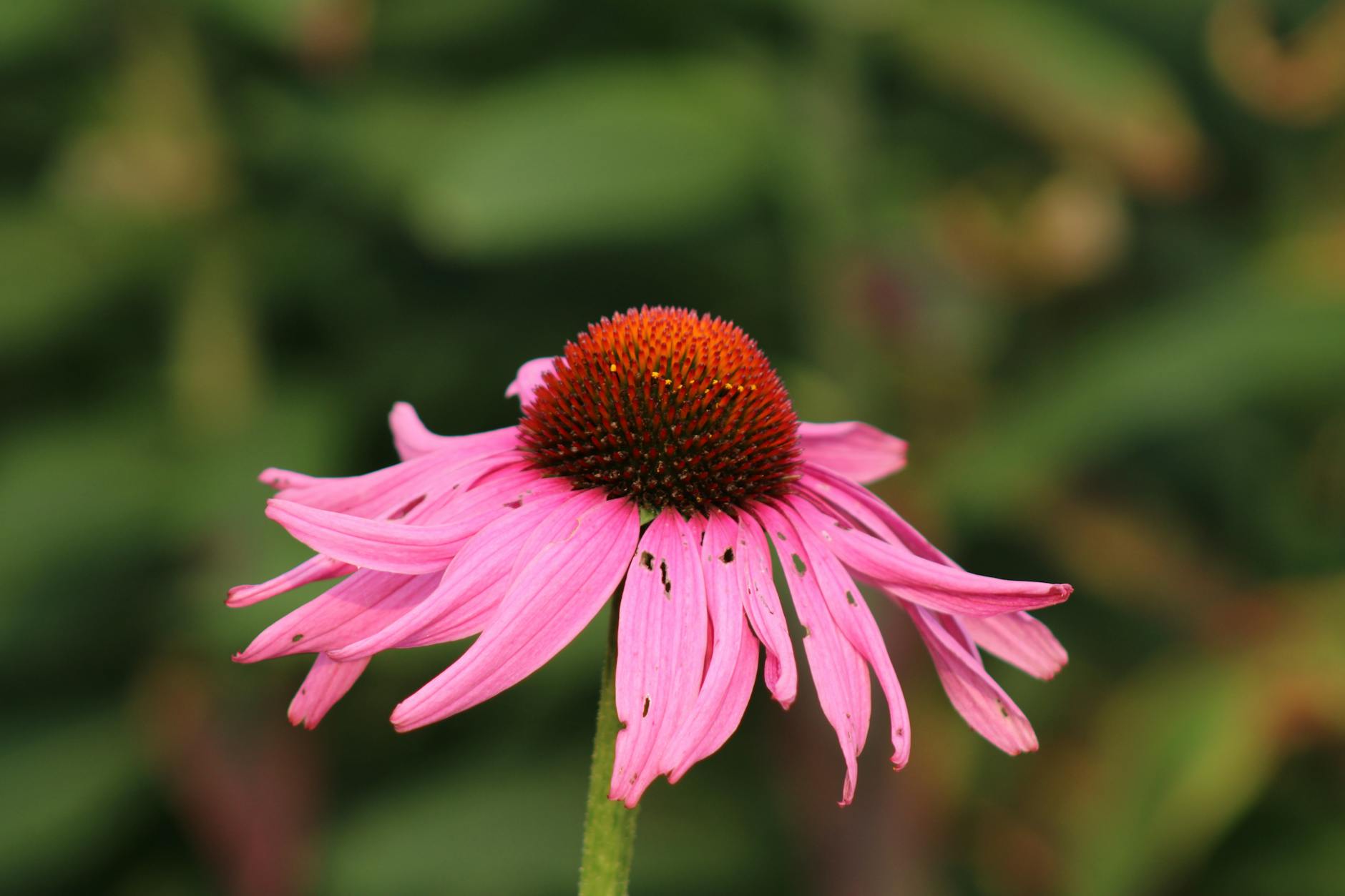
A person with chronic post-nasal drip related to seasonal allergies, for example, is unlikely to see improvement from echinacea alone, even at higher doses or with extended use. The supplement appears most promising in acute, infection-driven scenarios rather than in the lingering drainage associated with structural issues, allergies, or postnasal drip triggered by things like acid reflux. Quality and formulation matter enormously. Echinacea comes in tinctures, pills, powders, and teas, and the active compounds (polysaccharides, alkamides, and caffeic acid derivatives) vary significantly between products. Some preparations are standardized to specific active compound percentages, while others are not—making it difficult to know whether a given product actually contains therapeutic levels of echinacea’s active components.
How Echinacea Addresses Inflammation and Mucus Production
Echinacea works by stimulating immune cells, particularly white blood cells and macrophages, which theoretically help fight infection and reduce inflammation in the sinuses and throat. When inflammation decreases, mucus production can also decline, which is where post-nasal drip relief enters the picture. This immunological pathway is sound in principle, but it doesn’t work the same way for everyone or under all circumstances. A major limitation is that post-nasal drip often persists even after the initial infection or inflammatory trigger has resolved.
The sinuses may continue producing excess mucus as a lingering response, or the nasal passages may become hypersensitive, perpetuating drainage long after echinacea would have any benefit. This is why people sometimes take echinacea for weeks with little improvement—the underlying driver of the drip isn’t simply an active infection that the supplement can target. Additionally, echinacea’s anti-inflammatory effects are modest compared to prescription medications like corticosteroid nasal sprays or antihistamines. Someone with severe post-nasal drip from allergies or sinusitis is unlikely to experience significant relief from echinacea if that relief would require stronger pharmaceutical intervention. The supplement occupies a middle ground: strong enough to potentially help in mild cases or early-stage infections, but not potent enough to replace established medical treatments.
Post-Nasal Drip’s Impact on Sleep and Cognitive Function
Post-nasal drip has consequences beyond throat irritation. The constant dripping sensation can disrupt sleep, leading to shallow, fragmented rest that affects daytime alertness and cognitive performance. For older adults or anyone concerned about brain health, sleep disruption carries particular weight—poor sleep is linked to faster cognitive decline and increased risk of neurodegenerative conditions. If echinacea could reliably reduce post-nasal drip, it might indirectly improve sleep quality and support cognitive function.
Unfortunately, the inconsistency of echinacea’s effects means it shouldn’t be relied upon as a sleep aid for this purpose. Someone who loses two hours of sleep each night due to post-nasal drip needs a more reliable solution, whether that’s prescription nasal sprays, saline rinses, or addressing the underlying cause (allergy testing, for example). Waiting to see if echinacea might eventually reduce symptoms means continuing nights of disrupted sleep in the meantime—a cost that shouldn’t be overlooked. That said, if echinacea does help prevent a cold from developing into full-blown sinus congestion, the sleep preservation might be significant. The upside is worth trying early in the course of illness; the downside is minimal if it doesn’t work and alternative treatments are already in place.

Comparing Echinacea to Other Post-Nasal Drip Treatments
Other interventions have stronger evidence for managing post-nasal drip. Saline nasal rinses, for instance, mechanically flush mucus and irritants from the sinuses and have solid research supporting their use. Antihistamines address post-nasal drip driven by allergies. Prescription nasal corticosteroids reduce inflammation and mucus production with far more clinical evidence than echinacea. Decongestants provide short-term relief, though with caveats about rebound congestion with prolonged use.
Where echinacea stands out is in its safety profile and acceptability to people who prefer herbal options or who have had adverse reactions to conventional medications. It’s also inexpensive and readily available. However, “natural” doesn’t automatically mean “effective,” and the preference for herbal remedies shouldn’t override choosing a treatment that’s actually proven to work for your specific situation. The tradeoff: echinacea is low-risk but also lower-reward for most people with established post-nasal drip. A practical approach might layer treatments: start with saline rinses (evidence-based, side-effect free), add an antihistamine if allergies are involved, and if a cold is just starting, take echinacea early hoping to prevent severe congestion. This combination leverages echinacea’s modest strengths without betting the farm on its effectiveness.
Dosage, Duration, and When Echinacea Fails to Help
Standard echinacea dosing varies: some people take 300–500 mg three times daily, while others use tinctures or teas. Optimal dosage for post-nasal drip specifically isn’t well established, partly because clinical trials focus on colds rather than drainage symptoms. Taking high doses for weeks in hopes of reducing chronic post-nasal drip may be ineffective and represents a warning sign that you’re trying to use echinacea for a purpose it wasn’t designed for. A key limitation: echinacea is not approved by the FDA for any specific medical condition, and supplement regulation is loose compared to pharmaceuticals. This means labels can make health claims that haven’t been rigorously tested, and quality control varies.
A bottle labeled “echinacea” might contain a formula with minimal active compounds. Before investing time and money in echinacea for post-nasal drip, confirm you’re using a reputable brand with standardized extract and realistic expectations about what the supplement can achieve. If you’ve taken echinacea consistently for two weeks without improvement in post-nasal drip, it’s worth acknowledging that it may not be the right tool for your situation. Continuing indefinitely in hopes of eventual relief doesn’t make sense. Instead, shift focus to identifying the root cause—allergies, sinusitis, acid reflux, or medication side effects—and selecting a treatment proven to address that specific driver.
Echinacea and Medication Interactions
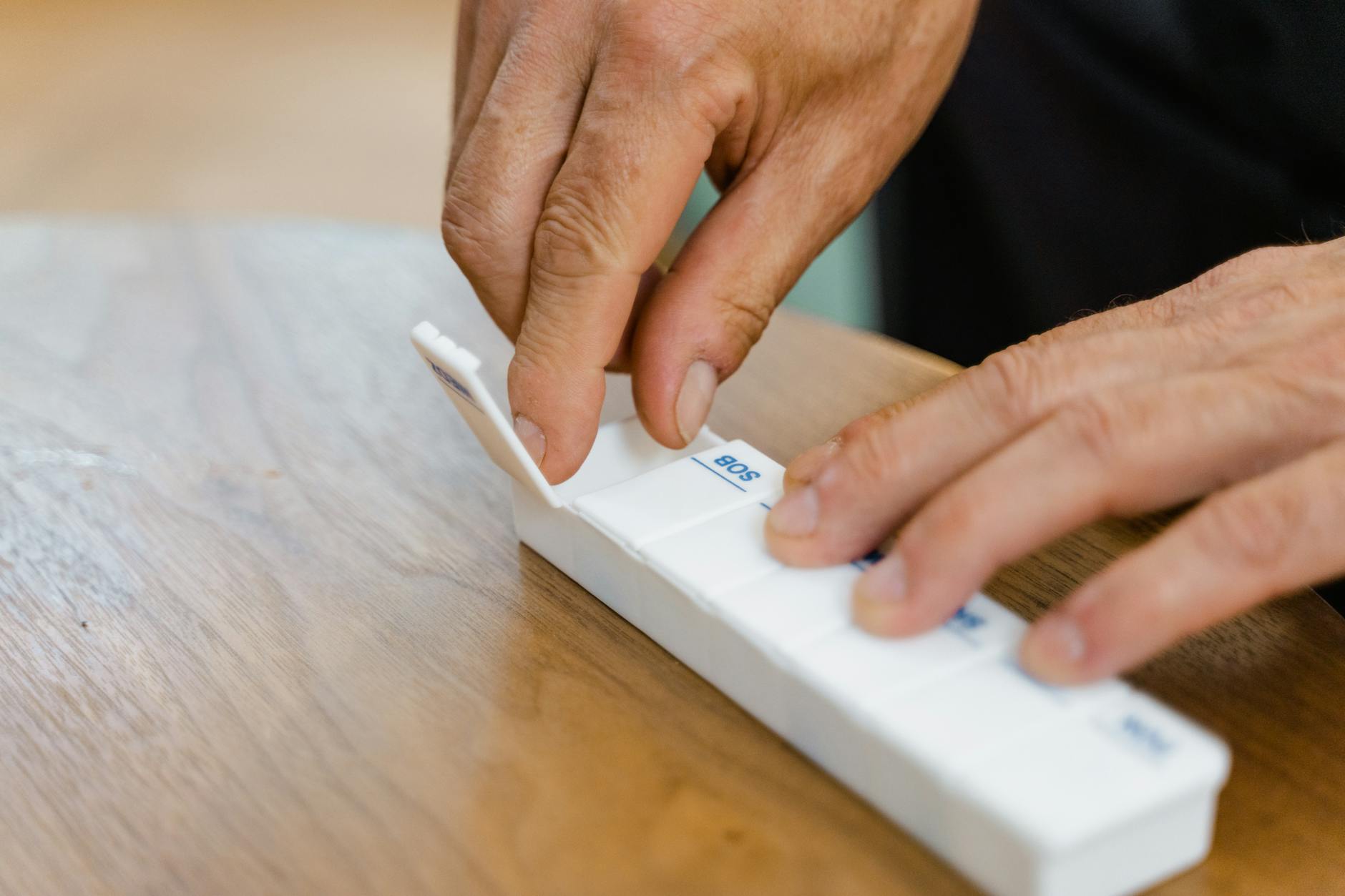
Echinacea can interact with certain medications, which is especially relevant for older adults taking multiple prescriptions. It may reduce the effectiveness of immunosuppressants (important for transplant patients) and interact with medications metabolized by the liver. It can also amplify the effects of immune-stimulating drugs, potentially causing unwanted immune activation.
Before starting echinacea, review your current medications with a pharmacist. A few drug interactions are well documented enough to warrant caution, and an interaction that causes a medication you rely on to become less effective would make the echinacea more harmful than helpful. This is a practical consideration that shouldn’t be glossed over.
The Future of Echinacea Research and Personalized Medicine
Ongoing research into echinacea continues, with newer studies examining specific echinacea species and extract types to identify which formulations work best and for whom. Personalized medicine approaches—testing whether someone’s immune system responds well to echinacea before recommending it—might someday improve outcomes. For now, though, such testing isn’t available in most clinical settings, and recommendations remain general.
The future may also bring better understanding of post-nasal drip subtypes, allowing treatments to be matched more precisely to underlying causes. For some people, echinacea may prove genuinely helpful; for others, it will remain a well-intentioned but ineffective option. Research is moving in that direction, but we’re not there yet.
Conclusion
Echinacea may provide modest help if you start taking it at the very first sign of a cold, potentially preventing post-nasal drip from developing. However, for existing, established post-nasal drip, echinacea alone is unlikely to be the solution.
The evidence is stronger for mechanical approaches like saline rinses, allergy medications, and prescription nasal sprays—all of which address post-nasal drip more reliably and directly. Before relying on echinacea, identify what’s causing your post-nasal drip and select treatments matched to that cause. If echinacea is part of your strategy, use it early, choose a standardized product from a trusted brand, and don’t hesitate to shift to proven treatments if it isn’t helping after a reasonable trial period.
Frequently Asked Questions
How long does it take for echinacea to work on post-nasal drip?
Echinacea typically shows any benefit within a few days if it’s going to help at all. If you don’t notice improvement after one to two weeks of consistent use, it’s unlikely to work for your situation.
Can I take echinacea long-term for chronic post-nasal drip?
Long-term echinacea use (beyond a few weeks) isn’t well studied and isn’t recommended. If post-nasal drip is chronic, a different underlying cause is likely at play, and echinacea won’t address it.
Is echinacea safe for older adults with post-nasal drip?
Echinacea is generally safe but does carry risk of interactions with certain medications. Check with your pharmacist before starting, especially if you take immunosuppressants or liver-metabolized drugs.
Should I use echinacea instead of saline rinses?
No. Saline rinses have stronger evidence for managing post-nasal drip. You might use both—saline rinses as your primary treatment and echinacea early in a cold to potentially prevent congestion from developing.
Does the type of echinacea (species, extract form) matter?
Yes. Different species (E. purpurea, E. angustifolia, E. pallida) and formulations (standardized extracts, tinctures, whole plant) have different potencies. Standardized extracts are preferable if you decide to try echinacea.
Can echinacea prevent post-nasal drip from a cold?
Possibly, but only if started within the first 24 hours of cold symptoms. Taking echinacea after congestion and drainage have already set in is unlikely to help.