Supporting someone with vascular dementia at home starts with understanding that their cognitive changes stem from reduced blood flow to the brain, which makes their needs different from those of someone with Alzheimer’s disease. Your role involves creating a stable environment that compensates for memory and thinking problems while monitoring for signs of stroke or further decline—including recognizing sudden changes in speech, movement, or reasoning that may signal a new vascular event. The practical foundation is simpler than many expect: consistent routines, clear communication, modified home safety, and honest collaboration with their medical team to prevent future strokes through blood pressure management, medication adherence, and lifestyle adjustments.
Vascular dementia often progresses unevenly, with periods of stability interrupted by sudden drops in function after small strokes, so your support strategy must be flexible enough to adapt quickly. Someone in the early stage might need reminders about medications and appointments but still manage self-care; someone in a later stage may require help with bathing, dressing, and toileting, plus 24-hour supervision. Between these extremes, the person typically retains some awareness of their condition and may experience frustration or depression, which adds an emotional dimension to your caregiving role.
Table of Contents
- What Makes Vascular Dementia Different and How It Affects Daily Life
- Restructuring the Home to Reduce Confusion and Risk
- Managing Medications and Preventing the Next Stroke
- Communicating Clearly When Language or Reasoning Is Affected
- Recognizing Behavioral Changes and Emotional Challenges
- Building a Sustainable Support Network
- Monitoring Decline and Planning for Later Stages
- Frequently Asked Questions
What Makes Vascular Dementia Different and How It Affects Daily Life
vascular dementia is caused by a series of small strokes or restricted blood flow that damages brain tissue, so the pattern of cognitive loss often differs from gradual memory erosion. Your loved one might have clear periods followed by sudden confusion, or they might lose the ability to plan and organize while retaining strong autobiographical memories. A person with early vascular dementia might forget they had lunch an hour ago but remember vivid details from 30 years ago, and this uneven memory pattern can be jarring if you expect consistent decline.
The damage is cumulative and ongoing, meaning each new small stroke compounds the previous injury. This also means prevention is genuinely powerful—controlling blood pressure, taking antiplatelet medications as prescribed, and managing diabetes or heart disease can slow progression significantly. For example, someone whose systolic blood pressure is kept below 130 may avoid the next stroke that would otherwise erase the ability to follow two-step instructions or recognize family members. This is different from Alzheimer’s, where the underlying pathology is harder to interrupt; with vascular dementia, what you do medically in the next weeks and months can meaningfully alter the trajectory.
Restructuring the Home to Reduce Confusion and Risk
A home environment for someone with vascular dementia should reduce the cognitive load of navigating it—removing decisions they no longer make reliably and making the things they do need to find immediately obvious. Label drawers with both words and pictures (socks, shirts, underwear), keep a large calendar on the kitchen wall with today’s date circled and large text, and place a note on the bathroom mirror reminding them to take morning medications before they shower. The goal is to make safe, correct choices the path of least resistance. But simplifying space also means removing hazards that become dangerous when judgment is impaired.
Someone who forgets they already took their blood pressure medication might take it again if the pills are visible on the counter; instead, store medications in a locked cabinet and prepare daily doses in a pillbox you manage. Install grab bars in the bathroom and remove throw rugs that become trip hazards when balance or coordination is declining. A common limitation is that you cannot make the home completely foolproof—a determined person can access cleaning supplies or leave through a door—so you’ll also need locks, motion-sensor lights on stairs, and an emergency response system in case they fall or wander. The tradeoff is between independence and safety; you’re aiming for maximum independence within a safe perimeter, but sometimes you have to restrict access to achieve that.
Managing Medications and Preventing the Next Stroke
The single most important daily task is medication adherence, because the drugs that prevent future strokes—blood pressure medications, antiplatelet agents, statins—only work if taken consistently. Develop a system where you dispense medications daily, ideally in a pillbox sorted by meal or time of day, and observe them taking the pills. This eliminates the cognitive burden of remembering which medications to take when, and it also gives you certainty that a dose wasn’t missed or duplicated.
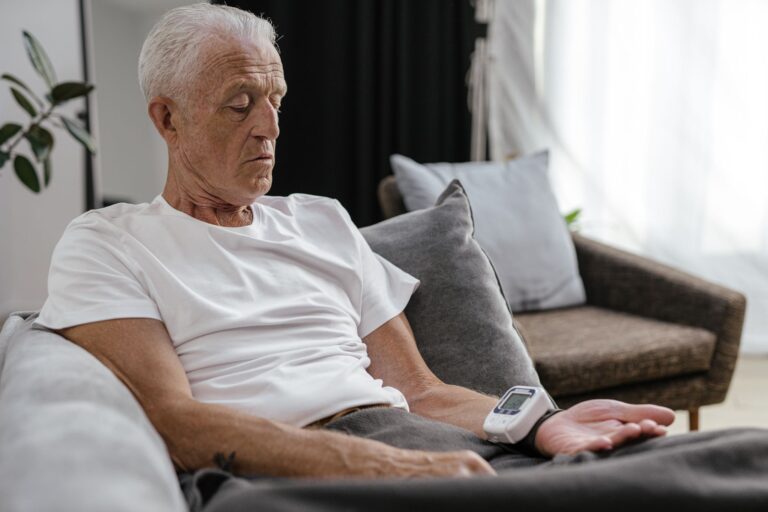
Keep detailed records of blood pressure readings if they’re taking blood pressure medications, and share these with their neurologist or primary care doctor every month—vascular dementia care requires active medical management, not passive observation. If readings are running high or if you notice new symptoms like facial drooping, arm weakness, or slurred speech, contact their doctor immediately; these are potential stroke signs and need urgent evaluation. For someone with diabetes, part of your role may be checking blood sugar and ensuring insulin or oral medications are taken on time, since even small fluctuations can affect cognition and increase stroke risk. The limitation here is that you cannot force perfect medication adherence if the person refuses—only educate them on the consequences and document what you observe.
Communicating Clearly When Language or Reasoning Is Affected
Vascular dementia often damages the areas of the brain responsible for planning, reasoning, and speech, so communication becomes one of your most important tools and most frustrating challenges. Use short sentences with concrete words, ask yes-or-no questions instead of open-ended ones, and allow extra time for processing—someone might need 10-15 seconds to understand a question and formulate a response. Instead of “What do you want for lunch?” try “Do you want soup or a sandwich?” and then wait without interrupting. When they become frustrated or angry—which is common and often a sign of cognitive overload—acknowledge the feeling (“I see you’re upset”) without arguing about facts they’ve forgotten or misunderstood.
Trying to convince someone with advanced vascular dementia that they already had breakfast is usually futile and often escalates tension; instead, a simple response like “Let’s have a snack” often redirects without conflict. A comparison: this approach is very different from talking to someone with depression or anxiety, where reasoning and logic often help. With dementia, logic and facts often backfire, and emotional validation works better. This means you’re also changing how you relate to the person—less as a peer who can be reasoned with, more as a guide who helps them feel safe even when they’re confused.
Recognizing Behavioral Changes and Emotional Challenges
Vascular dementia frequently causes depression, apathy, or sudden mood shifts because the cognitive damage affects brain regions that regulate emotion. Someone might become withdrawn and stop participating in activities they once enjoyed, or they might become irritable and react angrily to minor frustrations. These are not character flaws or willful behavior—they’re symptoms of brain damage—so responding with patience and without taking the anger personally is essential. Watch for signs of depression, including loss of interest, changes in sleep or appetite, or expressions of hopelessness.
If these persist, discuss them with their doctor; depression is often treatable with medication, and treatment can improve quality of life significantly. A warning: leaving depression untreated in someone with vascular dementia can accelerate decline and increase risk of another stroke. Also monitor for signs of pain or physical discomfort that they cannot verbalize clearly—someone who becomes agitated or withdrawn might actually have a urinary tract infection, pain from constipation, or other treatable conditions that affect mood and behavior. This is why regular check-ins with their primary care doctor, even if cognition seems stable, are so important.
Building a Sustainable Support Network
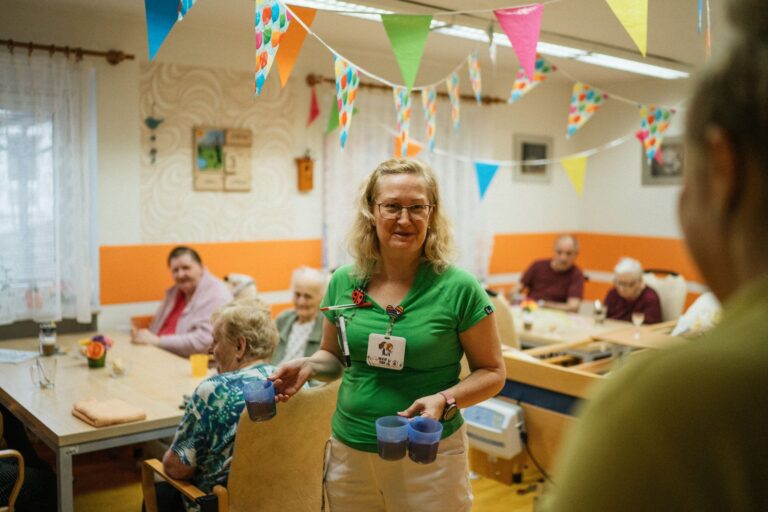
Caregiving for someone with vascular dementia is exhausting, and trying to do it entirely alone often leads to caregiver burnout, missed details, and eventually substandard care. Start by identifying family members or friends who can provide respite—someone who can stay with your loved one for a few hours weekly so you can rest, run errands, or attend to your own health. Adult day programs, where the person spends several hours daily in a supervised setting with activities and peers, can provide both respite and cognitive engagement.
Consider hiring in-home help, even part-time—a home health aide for a few hours a week can handle bathing, grooming, or household tasks, freeing you for the cognitive and emotional work of caregiving. Support groups for dementia caregivers, offered by the Alzheimer’s Association or local senior centers, provide both practical advice from others in similar situations and emotional validation. An example: one caregiver in a support group learned that taking one afternoon per week for herself reduced her stress enough to handle her father’s behavioral episodes more calmly, which in turn reduced his agitation—a small investment in respite had ripple effects on his functioning.
Monitoring Decline and Planning for Later Stages
Vascular dementia often has an unpredictable course, with sudden changes following small strokes rather than steady gradual decline. This means you need to reassess their safety and needs regularly—what was manageable two months ago (independent bathing, going to the bathroom alone) may no longer be safe after a new stroke. Keep notes on cognitive and functional changes so you can report them accurately to their doctor and recognize patterns.
For example, if you notice they’re having trouble dressing or forgetting to eat lunch, these are signals that supervision or more hands-on help is needed. Discuss future care planning with them while they still have capacity to express preferences—whether they’d want to stay home with increasing in-home support, move to a facility, or receive hospice care if their condition advances severely. Document any written wishes in a healthcare power of attorney or advance directive, because there will come a time when they can no longer make medical decisions. As their disease progresses, your role shifts from caregiver-as-partner to caregiver-as-guardian, and that shift is emotionally wrenching but necessary for their safety.
- —
Frequently Asked Questions
How quickly does vascular dementia progress?
Vascular dementia progresses unpredictably—some people have a sudden major stroke and lose function rapidly, others have slow decline punctuated by small sudden changes. On average, survival is 5-7 years after diagnosis, but this varies widely based on the severity of strokes and how well underlying vascular risk factors are managed.
Can I prevent further strokes while caring for someone at home?
Yes—keeping blood pressure controlled (usually below 130/80), ensuring medications are taken, managing blood sugar if diabetic, and preventing falls all reduce stroke risk. This is the most powerful intervention you have, and regular monitoring with their doctor is essential.
What should I do if I think they’re having a stroke?
Call 911 immediately. Stroke symptoms include facial drooping, arm weakness, slurred speech, trouble walking, or sudden confusion. Time is critical—treatment works best within the first few hours of symptom onset.
Is it safe for them to be alone?
It depends on their stage and the specific hazards. Early-stage vascular dementia might allow a few hours alone, but later stages require continuous supervision. Install monitoring systems, remove hazards, and have a clear safety plan. When in doubt, arrange for supervision.
How do I handle confusion or accusations?
Don’t argue about facts or try to logic them out of delusions—this usually escalates conflict. Instead, validate their emotion, redirect to a concrete activity, and move on. If accusations or confusion are severe or distressing, discuss with their doctor about whether medication adjustments might help.
Should I tell them about their diagnosis?
Most people benefit from knowing, at least in simple terms, especially while they retain capacity to understand. This allows them to express preferences and maintain some autonomy. How much detail to share depends on their emotional state and how they respond to difficult information.