Stroke is one of the leading causes of disability and death in the United States, killing roughly one person every 3.5 minutes, according to the CDC. For caregivers of someone with dementia, the risk becomes even more pressing: people with dementia have a 50% higher stroke risk than the general population, and cognitive impairment itself can mask the early warning signs that might otherwise prompt immediate medical attention. Caregivers need to understand not just how to recognize a stroke, but how to reduce the likelihood one occurs in the first place—through blood pressure management, medication compliance, and lifestyle monitoring that often falls directly on the caregiver’s shoulders.
The practical reality is that prevention is not a single action but a continuous effort. You cannot eliminate stroke risk entirely, but you can meaningfully lower it by addressing modifiable factors: hypertension control, medication adherence, monitoring for atrial fibrillation, reducing smoking exposure, and maintaining physical activity. For someone with dementia, where communication barriers and confusion can complicate both symptom recognition and preventive care, the caregiver becomes the frontline defense—watching for subtle behavioral changes, ensuring medications are taken correctly, and knowing when to call emergency services.
Table of Contents
- Why Do People With Dementia Face Higher Stroke Risk?
- Understanding the “FAST” Warning Signs and Their Complications in Dementia
- Medication Adherence as Prevention
- Monitoring Blood Pressure and Using Home Monitoring Wisely
- Recognizing and Addressing Atrial Fibrillation
- Lifestyle Factors Within the Caregiver’s Control
- Working With Your Doctor and Building a Prevention Plan
Why Do People With Dementia Face Higher Stroke Risk?
The relationship between dementia and stroke runs both directions. Stroke can trigger or accelerate cognitive decline, but dementia itself—particularly vascular dementia—increases the likelihood of future strokes. Research published by the Stroke Association indicates that people with dementia have twice the risk of falls, which can lead to injuries that raise inflammation and clotting risk. Additionally, dementia disrupts the person’s ability to self-manage prevention: they may forget to take blood pressure medications, refuse to take medications because they don’t remember why they need them, or fail to report chest pain or dizziness to anyone.
Atrial fibrillation (AFib), an irregular heart rhythm, is present in roughly 15-20% of stroke cases and is more common in older adults and those with dementia. Unlike a sudden dramatic heart attack, AFib is often silent—the person feels nothing abnormal. This is where the caregiver’s role becomes critical: you may be the only person who notices a pattern of confusion, fatigue, or shortness of breath that could signal AFib. Without detection and treatment (usually anticoagulant medication), AFib dramatically raises stroke risk.
Understanding the “FAST” Warning Signs and Their Complications in Dementia
The standard stroke warning signs are captured by the acronym FAST: Face drooping, Arm weakness, Speech difficulty, and time to call 911. These signs are real and serious, but they can be harder to spot in someone with dementia. A person with advanced dementia may already have speech difficulty from their baseline condition, making it harder to distinguish a new stroke-related change. Facial drooping might be subtle. Arm weakness could be mistaken for the general decline associated with dementia or lack of physical activity.
The timing complication is especially critical: there is a three-hour window (sometimes extended to four-and-a-half hours with certain medications) in which clot-busting drugs can be administered to reverse an ischemic stroke. Every minute matters—delays of even 30 minutes can result in significantly worse outcomes. A caregiver who hesitates to call 911 because they’re unsure whether the person has had a real stroke or is simply having a “dementia day” has already lost precious time. The rule is simple: if you’re unsure, call 911 immediately. Hospitals can quickly rule out stroke with imaging; the cost of a false alarm is nothing compared to the cost of a missed stroke.
Medication Adherence as Prevention
The single most modifiable stroke risk factor is blood pressure control, and the single most common reason blood pressure control fails is missed or incorrectly taken medication. Antihypertensive medications—ACE inhibitors, beta-blockers, calcium channel blockers, and others—only work when they’re actually taken. For someone with dementia, the caregiver typically manages the medication schedule, either by filling a pill organizer, administering medications directly, or checking that the person took what was prescribed. A real example of how this fails: a person with mild cognitive impairment is prescribed lisinopril for high blood pressure. They live alone or with a part-time caregiver.
They forget whether they took the pill, so they take it twice. Or they feel well and assume they don’t need it anymore, so they skip doses. Blood pressure climbs silently over weeks. Six months later, they have a stroke. The caregiver who catches this early—by checking a pill organizer, asking the doctor for a blister-pack format that makes compliance obvious, or switching to a once-daily formulation—can prevent that outcome.
Monitoring Blood Pressure and Using Home Monitoring Wisely
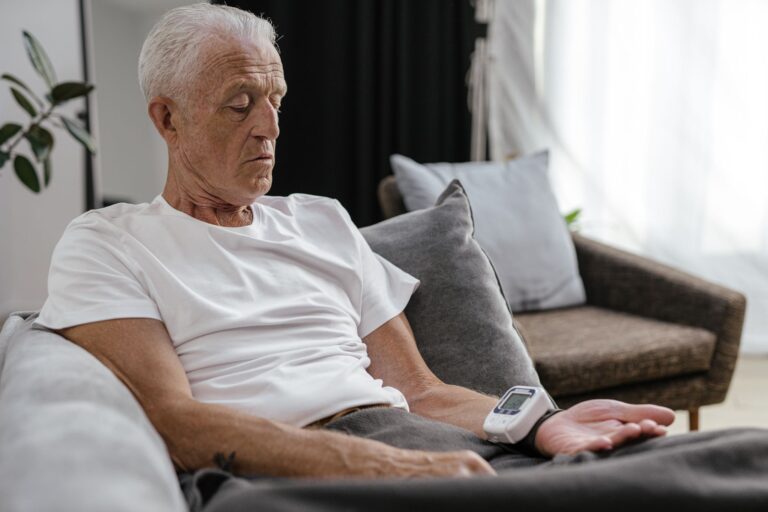
Home blood pressure monitoring is more informative than office readings for predicting stroke risk, yet many caregivers and patients don’t use it systematically. A home monitor costs $30-80 and can be used daily, creating a real-time picture of whether medications are working. The limitation is that home monitoring works only if readings are recorded and shared with the doctor.
A caregiver who buys a monitor but never looks at the results or never mentions elevated readings to the physician gains nothing. Effective home monitoring means checking pressure at the same time each day (morning is standard), using the same arm, sitting with feet flat for five minutes before checking, and recording results where they won’t be lost—a notebook, a smartphone app, or an email to the doctor. If you notice a pattern of readings above 140/90 mm Hg (the threshold for Stage 2 hypertension), bring this to your doctor’s attention. The tradeoff is between the effort of daily monitoring and the very real prevention benefit: each 10 mm Hg reduction in systolic blood pressure reduces stroke risk by approximately 15%.
Recognizing and Addressing Atrial Fibrillation
Atrial fibrillation often has no symptoms—that’s the danger. A person might have AFib for months or years without knowing it, steadily accumulating clot risk. Occasionally, though, there are signs: irregular heartbeat (which the caregiver might notice if they’re checking a pulse), shortness of breath, fatigue, or episodes of dizziness. Some people report palpitations (a fluttering feeling in the chest), but many don’t. The screening tool caregivers can use is simple pulse-checking.
Place two fingers (index and middle) on the wrist (radial artery, on the thumb side) and count beats for 60 seconds. A normal heart rate is 60-100 beats per minute and regular—like a steady drumbeat. An irregular rhythm (beats that don’t follow an even pattern) or a rate below 60 or above 100 warrants a doctor visit. Many modern smartwatches and blood pressure monitors also include AFib detection, though these are imperfect and not a substitute for medical evaluation. The limitation of home pulse-checking is that it can’t definitively diagnose AFib—only an EKG can—but it can raise suspicion and prompt testing.
Lifestyle Factors Within the Caregiver’s Control
Physical activity reduces stroke risk by improving cardiovascular function, lowering blood pressure, and helping maintain healthy weight. For someone with dementia, the caregiver often determines whether that person gets exercise. This might mean going for daily walks together, participating in a chair-based exercise class, or simply ensuring the person stays mobile around the house rather than spending the entire day in a chair. Even moderate activity—a 20-30 minute walk, most days of the week—reduces stroke risk.
Sedentary people face roughly double the stroke risk of active people. Smoking cessation is equally urgent. If the person with dementia still smokes, or if someone in the household smokes around them, secondhand smoke exposure increases their stroke risk. A caregiver may not be able to force someone with dementia to quit smoking—that’s a difficult behavioral change—but reducing access to cigarettes, encouraging a gradual taper, and eliminating secondhand smoke exposure in shared spaces are all protective steps.
Working With Your Doctor and Building a Prevention Plan
Prevention is a team effort between you, the person you’re caring for, their primary care doctor, and any specialists (cardiologist, neurologist) involved in their care. A formal prevention plan should include regular blood pressure monitoring, medication review (ensure everything prescribed is actually being taken), screening for AFib if risk factors are present, and a conversation about what warning signs you should watch for.
Write down the warning signs and post them somewhere visible—your refrigerator, the bathroom mirror, your phone home screen—so that in a moment of confusion or urgency, you don’t have to remember. Bring your home blood pressure log to appointments. Ask the doctor directly: “What is the target blood pressure for this patient?” “How often should we check heart rhythm?” “Are there any signs or symptoms I should watch for between visits?” “If I think there’s a stroke happening, what number do I call?” These answers, written down, become your action plan.
- —