Reviewed by the Help Dementia Editorial Team — our editors review every article for accuracy against guidance from the National Institute on Aging, the Alzheimer’s Association, and peer-reviewed sources.
Wearing helmets sits at the center of this dementia and brain health question.
Helmets are one of the most underutilized tools we have for protecting brain health, yet their impact rivals or exceeds what most medications can achieve. While medications like statins and blood pressure reducers are prescribed to millions for disease prevention, helmets offer something medication cannot: immediate, tangible protection against the sudden trauma that damages the brain in a single moment. A single head injury—from a fall, a bicycle accident, or a motor vehicle crash—can accelerate cognitive decline, increase dementia risk, and trigger a cascade of neurological problems that no pill can fully reverse. The prevention that a helmet offers before injury occurs is fundamentally different from, and arguably more powerful than, managing disease after it has developed.
When you fall off a bicycle without a helmet at age 65, your brain hits hard against the inside of your skull, and in that fraction of a second, neural connections rupture, inflammation spreads, and cell death begins. A helmet reduces your risk of traumatic brain injury by 53 to 88 percent in such moments. No medication can rewind time after such an injury. Yet despite this stark reality, only 18 percent of cyclists wear helmets, and many people dismiss them as inconvenient accessories rather than essential medical protection. For those concerned about brain health and dementia prevention, this is a critical gap in understanding what actually works.
Table of Contents
- How Helmets Prevent Traumatic Brain Injury Better Than We Once Thought
- The Evidence Is Overwhelming, But Helmets Cannot Prevent Everything
- Head Injuries and Dementia: The Long-Term Connection
- Choosing and Actually Using the Right Helmet
- Common Myths That Undermine Helmet Use
- Age and Brain Vulnerability: Why Older Adults Need Helmets Most
- The Future of Brain Protection and Helmet Innovation
- Conclusion
How Helmets Prevent Traumatic Brain Injury Better Than We Once Thought
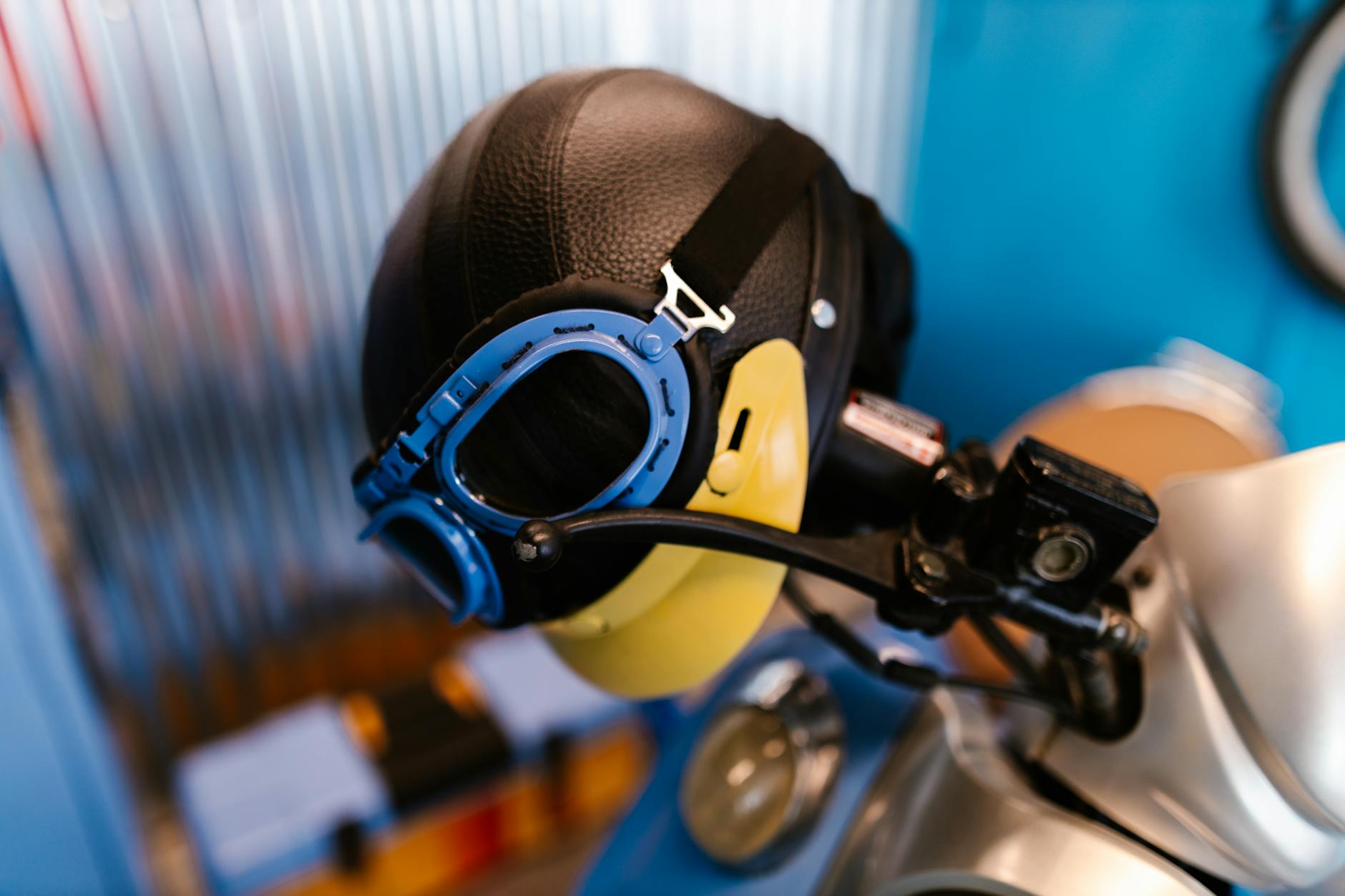
The protective power of helmets goes far beyond what most people realize. Research from the American Academy of Pediatrics shows that helmets reduce the risk of head injury by 48 to 60 percent across bicycling and recreational activities. But the most striking finding involves traumatic brain injury specifically: helmets reduce TBI risk by 53 to 88 percent, with a meta-analysis demonstrating an 88 percent reduction in brain injury overall and a 75 percent reduction in serious brain injury. To put this in perspective, a cyclist struck by a car without a helmet might suffer a severe TBI requiring months of rehabilitation. That same cyclist wearing a helmet might walk away with a concussion or minor injury instead. The data extends beyond cyclists. Motorcycle riders who wear helmets experience a 37 percent reduction in death risk and a 41 percent reduction for passengers.
Their risk of head injury drops by 69 percent. For ATV riders, helmet use reduces death risk from head injury by approximately 40 percent. These are not marginal improvements—they are profound reductions in catastrophic injury. The CDC estimates that in 2017 alone, $8.9 billion in comprehensive costs could have been saved if all motorcycle riders had worn helmets. That figure includes medical care, lost productivity, and long-term disability costs for brain injuries that helmets would have prevented. Another important metric: helmeted cyclists who do experience crashes have significantly lower rates of ICU admission. Only 25 percent of helmet-wearing cyclists required ICU admission for traumatic brain injury, compared to 36 percent of those without helmets. This 11-percentage-point difference represents the difference between going home and spending weeks in intensive care—and the difference between mild cognitive effects and permanent disability.
The Evidence Is Overwhelming, But Helmets Cannot Prevent Everything
The evidence supporting helmet use is among the strongest in injury prevention science, backed by the CDC, the American Academy of Pediatrics, and decades of epidemiological research. Yet a crucial limitation exists that few people understand: no helmet design has been proven to prevent concussions. Concussions are a specific type of brain injury caused by acceleration-deceleration forces that shake the brain inside the skull. A helmet protects against linear impacts and penetrating injuries, but the rotational forces that cause concussions are harder to mitigate with current technology. This does not mean helmets are less valuable for brain health—it means they prevent a different category of injury. A helmet stops you from fracturing your skull, bleeding into your brain, and suffering a severe traumatic brain injury.
A concussion is still a serious injury, but it is qualitatively different and usually less immediately catastrophic. The person who suffers a helmet-prevented impact might have a concussion and headaches for weeks; the person who took that same impact without a helmet might have a subdural hematoma and require emergency surgery. Both outcomes are bad, but one is far worse. For people concerned about long-term brain health and dementia risk, this distinction matters enormously. Repeated head impacts—even those that result in concussions—have been linked to chronic traumatic encephalopathy and earlier cognitive decline. By preventing the severe impacts that helmets excel at stopping, you reduce both the immediate catastrophic injury risk and, likely, the cumulative burden on your brain from having to recover from major trauma. A helmet will not solve every brain protection problem, but it solves the largest, most preventable one.
Head Injuries and Dementia: The Long-Term Connection
The connection between head injury and dementia is increasingly clear in neuroscience research. A single moderate to severe traumatic brain injury increases long-term dementia risk. Multiple head injuries compound this risk substantially. For older adults especially, this is not a theoretical concern—falls are the leading cause of injury-related death in people over 65, and the head is frequently the site of injury in these falls. A person who suffers a fall-related head injury in their 60s or 70s faces both immediate recovery challenges and increased dementia risk over the following decades. Consider the real-world scenario of a 70-year-old who falls off a bicycle. Without a helmet, a 48-60 percent chance of head injury becomes likely. That head injury might be classified as mild, but mild traumatic brain injury still involves swelling, micro-tears in neural tissue, and inflammatory cascades that last for months.
Over years and decades, such injuries accumulate. With a helmet, that same fall might result in no head injury at all, or at worst a very minor one. The person who wears a helmet throughout their 60s, 70s, and 80s, having numerous close calls but always protected, experiences a fundamentally different brain aging trajectory than someone who sustains multiple unprotected impacts. This is where the comparison to medication becomes stark. Dementia-prevention medications—if they exist and work—operate at the level of slowing protein accumulation or reducing inflammation. But a head injury accelerates these pathological processes acutely. Prevention through helmet use operates upstream: it stops the acute injury that triggers years of secondary decline. A statin might reduce your dementia risk by 10 or 15 percent; a helmet can prevent the 50 percent risk increase that comes with a single severe head injury.
Choosing and Actually Using the Right Helmet
Helmet effectiveness depends critically on proper fit and consistent use. A helmet that sits too high on the forehead or too far back on the head provides inadequate protection. The helmet should sit level on your head, covering your forehead, and the straps should be snug enough that you cannot move the helmet side to side or forward and backward. Many people own helmets but wear them inconsistently, defeating their protective purpose. This is where the real challenge lies: not the helmets themselves, but human behavior and habits. The good news is that helmet technology has improved substantially. Modern helmets are lighter, more comfortable, and more stylish than those of 20 years ago.
Bicycle helmets designed for adults are available in countless styles and colors, and the premium for a quality helmet over a poor one is modest—$50 versus $150 is a real difference but not prohibitive. For motorcycle riders and ATV enthusiasts, investing in a DOT-certified or ECE-certified helmet is non-negotiable and offers far better protection than cheap alternatives. The question is not whether a good helmet exists for your activity, but whether you will commit to wearing it consistently. There is also a tradeoff worth acknowledging: helmets do restrict peripheral vision slightly and can feel warm in summer heat. Some people find straps uncomfortable or feel self-conscious wearing a helmet. These are real barriers to adoption, which is why only 18 percent of cyclists wear helmets despite the evidence. Addressing brain health protection means confronting these behavioral realities. The most protective helmet ever designed offers zero protection if it stays in your garage.
Common Myths That Undermine Helmet Use
A persistent myth holds that helmets cause neck injuries by adding weight or changing the center of gravity. This claim does not hold up under scrutiny. Modern helmets weigh 250 to 400 grams—roughly the weight of a banana or a stick of butter. No biomechanical study has found evidence that this modest weight increases neck injury risk in crashes. If anything, the protection of the head and brain from severe injury far outweighs any hypothetical neck stress from helmet weight. Another myth suggests that helmets are primarily cosmetic or designed to make people feel safer without actually reducing injury.
This is demonstrably false given the evidence cited above: helmets reduce head injury risk by nearly half and traumatic brain injury risk by up to 88 percent. These are not marginal benefits. They are among the largest protective effects available for any form of injury prevention. A more insidious misconception is that helmets enable people to take more risks—that protective equipment encourages recklessness. This is sometimes called risk compensation, and while it can occur in theory, research on helmet use does not support the idea that it substantially increases risk-taking behavior. More importantly, even if some people ride more aggressively with a helmet, the protection offered is so large that it likely outweighs any modest increase in exposure. The math still strongly favors helmet use.
Age and Brain Vulnerability: Why Older Adults Need Helmets Most
Older brains are more vulnerable to injury than younger ones. Brain atrophy—the age-related shrinkage of brain tissue—creates more space inside the skull, allowing the brain to move more freely during impacts. This increases the risk of tearing blood vessels and damaging neural tissue. A head injury that might cause a mild concussion in a 25-year-old can cause a serious intracranial bleed in a 75-year-old. Additionally, older adults often take blood thinners for heart disease or stroke prevention, which increases bleeding risk after head injury.
The picture becomes even more urgent when you consider cognitive reserve. Younger people can often recover substantial function after head injury because they have more cognitive reserve—extra neural connections and processing capacity. Older adults, especially those with existing mild cognitive impairment or early dementia, have less reserve. An injury that might leave no permanent trace in a younger person could tip an older person over the threshold into noticeable cognitive decline or accelerate existing dementia progression. For this reason, helmet use becomes progressively more important as you age, not less.
The Future of Brain Protection and Helmet Innovation
Helmet technology continues to evolve. Researchers are developing helmets with better impact absorption, materials that dissipate rotational forces more effectively, and sensors that can detect impacts and prompt medical evaluation. Some labs are exploring whether future helmets might better protect against concussions—the one major category of brain injury that current helmets cannot prevent. These innovations are valuable and worth supporting, but they should not delay action today with existing technology.
The most important insight from helmet research is simple: we already have the technology to prevent the majority of head injuries from the most common causes of trauma. Bicycles, motorcycles, falls, and recreational activities injure millions of brains every year, and we can prevent most of this damage with a $100 piece of equipment and the decision to use it consistently. For those serious about brain health and dementia prevention, this is not optional—it is foundational. No medication will ever replace what a helmet does in the moment of impact.
Conclusion
Helmets matter more than medication for brain health because they prevent the acute injuries that medications cannot repair. A medication can slow the progression of established disease, but a helmet prevents the traumatic injury that accelerates cognitive decline. Given that helmets reduce head injury risk by 48-60 percent and traumatic brain injury risk by up to 88 percent—with substantial reductions in ICU admission and death—dismissing them as optional is indefensible from a medical perspective. The evidence is clear, the technology is proven, and the cost is minimal. The challenge now is behavioral and cultural.
Wearing a helmet consistently, especially as an adult, requires shifting how we think about risk and normalcy. It means making brain protection as automatic as locking your car or brushing your teeth. For anyone concerned about dementia prevention, long-term cognitive health, or protecting the brain they depend on, helmet use should be as standard as any medication regimen. Start with proper fit, make it a non-negotiable habit, and extend the protection to family members and anyone you care about. The investment in a helmet today is an investment in cognitive clarity and independence decades from now.
You Might Also Like
- Why wearing helmets Matters More Than Medication for Brain Health
- Why wearing hearing aids Matters More Than Medication for Brain Health
- Why wearing hearing aids Matters More Than Medication for Brain Health
For more, see Alzheimer’s Association — medical tests.