Reviewed by the Help Dementia Editorial Team — our editors review every article for accuracy against guidance from the National Institute on Aging, the Alzheimer’s Association, and peer-reviewed sources.
Wearing hearing sits at the center of this dementia and brain health question.
Hearing aids outperform medication for protecting brain health in ways that most people—and some doctors—don’t yet fully understand. While medications like those for hypertension or high cholesterol manage individual risk factors, hearing aids address a fundamental threat to cognitive function: untreated hearing loss forces your brain to expend enormous cognitive resources just to decode speech and sound. The ACHIEVE Study demonstrated that older adults at high risk for dementia who used hearing aids experienced nearly a 50% reduction in cognitive decline over three years. This is not incremental improvement. This is a dramatic slowdown of the very process that leads to dementia.
The evidence extends beyond a single study. A seven-year follow-up study found that people prescribed hearing aids had a 33% lower dementia risk compared to those not prescribed them. Meanwhile, research from Johns Hopkins School of Public Health on 573,088 people showed that untreated hearing loss increases dementia risk by 7 percentage points. The World Health Organization added hearing aids to its dementia prevention recommendations in 2024—placing them alongside cardiovascular health and cognitive stimulation as cornerstones of brain protection. Hearing aids are not a treatment for dementia. They are prevention, and they work.
Table of Contents
- How Hearing Aids Protect the Brain Better Than Many Medications
- The Hidden Cognitive Cost of Untreated Hearing Loss
- How the Brain Recovers When Hearing Loss Is Addressed
- Hearing Aids vs. Medication: A Framework for Thinking About Prevention
- Barriers to Hearing Aid Use and Why They Matter for Brain Health
- The Science Behind Brain Preservation
- The Future of Hearing and Brain Health Prevention
- Conclusion
How Hearing Aids Protect the Brain Better Than Many Medications
The reason hearing aids outperform medication in some contexts is rooted in brain physiology, not marketing. When hearing loss goes untreated, the brain redirects significant cognitive capacity toward the struggle to understand sound and speech. This isn’t a small background drain—it’s a major reallocation of the same neural resources needed for memory, attention, and complex thinking. Harvard Health researchers have documented this mechanism extensively. A brain working overtime to decode audio input has less capacity left for memory consolidation, problem-solving, and executive function. This explains why people with untreated hearing loss show accelerated cognitive decline even when their cardiovascular health and medication regimens are excellent. Hearing aids interrupt this cycle by delivering clearer audio directly to the brain, eliminating the cognitive tax. Unlike antihypertensive medication or statins—which work passively on your vasculature—hearing aids restore function.
A 70-year-old woman with early-stage hearing loss and a family history of dementia might take three medications for blood pressure and cholesterol management, following all recommendations perfectly, while her untreated hearing loss slowly erodes her cognitive reserves. The moment she begins using hearing aids, her brain recovers access to cognitive resources previously consumed by the listening struggle. MRI studies show that hearing aid users maintain significantly greater gray matter volume in auditory and cognitive processing areas compared to non-users—a structural preservation that directly correlates with better thinking and memory. The research also suggests timing matters enormously. A 25-year follow-up study found that adopting hearing aids within three years of diagnosis provided significantly better cognitive protection than delayed treatment. People who waited five, ten, or fifteen years to address hearing loss missed a critical window when intervention could have prevented cognitive changes at the structural level. This contrasts with how we typically think about medication: taking a blood pressure pill ten years late still helps, to some degree. With hearing aids, delay appears to cause irreversible cognitive consequences.
The Hidden Cognitive Cost of Untreated Hearing Loss
Untreated hearing loss creates a unique cognitive burden because listening is effort—constant, invisible effort. Imagine every conversation requiring 40% more mental energy than it should. This is the daily reality for someone with moderate hearing loss who hasn’t been fitted with hearing aids. The prefrontal cortex, responsible for memory and executive function, must split its attention between understanding what’s being said and actually processing the meaning. Over months and years, this chronic strain appears to accelerate cognitive decline. The limitation worth acknowledging: hearing aids help most for people with sensorineural hearing loss (damage to the inner ear or nerve), which accounts for the majority of age-related hearing loss. For people with purely conductive hearing loss (problems with the middle ear) or central auditory processing disorder, hearing aids may be less effective or require different approaches. Additionally, the cognitive benefits of hearing aids are not immediate.
The brain needs time—typically weeks to months—to re-learn how to process sound through amplification. Some people experience improved cognition within weeks; others need several months of consistent use before neural patterns shift. The research also reveals a troubling gap: most people with hearing loss don’t use hearing aids, and even among those prescribed them, many don’t wear them consistently. A person prescribed hearing aids but using them only occasionally won’t achieve the 50% reduction in cognitive decline seen in the ACHIEVE Study. The brain needs consistent auditory input to preserve cognitive reserve. It’s not enough to own the device; the device must be worn daily, in most listening environments. This behavioral requirement is a limitation that medication doesn’t face—you take a pill, it works whether you remember why or not. Hearing aids require active engagement.
How the Brain Recovers When Hearing Loss Is Addressed
When someone begins using properly fitted hearing aids after years of hearing loss, changes begin at the neurological level. The auditory cortex, which had adapted to missing or distorted sound, starts receiving clearer input. The prefrontal cortex, no longer consumed by the effort to decode speech, can redirect resources toward memory encoding and higher-order thinking. This isn’t metaphorical—functional MRI studies show measurable changes in brain activation patterns within weeks of hearing aid use. Consider a 68-year-old man with untreated moderate-to-severe hearing loss who retired three years ago. His family noticed he’d become quieter in group settings, struggled to follow television without subtitles, and seemed less engaged in conversations. His doctor tested his memory and found mild cognitive impairment—exactly what we’d expect given his untreated hearing loss.
Once fitted with hearing aids and using them consistently, his cognitive test scores improved within three months. His family reported he was more talkative, more engaged, and better at remembering recent conversations. His brain hadn’t been failing; it had been overloaded. The brain’s capacity to recover is also time-sensitive. The 25-year follow-up study mentioned earlier found that people who adopted hearing aids within three years of diagnosis showed significantly better long-term cognitive outcomes than those who waited longer. The implication is sobering: years of untreated hearing loss may cause structural changes—actual loss of gray matter in regions critical for cognition—that hearing aids cannot fully reverse. Early intervention doesn’t just slow cognitive decline; it may prevent the kind of neurological change that becomes irreversible.

Hearing Aids vs. Medication: A Framework for Thinking About Prevention
The question “hearing aids or medication?” presents a false choice. The real question is: which prevention strategies address which risks? Someone with high blood pressure absolutely needs medication; untreated hypertension drives cognitive decline through vascular damage. Someone with hearing loss absolutely needs hearing aids; untreated hearing loss drives cognitive decline through a different mechanism. In an ideal world, a person at risk for dementia addresses both. However, in the real world, resources, access, and priorities differ. A hearing aid fitting involves multiple appointments, cost (often $4,000–$7,000 for a quality pair, though some insurance and government programs now cover them), and ongoing adjustments. A blood pressure medication costs $10–$30 per month. If someone faces a choice, understanding the relative cognitive impact matters.
The data suggests that for someone with both untreated hearing loss and controlled blood pressure, addressing the hearing loss may offer greater cognitive protection. The ACHIEVE Study’s 50% reduction in cognitive decline is dramatic—comparable to or greater than the cognitive benefit of some medications used in dementia prevention. The tradeoff: hearing aids are also an ongoing commitment. They require maintenance, battery replacement (or charging), periodic adjustments, and consistent daily use. Medications require only adherence—taking a pill each day. Some people thrive with this tradeoff; others find the maintenance burden a genuine barrier. The research shows that when people commit to wearing hearing aids, the cognitive benefits are substantial. When they wear them inconsistently, the benefits diminish proportionally.
Barriers to Hearing Aid Use and Why They Matter for Brain Health
Hearing aids are no longer the large, conspicuous devices of previous decades—modern hearing aids are often nearly invisible. Yet stigma persists, particularly among people in their 60s and 70s who may associate hearing aids with “getting old.” This psychological barrier is significant because it directly reduces brain-protective behavior. A person who won’t wear hearing aids because of stigma is essentially choosing not to protect their cognitive future. Cost represents another substantial barrier. While some Medicare Advantage plans now cover hearing aids, traditional Medicare does not. Veterans have access through the VA, and some state Medicaid programs provide coverage, but many people face out-of-pocket costs. For someone on a fixed income, spending $5,000 on hearing aids competes with medication costs, food, and housing. This disparity creates a troubling situation: those most vulnerable to cognitive decline—older adults with limited means—face the greatest barriers to the most effective cognitive protection available.
Some audiologists and hearing aid programs now offer payment plans or lower-cost options, but access remains uneven. A third barrier is adjustment difficulty. Hearing aids amplify all sound—conversation, background noise, wind, appliances—in ways the user must learn to navigate. Some people adjust quickly and experience dramatic improvement in quality of life. Others take weeks or months to adapt, or experience ongoing frustration with background noise. The key warning: some people try hearing aids for a few weeks and abandon them because the adjustment period felt overwhelming. The cognitive benefits take time to materialize. A person who gives up on hearing aids after two weeks won’t experience the 50% reduction in cognitive decline documented in long-term studies. Early professional support and realistic expectations are critical.

The Science Behind Brain Preservation
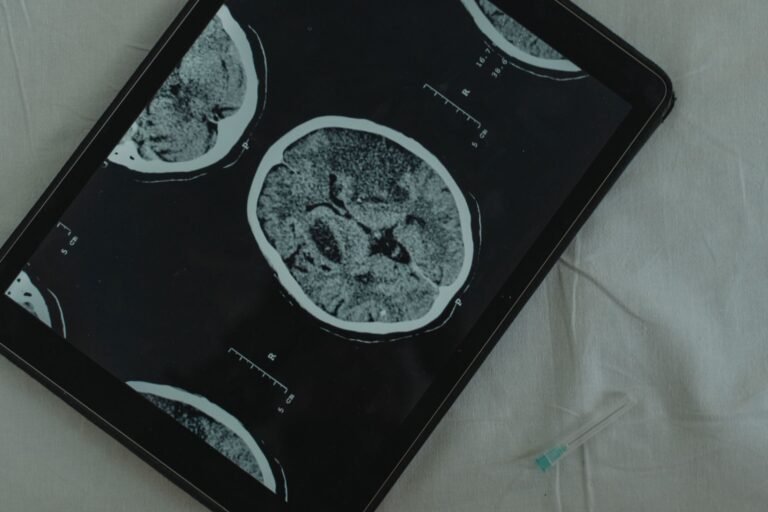
MRI studies have provided concrete evidence that hearing aid use preserves brain structure in ways that matter for cognition. Specifically, hearing aid users maintain greater gray matter volume in the auditory cortex, superior temporal lobe, and prefrontal cortex—regions critical for processing sound, understanding speech, and executive function. This isn’t just a difference in brain activation; it’s a difference in the physical structure of the brain. People who use hearing aids have more neural tissue in regions most vulnerable to cognitive decline.
The mechanism is straightforward: the brain preserves neural structure when that structure is actively used. When hearing is amplified and clear, the auditory system remains actively engaged. When hearing loss goes untreated, the auditory system receives degraded input, neural circuits adapt to sparse information, and over time, gray matter is pruned away as the brain economizes. This pruning may be reversible in the early stages of hearing loss (within the first few years), but becomes progressively harder to reverse as decades pass. It’s one reason early intervention is so powerful—the 25-year study showing better outcomes in people who adopted hearing aids within three years makes neurological sense: their brains still had the capacity to preserve or regrow tissue in critical regions.
The Future of Hearing and Brain Health Prevention
The World Health Organization’s 2024 inclusion of hearing aids in dementia prevention recommendations signals a shift in how public health approaches cognitive decline. Hearing loss has long been underestimated as a modifiable risk factor. Unlike genetics, which we cannot change, or some cardiovascular risk factors that require medication and lifestyle change, hearing loss has a straightforward solution: amplification. As hearing aid technology improves, becomes more affordable, and as more people understand the cognitive stakes, adoption rates are rising.
Looking forward, the critical question is access and equity. The cognitive protection offered by hearing aids works only for people who obtain them and use them consistently. Expanding Medicare coverage, improving affordability, and normalizing hearing aid use in healthcare conversations about brain health are essential public health priorities. For individuals, the message is clear: if you have hearing loss, protecting your brain means addressing it early. Waiting carries cognitive costs that no medication can fully reverse.
Conclusion
Hearing aids matter more than medication for brain health because they address a specific, preventable threat to cognitive reserve—the cognitive drain of untreated hearing loss. The evidence from the ACHIEVE Study, Johns Hopkins research, and neuroimaging studies is compelling: people using hearing aids experience nearly 50% reduction in cognitive decline, 33% lower dementia risk, and preserved brain structure in regions critical for memory and thinking. Unlike medications that manage risk factors indirectly, hearing aids restore function directly, immediately freeing cognitive resources previously consumed by the struggle to hear.
If you or a family member has hearing loss, the research suggests acting sooner rather than later. Early intervention—ideally within three years of noticing hearing changes—provides significantly better long-term cognitive protection. Speak with your primary care doctor about a hearing evaluation, find an audiologist experienced with cognitive health, and approach hearing aids as the cognitive preservation tool they are. Your brain’s future depends not on the medication you take, but on the sound you let in.
You Might Also Like
- Why wearing hearing aids Matters More Than Medication for Brain Health
- Why volunteering Matters More Than Medication for Brain Health
- Why volunteering Matters More Than Medication for Brain Health
For more, see Alzheimer’s Association — medical tests.