Reviewed by the Help Dementia Editorial Team — our editors review every article for accuracy against guidance from the National Institute on Aging, the Alzheimer’s Association, and peer-reviewed sources.
Helmets protect your brain more directly and reliably than most preventive medications available today. When you wear a helmet during any activity that risks head injury—cycling, motorcycling, skateboarding, or even certain recreational sports—you’re creating an immediate physical barrier that reduces brain injury by 58% to 88%, depending on the type of helmet. This isn’t a theoretical benefit or a small risk reduction; it’s measurable protection that works immediately every single time you wear it. A 2024 Norwegian trauma center study found that serious head injuries occurred in only 22% of helmeted cyclists versus 38% of non-helmeted cyclists involved in crashes. No medication targeting brain health offers this level of direct, proven protection. The comparison matters especially for aging adults concerned about dementia and cognitive decline.
While cognitive medications work through complex biological pathways—often with modest effects and delayed timelines—a helmet works instantly through physics. It absorbs impact energy before it reaches your skull. For people over 60, who face higher mortality rates from head injuries and often have multiple health conditions, this straightforward protection has profound implications. A single preventable head injury can trigger cascading cognitive problems, so helmet use becomes not just injury prevention but also dementia prevention. The reason helmets matter more than medication in this context is simple: they prevent the injury itself, while medications can only treat its aftermath. Once a serious brain injury occurs, no medication can fully reverse the damage. Prevention through helmets is therefore the highest-value intervention available for protecting brain health, making it a foundational practice that should precede or accompany any medication-based approach.
Table of Contents
- How Helmets Deliver Brain Protection More Reliably Than Preventive Medications
- The Science of Helmet Protection Versus Preventive Medications
- Real-World Evidence from Recent Clinical Studies
- Practical Helmet Strategies for Dementia Prevention and Brain Health
- What Helmets Cannot Do: Understanding Limitations
- Age-Specific Helmet Recommendations
- Building a Culture of Brain Protection Through Prevention
- Conclusion
How Helmets Deliver Brain Protection More Reliably Than Preventive Medications
The protective power of helmets is quantified precisely because of decades of epidemiological research. Bicycle helmets reduce head injuries by 60-88% and brain injuries specifically by 58% across all ages, according to comprehensive studies. Motorcycle helmets are even more protective, reducing head injury risk by 69% and death risk by 37-42% for both riders and passengers. These aren’t marginal improvements; they’re dramatic reductions in serious harm. When researchers examine hospitalization rates and surgical outcomes, the advantage of helmet use becomes even clearer. Helmeted cyclists have 64% lower odds of requiring brain surgery after a crash compared to non-helmeted cyclists.
This specific metric matters because brain surgery typically means a severe injury has occurred—the kind that causes long-term cognitive problems or permanent disability. The most recent 2024 JAMA Surgery study on e-bike riders found that riders without helmets were nearly 2x more likely to suffer head injuries, and among hospitalized e-bike riders, only 44% had been wearing helmets. This means nearly half of people seriously injured were unprotected, yet simple helmet use would have prevented many of those injuries. Medication for brain health—whether statins for cardiovascular protection, antidepressants, or cognitive enhancers—typically shows much smaller effect sizes. Most preventive medications reduce risk of a specific outcome by 15% to 35%, and they require consistent daily use, can have side effects, and often take months to show any benefit. A helmet requires one action—putting it on—and provides protection immediately.

The Science of Helmet Protection Versus Preventive Medications
Understanding why helmets outperform medications requires looking at mechanism of action. Medications work biochemically, altering brain chemistry or blood flow in ways that scientists hope will prevent decline or disease. The process is indirect, systemic, and sometimes affects the entire body when you only want to protect one organ. Helmets work mechanistically—they absorb kinetic energy from impact before it reaches your brain. When a head injury occurs, the damage happens in milliseconds. The skull stops suddenly, but your brain continues moving forward inside the skull, damaging nerve tissue through shearing forces and diffuse axonal injury. A helmet extends the collision time by fractions of a second and distributes the force over a wider area, reducing the acceleration your brain experiences.
There is no medication that can replicate this physics-based protection. However, here’s the critical limitation: helmets cannot prevent concussions. No helmet design has been proven to prevent the brain’s movement inside the skull that causes concussive injury and the associated cognitive symptoms. Helmets excel at preventing skull fractures and severe traumatic brain injuries but cannot stop the underlying mechanism that causes concussions—the brain’s inertial movement. This is an important distinction because concussions, particularly repeated concussions, are increasingly linked to long-term cognitive problems and dementia risk. Medications, by contrast, can potentially reduce some effects of previous injuries or address inflammatory processes that might worsen cognitive outcomes over time. But they cannot prevent the injury itself. This is why helmet use and medication are not competing strategies—they’re complementary, with helmets handling prevention and medications addressing recovery or other risk factors.
Real-World Evidence from Recent Clinical Studies
The most compelling evidence comes from 2024 research published in major medical journals. The Norwegian trauma center study compared outcomes for helmeted and non-helmeted cyclists admitted to the hospital after crashes. The results were striking: serious head injuries occurred in 22% of helmeted cyclists versus 38% of non-helmeted cyclists. This represents a 42% relative reduction in serious injury just from wearing a helmet. The same study looked at mortality and disability outcomes, finding that unhelmeted cyclists were approximately 3x more likely to die from head injuries. The JAMA Surgery study on e-bike riders revealed another important real-world pattern. E-bikes are becoming increasingly popular, particularly among older adults who want exercise without joint strain.
However, e-bikes can reach higher speeds than traditional bicycles, increasing crash severity. The study found that e-bike riders without helmets were nearly 2x more likely to suffer head injuries. When researchers reviewed hospitalized e-bike riders, they found that only 44% wore helmets at the time of injury. This gap between actual helmet use and potential use suggests that awareness campaigns alone are insufficient—many people face barriers to consistent helmet use, or they underestimate their risk on e-bikes specifically. For people with early cognitive concerns or family history of dementia, these statistics should feel urgent. A single severe head injury at age 65 or older can trigger or accelerate cognitive decline. Medication taken daily might reduce some disease risk by 20%, but helmet use during any recreational activity eliminates a specific source of that risk entirely.

Practical Helmet Strategies for Dementia Prevention and Brain Health
If you’re concerned about cognitive decline and want to prioritize actionable prevention, helmet use should be among your first decisions. This applies broadly: cycling, whether traditional or electric bikes, motorcycling, skateboarding, or even skiing and snowboarding. Many older adults dismiss helmet use as unnecessary because they bike casually or ride slowly. This assumption is dangerous. Serious injuries occur at low speeds too. A 2024 analysis of e-bike injuries found that many collisions involved fixed obstacles (parked cars, poles, curbs) rather than moving traffic, suggesting that speed is not the primary risk factor—the simple fact of cycling is. The practical strategy is straightforward: acquire a well-fitting helmet approved by safety standards (look for CPSC certification in the U.S., CE marking in Europe).
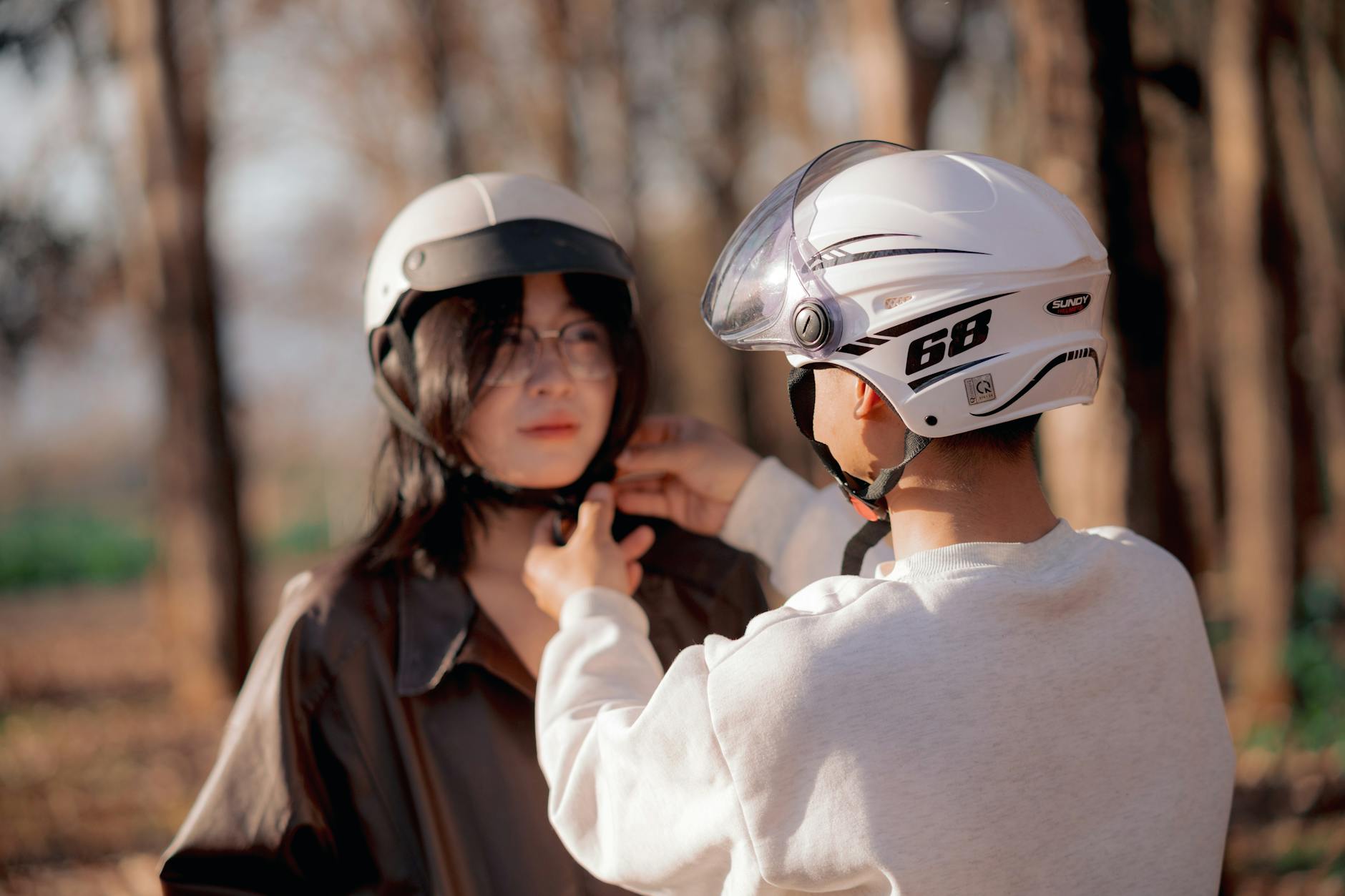
Fit matters more than brand. A helmet that doesn’t fit properly or is worn incorrectly offers less protection. Many bike shops will fit helmets for free. The comparison between this low-friction intervention and taking a preventive medication daily is stark: a helmet costs $30-150 one time and requires memory only when you grab it. A medication costs money every month, requires daily discipline, and carries potential side effects. For families managing dementia risk, consider making helmet use a family rule rather than an individual choice. This removes decision-making friction and creates peer reinforcement. If older parents wear helmets, adult children are more likely to normalize helmet use for grandchildren, preventing injury patterns across generations.
What Helmets Cannot Do: Understanding Limitations
While helmets protect extraordinarily well against skull fractures and severe traumatic brain injuries, they have a specific limitation that’s crucial to understand. No helmet design has been proven to prevent concussions. Concussions are caused by the brain’s movement and rotation inside the skull—a mechanism that occurs at lower impact levels and in ways that external foam padding cannot stop. A helmeted person can still suffer a concussion from a crash, and repeated concussions carry documented links to long-term cognitive problems and early dementia risk. This limitation is not a reason to avoid helmets—it’s a reason to use helmets while also adopting other injury-prevention strategies. For cyclists, this means riding defensively, maintaining bikes properly, avoiding dangerous routes or conditions, and considering your own physical balance and reaction time.
For older adults especially, balance and recovery speed decline with age, making falls more likely and more serious. A helmet protects you if a fall happens, but fall prevention—through strength training, balance exercises, and home safety modifications—is equally important. Additionally, helmets prevent traumatic brain injury but not the neurodegeneration that causes dementia. If dementia risk is your concern, helmet use prevents one pathway to injury-related cognitive decline but doesn’t address other risk factors like cardiovascular disease, inflammation, or amyloid accumulation. This is where medications and other interventions (exercise, cognitive engagement, sleep, diet) become important—they address different mechanisms. The correct framework is not helmets versus medication, but helmets plus medication plus exercise plus nutrition plus cognitive activity.
Age-Specific Helmet Recommendations
Different age groups face different injury risks and recover differently. For older adults over 60, head injury recovery is slower and outcomes are worse. A person aged 70 who suffers a serious head injury has higher mortality risk and greater disability burden than a 35-year-old with an identical injury. Yet older adults are less likely to wear helmets, often because they bike slowly or infrequently and don’t perceive themselves as “real cyclists.” Motorcycle helmet laws have successfully increased helmet use in many jurisdictions, reducing deaths by approximately 37-42% among riders and passengers. Bicycle helmet laws are less universal but where implemented reduce serious head injuries, including traumatic brain injuries, by up to 55%.
This public health evidence suggests that structural interventions—making helmet use the default or socially normative—are more effective than individual health messaging alone. If you’re advocating for your own helmet use or your family’s, framing it as a shared family norm rather than an individual risk preference increases compliance. For older adults with balance concerns or neurological conditions, helmet fit and comfort become especially important because discomfort reduces consistent use. Lighter helmets designed for comfort, ventilation, and minimal head rotation can make the difference between someone wearing a helmet every ride or skipping it on “safe” rides. On those “safe” rides, accidents still happen.
Building a Culture of Brain Protection Through Prevention
The most powerful evidence from helmet research is not just statistical but cultural. Communities where helmet use is normal—where children see adults wearing helmets, where bike-share programs include helmets, where helmet use is visible and expected—have dramatically higher helmet adoption rates. This cultural shift reduces injury rates population-wide, not just individually.
For dementia prevention specifically, helmet use represents one of several concrete, non-pharmaceutical actions that people can take immediately. Unlike medications that require a doctor’s prescription and months of use to show possible benefits, helmet use is autonomous, immediate, and effective. Building this habit alongside other preventive behaviors—cardiovascular exercise, cognitive engagement, sleep quality, and yes, any medications that your doctor recommends—creates a comprehensive approach to brain health that combines prevention, protection, and treatment.
Conclusion
Helmets matter more than most preventive medications for brain health because they prevent the injury itself rather than treating its complications. The evidence is clear, recent, and quantified: helmets reduce brain injuries by 58-88%, reduce serious head injury by 42%, and reduce the likelihood of requiring brain surgery by 64%. For aging adults concerned about cognitive decline and dementia risk, a single head injury can trigger or accelerate neurodegeneration. No medication offers this level of immediate, direct protection.
The practical path forward is straightforward: acquire a well-fitting helmet, make it a non-negotiable habit for any activity that risks head injury, and combine this behavior with other evidence-based prevention strategies. Helmet use is not a replacement for medication or other treatments—it’s a foundational prevention practice that should precede them. For someone serious about protecting their brain health, the decision to wear a helmet every single time should be as automatic as taking prescribed medications. The difference is that the helmet works immediately, works reliably, and requires only the discipline to remember it rather than the daily compliance burden of medication.