Reviewed by the Help Dementia Editorial Team — our editors review every article for accuracy against guidance from the National Institute on Aging, the Alzheimer’s Association, and peer-reviewed sources.
A groundswell of research now confirms what public health experts have long advocated: prevention works. Recent studies demonstrate that comprehensive preventive measures can reduce premature deaths by 40% and generate measurable economic returns—for every dollar spent on prevention, healthcare systems save between $2 and $10 in future costs. For families managing dementia risk or supporting aging relatives, this research represents tangible hope. The evidence shows that intervening early—before cognitive decline becomes advanced—is far more effective than waiting to treat disease once it develops.
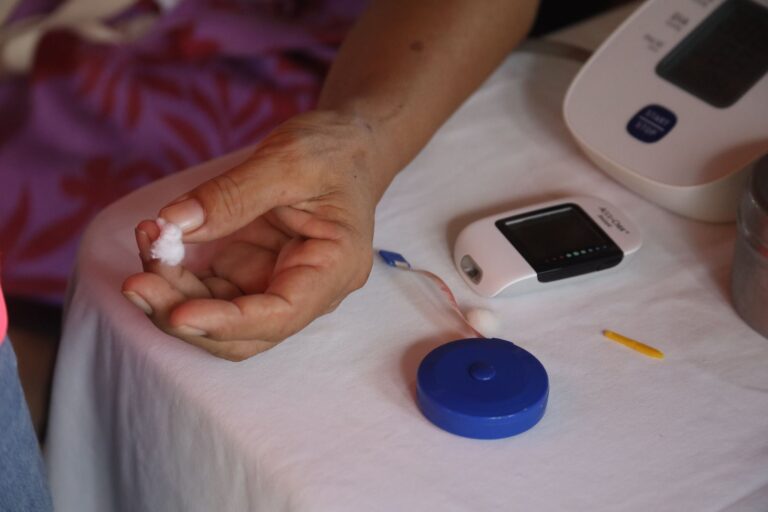
Consider the case of a 55-year-old woman who works with her doctor to manage her blood pressure, maintain a healthy weight, and monitor her blood sugar. These seemingly simple acts have been shown to reduce her risk of stroke, heart disease, and diabetes—all conditions that accelerate cognitive decline and increase dementia risk. The market reflects this shift in thinking. The global preventive medicine market is projected to grow from $454.02 billion in 2026 to $915.18 billion by 2035, a compound annual growth rate of 8.1%. This expansion signals a fundamental change in how the medical system approaches health: moving away from treating advanced disease toward catching problems early, when interventions are most effective and least costly.
Table of Contents
- What Does the Research Tell Us About Disease Prevention?
- The Hidden Cost of Preventable Illness
- Metabolic Health and Cognitive Function
- Early Detection Technologies and Biomarkers
- The Obesity Crisis and Prevention Urgency
- Digital Health Integration and Access to Prevention
- The Market Boom and What It Means for Patients
- Conclusion
What Does the Research Tell Us About Disease Prevention?
The data is stark and sobering: 71% of all global deaths are caused by noncommunicable diseases—cardiovascular disease, cancer, chronic respiratory disease, and diabetes. Each of these conditions increases the risk of cognitive decline and dementia. Yet here’s the encouraging part: between 30% and 35% of cancer cases are entirely preventable by avoiding known risk factors like tobacco use, poor diet, physical inactivity, and excessive alcohol consumption. Tobacco use alone accounts for 22% of cancer-related deaths, meaning a significant portion of cancer burden could be eliminated through behavioral change and prevention.
For dementia specifically, the prevention research is similarly compelling. Cardiovascular health, metabolic function, and cognitive reserve all influence dementia risk. A person who prevents or delays a heart attack, stroke, or diabetes diagnosis has measurably reduced their dementia risk. This isn’t theoretical—brain imaging studies show that people with uncontrolled blood pressure, diabetes, or obesity have higher rates of silent brain infarcts and white matter changes associated with vascular dementia.

The Hidden Cost of Preventable Illness
Seventy percent of healthcare costs are driven by preventable conditions. This staggering figure reveals the true burden of a reactive medical system: we spend enormous sums treating conditions that could have been avoided or significantly delayed. A person hospitalized for an acute stroke, for instance, incurs immediate costs of $20,000 to $50,000, plus ongoing rehabilitation, lost productivity, and years of potential disability. If that stroke could have been prevented through blood pressure management, medication adherence, and lifestyle change, the savings ripple across families, employers, and the entire healthcare system. The demographic reality makes this urgent.
Nearly half of all US adults are projected to live with obesity by 2030, and weight-related illness is expected to cost over $4 trillion annually by 2035. These aren’t abstract numbers—they represent millions of people struggling with conditions that accelerate aging, including cognitive aging. A significant limitation of current prevention efforts is that they remain underutilized and under-funded. Many people don’t have access to preventive services, don’t know about them, or face barriers—cost, time, transportation—that make early intervention difficult. Waiting for symptoms to appear before seeking care is far more expensive, yet it remains the default for many.
Metabolic Health and Cognitive Function
recent research has established a clear link between metabolic dysfunction and cognitive decline. Diabetes, pre-diabetes, obesity, and uncontrolled blood sugar are all associated with increased risk of Alzheimer’s disease, vascular dementia, and mild cognitive impairment. The pathway is biological: high blood sugar damages blood vessels and nerves throughout the brain; excess weight promotes inflammation; insulin resistance interferes with neuronal function. Prevention at the metabolic level is thus prevention of cognitive decline.
The introduction of GLP-1 medications like semaglutide has renewed interest in prevention at scale. Clinical trials show that these medications reduce major heart events by 14% and diabetes risk by up to 30%. For someone at high risk of both metabolic disease and cognitive decline, these reductions matter enormously. Beyond medications, emerging data on continuous glucose monitors (CGMs) and machine learning shows promise for identifying subtle dysglycemia patterns and metabolic phenotypes before traditional symptoms appear. A person might wear a CGM for a few weeks and learn, for the first time, how specific foods and activities affect their blood sugar—information that enables real behavioral change.

Early Detection Technologies and Biomarkers
The digital health era is bringing unprecedented tools for early detection. Biomarkers—inflammatory proteins, metabolic signatures, genetic risk scores—can now reveal early signs of metabolic syndrome and chronic inflammation years before disease becomes clinically apparent. Some research centers are using combinations of biomarkers to identify people at high risk of cognitive decline, even when their memory and thinking feel normal. This represents a fundamental shift: moving from asking “Do you have dementia?” to asking “What is your risk, and what can we do about it now?” Machine learning algorithms can process patterns in blood work, imaging, wearable data, and lifestyle information to generate personalized risk profiles.
The tradeoff, however, is complexity and access. These advanced tools are not yet available to everyone; they’re concentrated in academic centers and high-end medical practices. Additionally, knowing one’s risk doesn’t automatically translate to behavior change. Some people receive results showing high dementia risk and feel motivated to exercise more and improve their diet; others feel fatalistic or overwhelmed. Implementation of early detection requires not just technology but also support—coaching, social connection, treatment options—to make prevention actionable.
The Obesity Crisis and Prevention Urgency
Weight gain, particularly in midlife and beyond, accelerates many conditions linked to cognitive decline: diabetes, cardiovascular disease, sleep apnea, and inflammatory conditions. The prevalence of obesity has reached crisis levels in many developed nations, with the projection that nearly half of US adults will be obese by 2030. For dementia prevention, this is a critical concern because excess weight in middle age appears to increase dementia risk in later life, independent of other factors. The challenge is that weight loss is genuinely difficult to sustain through diet and exercise alone for most people.
This is where medications like semaglutide become relevant—they help people achieve weight loss more reliably, with accompanying cardiovascular and metabolic benefits. But a serious limitation exists: medications are not a permanent solution if lifestyle doesn’t change, and they’re expensive, out of reach for many, and dependent on continued use. A person who loses 30 pounds on semaglutide but doesn’t change their relationship to food, build muscle, or increase physical activity may regain weight once medication stops. Prevention that relies solely on medication, without addressing the underlying drivers of weight gain, is incomplete.

Digital Health Integration and Access to Prevention
Among employees and patients, annual physicals and preventive services are among the most-searched care types, signaling growing awareness that prevention matters. Digital health platforms now make it easier to access preventive screening, receive education, and track health metrics. A person can schedule a preventive visit, receive blood work results online, and access recommendations for next steps without traveling to a clinic multiple times. Yet access remains unequal.
Rural communities often lack specialist providers for detailed metabolic workups or cognitive screening. Insurance coverage for preventive services varies. Some evidence-based interventions—like cognitive training, supervised exercise programs, or intensive behavioral support—aren’t routinely covered. The promise of digital health is democratizing access; the reality is still fragmented.
The Market Boom and What It Means for Patients
The projected growth of the preventive medicine market to nearly $1 trillion by 2035 signals investment and innovation. Pharmaceutical companies, device manufacturers, health tech startups, and major hospital systems are all pouring resources into prevention products and services. This creates opportunity: new diagnostic tests, wearable technologies, telehealth platforms, and therapeutic options will emerge.
For someone concerned about dementia risk or supporting an aging parent, the landscape of available prevention tools will look dramatically different in five years. Yet growth alone doesn’t guarantee equitable access or quality. The expansion of preventive medicine must be paired with clear evidence that interventions work, transparent communication about what they can and cannot do, and systems to ensure that benefits reach people across all income and education levels. The investment boom in prevention is positive, but it requires vigilance to ensure commercialization doesn’t overshadow genuine health benefit.
Conclusion
The research supporting preventive measures is compelling and growing stronger. From the concrete economics—where every dollar spent on prevention returns $2 to $10 in savings—to the human impact of preventing stroke, heart attack, diabetes, and cognitive decline, the evidence favors early intervention. Seventy percent of healthcare costs are driven by conditions we have the tools to prevent or delay. For dementia specifically, managing metabolic health, cardiovascular risk, weight, and inflammation in midlife and early older adulthood offers real protection against cognitive decline.
The time to act on this research is now. If you’re concerned about dementia risk—whether for yourself or a family member—ask your doctor about preventive screening, your cardiovascular and metabolic health, and evidence-based interventions tailored to your risk profile. Small actions taken early, supported by new technologies and a growing evidence base, create outsized benefits over time. Prevention isn’t a guarantee, but it remains your most powerful tool.