Reviewed by the Help Dementia Editorial Team — our editors review every article for accuracy against guidance from the National Institute on Aging, the Alzheimer’s Association, and peer-reviewed sources.
Recent discoveries in dementia research are opening new pathways for treatment development, with findings about amyloid proteins, tau tangles, neuroinflammation, and genetic factors potentially reshaping how we approach care in the coming years. These aren’t theoretical possibilities—they’re already influencing clinical trials and drug development programs at major research institutions and pharmaceutical companies worldwide.
For example, the FDA approval of lecanemab (Leqembi) in early 2023 stemmed directly from decades of research into amyloid-beta’s role in Alzheimer’s disease, demonstrating how laboratory discoveries can eventually reach patients. The journey from research findings to an available therapy typically takes 10 to 15 years and involves multiple stages of testing, refinement, and regulatory approval. Understanding how these findings work their way toward treatments can help patients, families, and caregivers better evaluate their options and set realistic expectations about what new therapies might offer in the near and distant future.
Table of Contents
- How Do Research Findings Become New Dementia Therapies?
- Current Clinical Trials Based on Recent Discoveries
- Understanding the Research-to-Treatment Pipeline
- What Patients and Caregivers Should Know Right Now
- Challenges in Turning Findings Into Available Treatments
- Types of Findings Showing Recent Promise
- Looking Ahead to Future Therapy Development
- Conclusion
How Do Research Findings Become New Dementia Therapies?
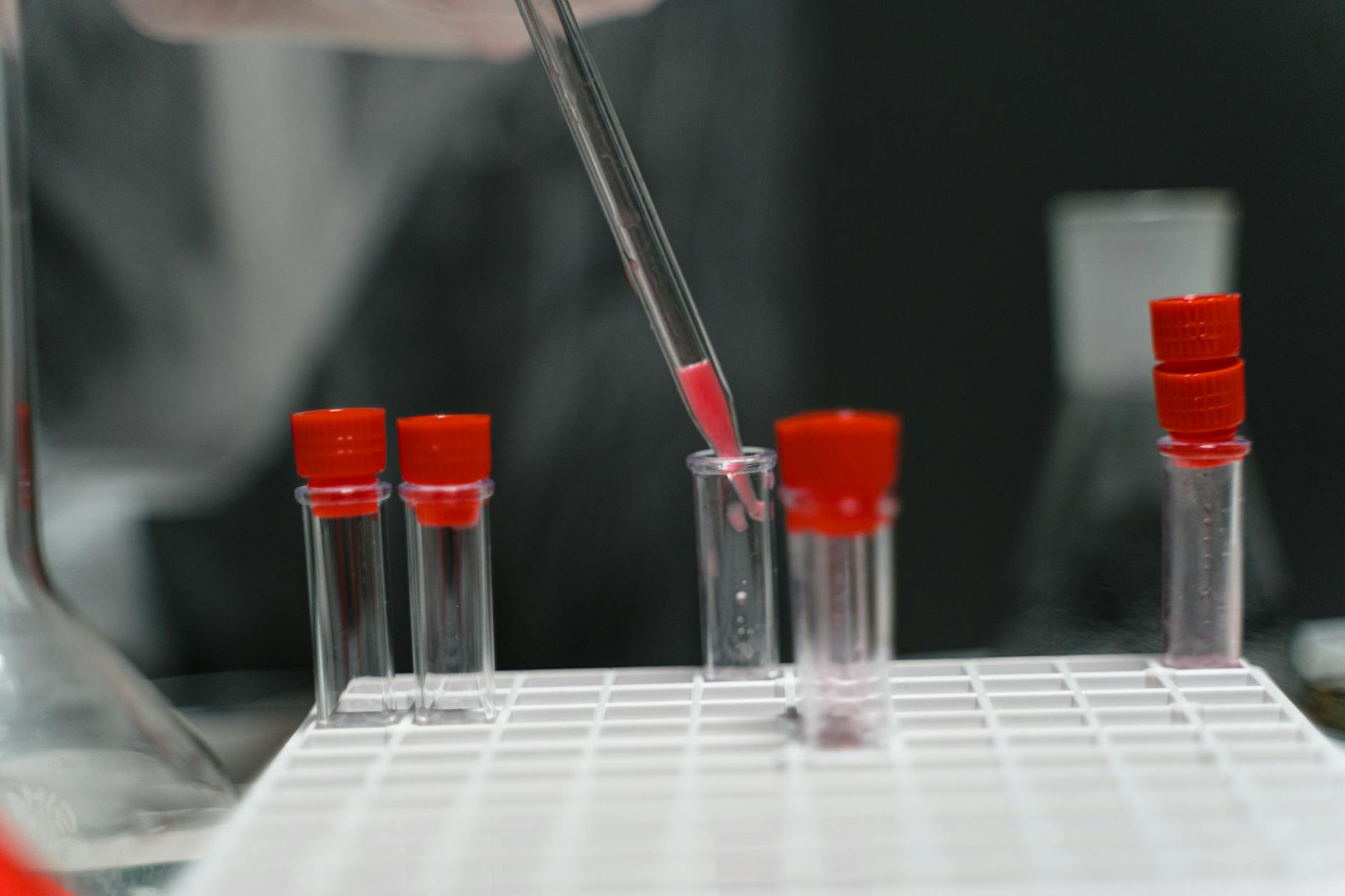
Research findings often begin in laboratory settings where scientists study brain tissue, observe cellular changes, or analyze genetic data from people with dementia. When a finding appears promising, researchers develop compounds or interventions designed to target that specific problem. This preclinical phase can last several years and involves testing in cell cultures and animal models before any human trials are considered.
Once a compound shows potential in preclinical work, it moves into clinical trials with human participants. These trials progress through phases: Phase 1 focuses on safety and dosage with small groups, Phase 2 examines effectiveness in people with the condition, and Phase 3 involves larger populations to confirm benefit and monitor side effects. Consider the research into tau protein: findings about tau accumulation in the brain led scientists to develop tau-targeting immunotherapies, several of which are now in clinical trials for Alzheimer’s disease. The entire process requires careful documentation, peer review, and often years of data collection before regulators decide whether to approve a treatment.

Current Clinical Trials Based on Recent Discoveries
Hundreds of clinical trials for dementia are active at any given time, many directly descended from recent research findings. Trials investigating amyloid-targeting monoclonal antibodies like aducanumab, lecanemab, and donanemab emerged from decades of research confirming amyloid-beta’s involvement in Alzheimer’s pathology. Similarly, trials exploring tau-targeting approaches, neuroinflammation inhibitors, and metabolic interventions all trace their origins to specific research discoveries about what goes wrong in the dementia brain.
One important limitation to understand is that a compound showing promise in Phase 2 trials doesn’t guarantee success in Phase 3. Some drugs that appeared effective in smaller studies failed when tested in larger populations or had safety issues that weren’t apparent initially. For instance, earlier amyloid antibodies showed concerning side effects like amyloid-related imaging abnormalities (ARIA), which required careful patient selection and monitoring protocols to manage. This means that promising findings often require substantial refinement before they become safe, effective treatments available to the general population.
Understanding the Research-to-Treatment Pipeline
The pipeline from discovery to treatment availability involves multiple decision points where promising findings may be shelved, modified, or redirected. Academic researchers publish findings in peer-reviewed journals, which alerts pharmaceutical companies and biotech firms to potential drug targets. Companies then invest in developing compounds, running early-stage tests, and planning clinical trials. If early results look promising, a company files an Investigational New Drug (IND) application with the FDA to begin human testing.
Consider how research into apolipoprotein E (APOE) genetics has informed therapy development. Findings showing that APOE4 carriers have higher dementia risk led researchers to develop therapies specifically targeting APOE-related pathways. Some of these therapies are now in clinical trials, directly informed by the genetic findings. However, the timeline remains lengthy—compounds identified today as promising may not reach patients for many years, and there’s always a possibility that findings won’t translate into clinically meaningful treatments.
What Patients and Caregivers Should Know Right Now
For those currently dealing with dementia, recent research findings offer some immediate benefits even before new therapies become widely available. Understanding your specific dementia type and any genetic risk factors can inform conversations with your healthcare provider about whether you might be eligible for clinical trials testing new approaches. Some trials accept participants based on specific biomarkers or genetic profiles identified through research, meaning that learning more about your own biology could open treatment options.
Importantly, there’s a significant difference between a finding suggesting a therapy “could” work and a therapy being approved and readily available. Participating in a clinical trial gives you access to experimental treatments years before FDA approval, but it also means accepting uncertainty about safety and efficacy. For caregivers and patients not in trials, the practical approach involves discussing with neurologists what evidence-based treatments are currently available, how lifestyle factors influence progression, and what emerging therapies show the most promise based on your specific situation.
Challenges in Turning Findings Into Available Treatments
One major challenge is that some research findings address mechanisms that don’t actually improve patient outcomes meaningfully. A drug might successfully reduce amyloid plaques in the brain—which sounds promising—but if the reduction doesn’t meaningfully slow cognitive decline or improve function, it hasn’t truly solved the problem. This is why Phase 3 trials specifically measure cognitive and functional outcomes, not just biological markers. Some promising findings have fallen short when tested against these real-world measures of benefit.
Another challenge involves cost and scalability. Monoclonal antibody therapies like lecanemab require monthly infusions and biomarker testing to identify who can safely receive them, making them expensive and complicated to administer compared to oral medications. Many research findings generate therapies that are technically effective but practically difficult for patients to access, afford, or tolerate. Additionally, much dementia research focuses on early stages of disease—findings might eventually lead to therapies that work best when started years before significant symptoms appear, which requires earlier detection and widespread screening infrastructure that doesn’t yet exist.

Types of Findings Showing Recent Promise
Research into neuroinflammation—the brain’s inflammatory response—has generated several compounds now in clinical trials, based on findings showing that microglial activation plays a role in neurodegeneration. Other promising findings involve metabolic dysfunction, mitochondrial function, and the role of the glymphatic system in clearing toxic proteins from the brain. Some findings focus on vascular contributions to dementia, leading to trials of compounds targeting blood vessel health and brain blood flow.
Genetic and biomarker-based research has also yielded actionable findings. Discoveries about plasma biomarkers—proteins in the blood that reflect brain pathology—now allow for easier identification of people at risk before significant symptoms appear. This advancement supports the development of preventive therapies that might slow decline if started early. However, the challenge remains that preventing decline in asymptomatic people is a different goal than treating established dementia, requiring different research designs and longer timelines to demonstrate benefit.
Looking Ahead to Future Therapy Development
The next decade of dementia therapy development will likely emphasize combination approaches rather than single-target drugs. Research increasingly suggests that dementia involves multiple pathologies occurring simultaneously, so therapies targeting amyloid alone, or tau alone, may help some people but not others. Future treatments might combine amyloid-targeting drugs with tau-targeting drugs, neuroinflammation modulators, and interventions supporting metabolic health.
Precision medicine approaches informed by genetic and biomarker research will probably shape treatment selection. Rather than prescribing the same therapy to everyone diagnosed with dementia, future practice may involve identifying which specific pathologies are driving each person’s decline and selecting or combining therapies accordingly. This represents a significant departure from current practice and will require further research findings and clinical trial evidence to validate.
Conclusion
Recent research findings are meaningfully advancing dementia treatment development, with multiple therapies in clinical trials and some already approved for use. However, the gap between exciting laboratory discoveries and treatments available to patients remains substantial, typically spanning a decade or more.
Understanding this timeline and the evidence required for approval helps patients and families evaluate claims about new treatments with realistic expectations. For those currently affected by dementia, the most practical approach involves discussing current evidence-based options with your healthcare provider, considering whether clinical trial participation might be appropriate for your situation, and maintaining awareness of how lifestyle factors and existing treatments can support brain health while new therapies continue through development. The research pipeline is active and promising, but patience and informed decision-making remain essential.