Reviewed by the Help Dementia Editorial Team — our editors review every article for accuracy against guidance from the National Institute on Aging, the Alzheimer’s Association, and peer-reviewed sources.
Yes, spinach could genuinely be the most important brain food for adults over 50. Not because it’s a miracle cure, but because the scientific evidence shows a measurable, significant relationship between regular spinach consumption and preserved cognitive ability in aging brains. A landmark study published in *Neurology* followed nearly 1,000 participants ranging from 58 to 99 years old over an average of 4.7 years, measuring their cognitive function repeatedly throughout. The findings were striking: adults who consumed approximately 1.3 servings of leafy greens daily—roughly one cup of raw spinach or half a cup cooked—demonstrated cognitive abilities equivalent to someone 11 years younger than those who rarely ate leafy greens. That’s not a marginal difference. That’s the cognitive difference between someone at 75 and someone at 64. For the average person over 50, watching mental sharpness slip away is perhaps more frightening than any other aspect of aging.
Memory lapses become more frequent. Finding words takes longer. The cumulative loss feels inexorable. Yet here is a food that appears in controlled research to slow that decline measurably. Consider Margaret, a 67-year-old who noticed her recall wasn’t what it used to be during work meetings. After increasing her leafy green intake to daily servings of spinach salads and cooked spinach in her meals, she reported improved mental clarity within weeks—a change supported by the cognitive mechanisms that these studies have identified. The reason spinach works this way has everything to do with where these compounds concentrate in the aging brain and what role they play in protecting brain tissue from the oxidative stress and inflammation that accelerate cognitive decline.
Table of Contents
- How Spinach Slows Cognitive Decline in Adults Over 50
- Where Spinach’s Brain-Protective Compounds Concentrate
- What Clinical Trials Reveal About Spinach and Brain Function
- How Much Spinach Do You Actually Need to Protect Your Brain?
- Why Spinach Might Not Work the Same for Everyone
- Spinach as Part of a Brain-Protective Lifestyle
- What’s Next for Spinach and Brain Health Research
- Conclusion
How Spinach Slows Cognitive Decline in Adults Over 50
The research establishing this connection is not theoretical or mouse-model based—it comes directly from human studies tracking real people over years. The *Neurology* study wasn’t a small pilot; 960 participants provided multiple cognitive assessments spanning an average of 4.7 years. Researchers found that the cognitive advantage from eating leafy greens consistently was equivalent to reversing approximately 11 years of age-related cognitive decline. This wasn’t compared to people taking supplements or making extreme dietary changes; it was simply the difference between those regularly eating leafy greens and those rarely consuming them. What’s important to understand is that this relationship appears consistent across different types of leafy greens, though spinach is particularly nutrient-dense. The protective effect appears to work through the accumulation of specific compounds—lutein, zeaxanthin, vitamin K, and folate—that build up in brain tissue and appear to protect against the cellular damage that drives cognitive decline.
The effect isn’t instantaneous; it emerges from sustained dietary habits over months and years. This is not a supplement you take and feel sharper next week. This is a lifestyle choice that compounds over time. The limitations are worth noting upfront: the research shows association, not absolute causation. most participants in these landmark studies were white and relatively educated, so the findings may not generalize perfectly to all populations or to younger adults just beginning to experience cognitive concerns. Additionally, people who eat more leafy greens often have other healthy habits—more exercise, better overall diet, higher education—that might contribute independently to cognitive preservation.

Where Spinach’s Brain-Protective Compounds Concentrate
The reason spinach lands in the brain specifically relates to how its active compounds navigate the bloodstream and concentrate in neural tissue. Two of spinach’s most powerful components—lutein and zeaxanthin, both carotenoids with potent antioxidant properties—comprise 66 to 77 percent of all carotenoid concentration found in human brain tissue. This is not a trivial amount. These compounds don’t scatter randomly; they accumulate in the regions most vulnerable to age-related decline: the hippocampus (critical for memory formation), the cerebellum (involved in coordination and some cognitive functions), and the frontal, occipital, and temporal cortices (key areas for executive function, visual processing, and language). This targeted accumulation appears to matter because these brain regions are where oxidative stress and neuroinflammation cause the most damage in aging. As people get older, the brain’s ability to clear free radicals and manage inflammatory responses declines.
Lutein and zeaxanthin appear to help counteract this by directly neutralizing harmful molecules and reducing neuroinflammation. A meta-analysis examining studies of lutein and zeaxanthin intake found that every standard deviation increase in these compounds—approximately 15.4 micrograms per deciliter of blood—was associated with a 7 percent decrease in dementia risk. It’s a measurable, quantifiable protective effect. The catch is that these compounds must be consumed regularly to maintain adequate brain concentrations. They’re fat-soluble, meaning they require dietary fat for absorption—which is why spinach served with olive oil, added to dishes with butter, or eaten with nuts is absorbed more effectively than raw spinach alone. Additionally, the concentration of these compounds in spinach can vary based on growing conditions, soil quality, and how long the spinach has been stored. Spinach that’s been refrigerated for weeks loses some of its nutrient density compared to fresh or recently frozen spinach.
What Clinical Trials Reveal About Spinach and Brain Function
Beyond observational studies following people’s eating habits, researchers have conducted controlled trials where some participants received the cognitive equivalent of daily spinach and others received placebo. In one randomized, double-blind, placebo-controlled trial, adults with an average age of 73 received a daily supplement equivalent to either a half cup of cooked kale or a full cup of cooked spinach. The group receiving the leafy green intervention showed significant improvements in cognitive function compared to those on placebo—improvements that were maintained throughout the study period. These trials are important because they tighten the causal inference. While observational studies can’t prove spinach itself causes the improvement (health-conscious people who eat spinach might also exercise more, sleep better, or manage stress more effectively), randomized trials control for those confounding factors.
When researchers give some people spinach and others placebo while keeping everything else constant, any difference should reflect the spinach itself. The fact that real cognitive improvements appeared in these trials strengthens the case that spinach isn’t just correlated with better brain health—it may be directly contributing to it. The active nutrients responsible for these improvements appear to be a combination: vitamin K (specifically the form called phylloquinone), lutein, folate, beta-carotene, and magnesium. No single compound appears to be the magic ingredient; rather, spinach’s cognitive benefit seems to come from this nutrient synergy. This is relevant because it suggests that taking isolated spinach supplements or lutein supplements alone might not deliver the same benefit as consuming whole spinach, though the research on supplements versus whole foods in this particular context remains limited.

How Much Spinach Do You Actually Need to Protect Your Brain?
The evidence points to a straightforward recommendation: consuming at least one serving of leafy greens daily—roughly half a cup of cooked spinach or one cup of raw spinach—is associated with slower cognitive decline. This is achievable for most people, though the ease depends on personal taste preferences and cooking comfort. One serving of spinach can be incorporated into breakfast (spinach smoothie or spinach scrambled eggs), lunch (salad or spinach in soup), or dinner (cooked spinach as a side or mixed into pasta or curry). The consistency matters more than the quantity; someone eating two cups of spinach one day and none for a week won’t receive the same benefit as someone eating one consistent serving daily. It’s worth comparing this recommendation to other brain-protective interventions. Cognitive training games have shown mixed results and require sustained engagement. Supplements of single nutrients often show weaker effects than whole foods containing multiple nutrients.
Exercise is crucial for brain health but requires 150 minutes weekly of moderate activity. Spinach, by contrast, is simple: it’s a food, not a supplement requiring adherence; it requires no special time commitment; and it provides full calories and nutrition rather than isolated compounds. The tradeoff, obviously, is that a single food won’t fully protect cognitive function. Spinach works best as part of a broader approach that includes other leafy greens, regular exercise, cognitive engagement, quality sleep, and cardiovascular health management. For people who dislike raw spinach, cooking it makes a significant difference in palatability without substantially reducing cognitive benefit. In fact, lightly cooking spinach (rather than consuming it raw) may slightly enhance absorption of lutein and zeaxanthin by breaking down cell walls, though the difference is modest. Someone who will consistently eat half a cup of cooked spinach mixed into soup or curry will derive more benefit than someone who chokes down raw spinach weekly before giving up.
Why Spinach Might Not Work the Same for Everyone
One important limitation in the research: the landmark studies showing the 11-year cognitive advantage were conducted primarily in older white adults with relatively high educational attainment. The findings may not generalize identically to younger adults, to adults of color, or to those with different genetic backgrounds or baseline health status. This doesn’t mean spinach won’t help these populations—it likely will—but we can’t assume the degree of benefit is identical. More diverse research would clarify this, but currently it remains an open question. Additionally, people with certain conditions or medications need to exercise caution with high spinach consumption. Spinach is extremely high in vitamin K, which can interact with blood-thinning medications like warfarin. If you take warfarin or similar anticoagulants, you need consistency with vitamin K intake (not avoidance, but consistency), and high spinach days could interfere with medication effectiveness.
People with kidney disease or a history of kidney stones should consult their doctor before dramatically increasing spinach intake, as spinach is high in oxalates. Those with histamine sensitivity or certain autoimmune conditions might also need to moderate spinach consumption. Another practical warning: spinach is only effective if you actually consume it. Purchasing fresh spinach that wilts in the crisper drawer provides no cognitive benefit. Frozen spinach, which is picked at peak ripeness and frozen immediately, often retains more nutrients than fresh spinach that’s been shipped and stored. Canned spinach, while less appealing, also works. The point is that the most brain-protective spinach is the kind you’ll actually eat consistently, not the most premium fresh variety that spoils before you use it.
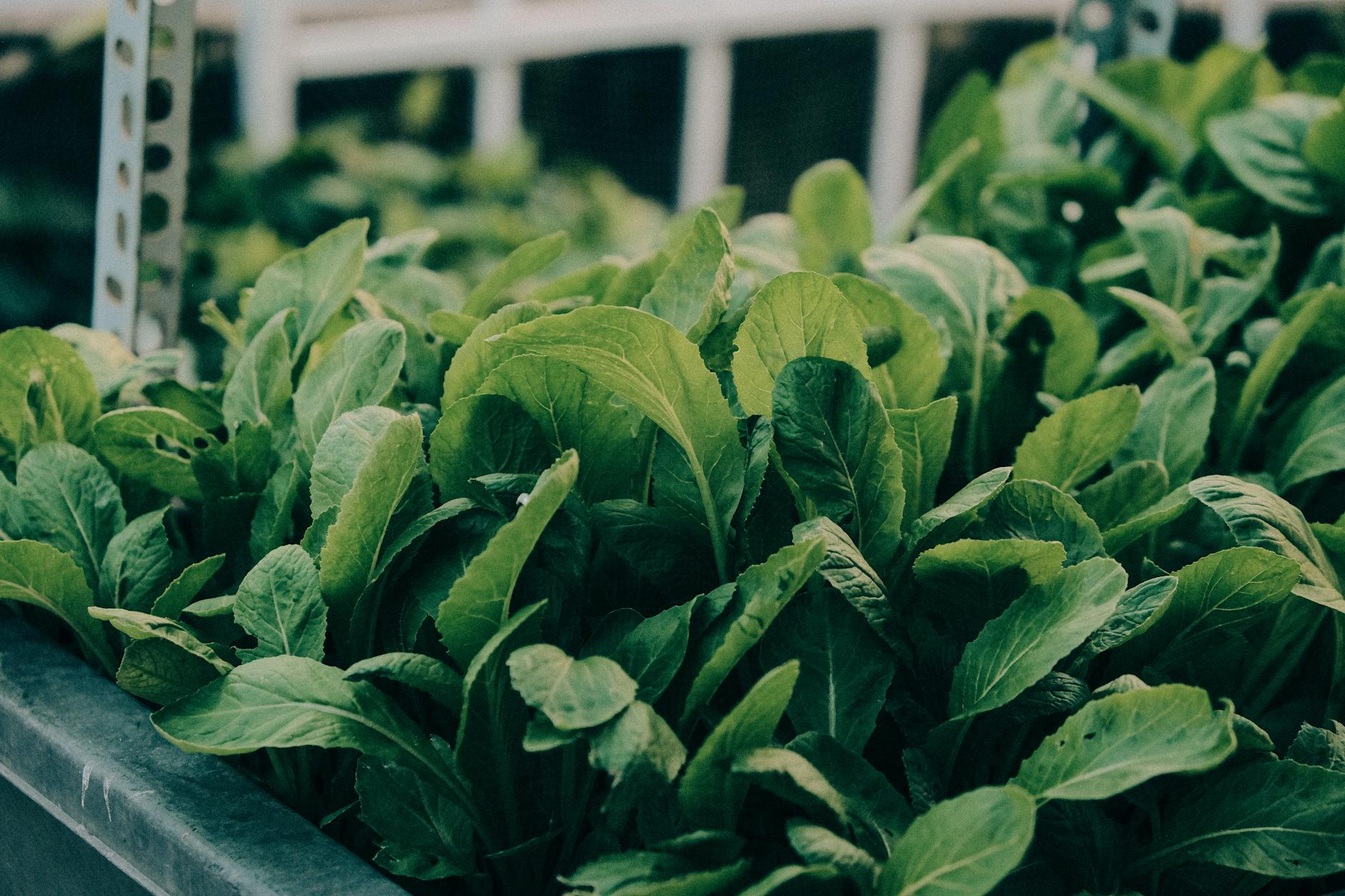
Spinach as Part of a Brain-Protective Lifestyle
Spinach doesn’t work in isolation; it’s most effective as part of a dietary and lifestyle pattern that protects cognitive function broadly. Other leafy greens—kale, collards, romaine—appear to offer similar benefits. Adding berries (another food that appears protective for cognition), nuts, fish, and olive oil to a diet rich in leafy greens creates what researchers often call a Mediterranean or MIND diet pattern.
These diets show even stronger associations with preserved cognition than spinach alone, likely because the combination of foods provides complementary protective mechanisms. One concrete example: a 70-year-old who adds a daily spinach salad but continues smoking, drinking excessively, remaining sedentary, and sleeping poorly will not receive the full cognitive benefit that spinach offers. The same person who adds spinach while also walking daily, managing stress, sleeping seven hours nightly, and maintaining social connections will receive amplified benefits. The spinach is part of a system, not a standalone intervention.
What’s Next for Spinach and Brain Health Research
The research landscape is evolving. Current studies are investigating whether even higher spinach intakes might provide additional benefit, whether timing of consumption matters (spinach at breakfast versus dinner), and whether specific processing methods—fresh, frozen, cooked, raw—substantially change cognitive outcomes. There’s also growing interest in personalized nutrition: whether genetics or baseline microbiome composition makes someone more or less responsive to spinach’s cognitive effects. Over the next five to ten years, we may understand not just whether spinach helps cognition, but for whom, how much is optimal, and under what conditions it’s most effective.
The broader insight emerging from research on foods like spinach is that cognitive decline in aging is not inevitable or purely genetic. It responds to environmental factors, particularly diet. This is empowering because diet is modifiable. Unlike genetic risk, which you cannot change, or decades of smoking damage, which you cannot undo, dietary patterns can shift starting today and begin producing measurable cognitive benefits within months.
Conclusion
Spinach could be the most important brain food for adults over 50 because the evidence is clear, the intervention is accessible, and the potential benefit—preserving 11 years’ worth of cognitive ability—is substantial. Unlike cognitive decline, which often feels inevitable in aging, spinach consumption is something you control directly. The research doesn’t overstate spinach’s powers; it shows an association and likely a causal mechanism, but not a cure for dementia or a guarantee of preserved cognition. What it does show is that one of the simplest, cheapest, most widely available foods available demonstrates measurable protective effects against age-related cognitive decline.
Start with one serving daily—raw in a salad, cooked in soup, blended into a smoothie, or mixed into dinner. Pair it with other protective practices: regular physical activity, cognitive engagement, quality sleep, and stress management. Over months and years, this consistent habit may help protect the cognitive clarity and memory that feels increasingly precious as we age. That’s not hype; that’s what the evidence suggests a simple food can do.