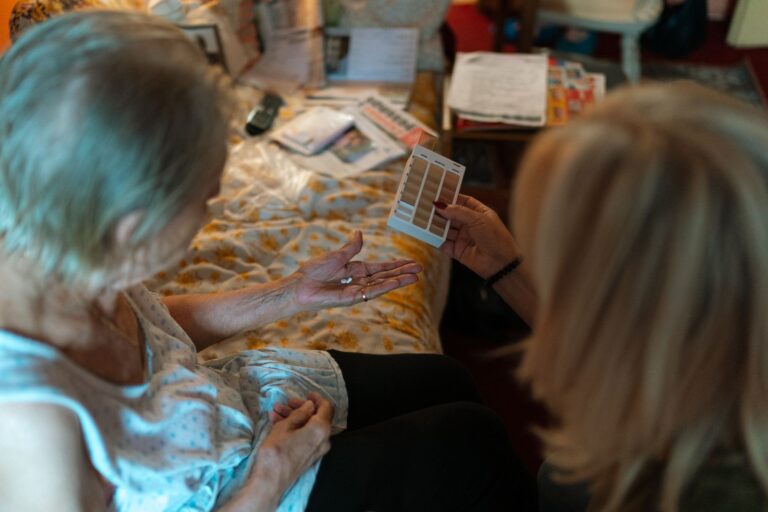
Dementia patients pack bags because their brains are struggling to recognize where they are and often believe they need to return home—not necessarily the house where they live now, but an earlier version of “home” from their past. A person with advanced Alzheimer’s might think they’re still 35 years old and need to get back to their childhood neighborhood. Another might pack for a house they lived in 20 years ago. This behavior, called “elopement” in medical terms, isn’t confusion alone. It’s a collision between failing memory and emotional geography: the patient’s brain is telling them they’re somewhere unfamiliar and that home—the place they feel safe—is somewhere else entirely.
The packing itself is often methodical. The person carefully places clothes, documents, or personal items into a bag or suitcase, then announces they’re leaving. To them, this is logical, purposeful, and urgent. To caregivers, it can be the most frustrating and frightening symptom because it suggests the person is about to leave—and may actually try to do so. Unlike other dementia behaviors, packing carries the risk of actual harm. A patient who leaves home at night without identification, proper clothing, or knowledge of their location is in real danger.
Table of Contents
- IS PACKING ALWAYS A SIGN THAT DEMENTIA PATIENTS WANT TO LEAVE?
- WHAT TRIGGERS THE FEELING THAT HOME ISN’T HOME?
- HOW SHOULD YOU RESPOND WHEN A DEMENTIA PATIENT PACKS TO LEAVE?
- WHAT DANGERS ARE ASSOCIATED WITH ELOPEMENT PACKING?
- HOW COMMON IS THIS BEHAVIOR ACROSS DIFFERENT DEMENTIA TYPES?
- WHAT ROLE DOES IDENTITY AND ATTACHMENT PLAY IN THIS BEHAVIOR?
IS PACKING ALWAYS A SIGN THAT DEMENTIA PATIENTS WANT TO LEAVE?
No. Some people with dementia pack compulsively without any intention of actually leaving. They’re engaging in a type of repetitive behavior, similar to the way some patients might repeatedly fold towels or arrange objects. The physical activity of placing things in bags feels purposeful to them, and they may do it dozens of times a day. For others, packing is a direct expression of the need to leave—they genuinely believe they must go somewhere.
The distinction matters because it changes how you respond. A person who is compulsively packing may be soothed by redirecting to another activity. Someone who packs because they believe they need to leave requires a different approach: they’re experiencing a genuine emotional need, not a passing whim. One caregiver described her mother packing the same suitcase three times a day, removing the items and repacking them. The mother showed no signs of actually trying to leave; she was stuck in the sensory loop of packing itself. A different patient, by contrast, packed once and was found three miles from home two hours later.
WHAT TRIGGERS THE FEELING THAT HOME ISN’T HOME?
The dementia patient’s brain is losing the ability to match sensory information to memory. A person walks into their own kitchen and sees cabinets, a stove, and a refrigerator—but their brain doesn’t attach these objects to the feeling of “my home.” Instead, the objects might feel vaguely familiar or completely foreign. This disconnection is often worse in the late afternoon and evening, a phenomenon called “sundowning,” when natural light fades and the person’s cognitive abilities decline further. Specific triggers include moving someone to a new house or care facility, changes to the living space (even rearranging furniture), the absence of familiar people, or loud noises that feel alarming.
Hospital stays are particularly disruptive; a dementia patient removed from their home environment and placed in an unfamiliar hospital bed may become convinced they’re in the wrong place and desperately need to leave to find their real home. One significant limitation to remember: once this belief takes hold, reassurance rarely works. Telling someone “You’re home, this is your house” often doesn’t penetrate the cognitive distortion. The patient’s brain isn’t accepting the logic; it’s operating on a different version of reality.
HOW SHOULD YOU RESPOND WHEN A DEMENTIA PATIENT PACKS TO LEAVE?
The first instinct for most caregivers is to stop the packing or to reason with the person. Both approaches typically backfire. Stopping the packing can trigger anger, anxiety, or aggressive behavior because you’re blocking something that feels urgent to the person. Reasoning—”But you live here” or “Your mother passed away in 1998″—doesn’t work because the brain isn’t in a place where logic can reach it. Instead, respond with validation and redirection.
Acknowledge the feeling: “I see you’re packing. You must be thinking about somewhere important.” Then gently redirect: “Let’s have some tea first” or “Why don’t we sit and talk about that place you’re remembering?” Some facilities and families have found success using a “goodbye ritual.” A person who packs every evening might benefit from a structured goodbye walk around the property, a farewell wave at the window, or even helping to “prepare for tomorrow’s trip.” This acknowledges the emotional need without enabling actual elopement. One memory care facility reported that patients who received a structured afternoon outing showed a 40% decrease in elopement attempts. The comparison is important: patients given random, unscheduled activities didn’t show the same improvement. The key difference was predictability and the sense that movement was being acknowledged as something normal and planned.
WHAT DANGERS ARE ASSOCIATED WITH ELOPEMENT PACKING?
When packing progresses to actual departure, the risks are severe. A person with dementia who leaves home is likely to become lost quickly—they may forget where they parked, misremember street names, or not recognize their own neighborhood. They often leave during hours when they’re least able to navigate safely: at night, during weather events, or when public transportation isn’t running. Dehydration, hypothermia, and accidents are real dangers. A person found after a few hours of wandering may already be experiencing confusion worsening to a dangerous degree. There’s also a tendency for elopement attempts to escalate.
One incident of leaving successfully often leads to more attempts. The person has now encoded the behavior into their routine: pack bag, walk out door, go somewhere. Preventing elopement is not a matter of gentle redirection alone—it requires structural changes to the environment. Door alarms, GPS devices, and ID bracelets are not excessive; they’re necessary. A warning to caregivers: even 30 minutes of being missing can result in a person becoming hopelessly lost in an unfamiliar area. Authorities recommend reporting someone missing immediately, not waiting to see if they return on their own.
HOW COMMON IS THIS BEHAVIOR ACROSS DIFFERENT DEMENTIA TYPES?
Packing and attempted elopement occur across most dementia types, but the frequency varies. In Alzheimer’s disease, the behavior typically emerges in middle to late stages—when memory loss is significant but the person still has some mobility and problem-solving ability. In frontotemporal dementia, packing may be part of repetitive behavioral patterns that emerge earlier in the disease.
Lewy body dementia patients who pack sometimes do so in response to vivid hallucinations; they might believe they need to leave to escape something they’re seeing. Vascular dementia can cause sudden, unpredictable episodes of disorientation that trigger packing. The commonality across all types is that packing represents a mismatch between what the brain believes and what reality offers. The specific content of the belief varies, but the underlying mechanism—confusion about place and identity—remains consistent.
WHAT ROLE DOES IDENTITY AND ATTACHMENT PLAY IN THIS BEHAVIOR?
For many people, home is inseparable from identity. “Home” isn’t just a location; it’s a period in their life when they felt secure, capable, and known. When dementia strips away recent memories and recent identity, the brain sometimes retreats to an earlier version of home and an earlier version of self. A person packing to return to their childhood home isn’t being illogical—they’re seeking the version of themselves they associate with safety and competence. This also explains why some people with dementia pack to return to a deceased relative’s home or to a job they haven’t held in decades.
The emotional attachment and the sense of identity tied to that place remain intact even after the rest of reality has fragmented. One family member noted that their father, who had never been particularly close to his mother, became obsessed with returning to her house after his Alzheimer’s advanced. The house represented a time when he was younger and his mind was clear. Understanding this—that packing isn’t about geographical location but about emotional safety—can shift how families approach the behavior. Instead of dismissing the behavior as confusion, you recognize it as the person’s best attempt to find their way back to a version of life they still recognize.
- —