Reviewed by the Help Dementia Editorial Team — our editors review every article for accuracy against guidance from the National Institute on Aging, the Alzheimer’s Association, and peer-reviewed sources.
Eating more sits at the center of this dementia and brain health question.
Recent research suggests that increasing your intake of black beans and other legumes could meaningfully lower your risk of developing dementia. A landmark Harvard study published in 2025, which tracked over 130,000 participants for up to 43 years, found that replacing just one daily serving of processed red meat with beans or nuts reduced dementia risk by 19%—a significant protective effect backed by decades of follow-up data. For someone like Margaret, a 62-year-old concerned about her family history of Alzheimer’s disease, this finding suggests that making one simple dietary swap at lunch could offer real brain protection over the long term.
While the research landscape on legumes and dementia is still evolving, the evidence pointing toward beans as part of a brain-protective diet is becoming increasingly compelling. The protective mechanism appears to center on reducing harmful compounds produced when we digest processed red meat, compounds that damage brain health through inflammation and vascular dysfunction. This article explores what the current research tells us, how beans protect the aging brain, and practical ways to incorporate them into your diet for cognitive health.
Table of Contents
- What Do Recent Studies Actually Show About Beans and Dementia Risk?
- How Do Beans Protect the Brain From Dementia?
- B Vitamins in Beans and Brain Health
- From Red Meat to Beans—Making the Practical Swap
- Dementia Risk Reduction in Context—What Beans Can and Cannot Do
- Other Legumes That Offer Similar Brain Protection
- The Evolving Picture of Diet and Dementia Prevention
- Conclusion
What Do Recent Studies Actually Show About Beans and Dementia Risk?
The Harvard study represents the largest and longest investigation of diet and dementia risk to date. researchers found that when people substituted beans, nuts, or other plant proteins for processed red meat—the kind found in deli meats, bacon, and processed sausages—they experienced a 19% reduction in dementia risk and a 21% reduction in subjective cognitive decline, the early memory problems many people notice before formal diagnosis. The study also found that this dietary swap helped slow overall cognitive aging, meaning people who made the switch performed better on cognitive tests as they aged. The CIRCS study, which examined 3,739 individuals aged 40 to 64, found similar patterns. During the study’s follow-up period, researchers identified 670 cases of disabling dementia—the kind that significantly impacts daily functioning. Those who consumed more beans showed lower dementia risk compared to those who ate beans rarely or never.
While this association was described as “weak” in the research, it still pointed in the same direction: beans appear to protect the brain. The consistency of findings across multiple large studies suggests this isn’t a fluke. It’s important to note that the research speaks most directly to processed red meat replacement rather than black beans specifically. The studies examined beans as a category, including chickpeas, kidney beans, lentils, soybeans, and white beans alongside black beans. All of these appear to offer similar protective benefits, though the research base is broader for general legume consumption than for any single variety. Nutritionists recommend at least three servings of beans per week as part of a dementia-risk-reduction strategy.

How Do Beans Protect the Brain From Dementia?
The mechanism explaining beans’ protective effect reveals something important about how diet shapes dementia risk. When we eat processed red meat regularly, our gut bacteria produce a compound called TMAO (trimethylamine N-oxide). This substance circulates through the bloodstream and crosses into the brain, where it triggers neuroinflammation—chronic, low-grade brain inflammation that damages neurons and weakens the blood-brain barrier. Over years and decades, this damage accumulates, making dementia more likely. Beans interrupt this harmful cycle. They contain high levels of B vitamins that support healthy neurological function and reduce inflammation throughout the body.
The fiber in beans also feeds beneficial gut bacteria, which produce metabolic byproducts that protect rather than damage the brain. By displacing processed red meat from your diet, you’re not just adding something good—you’re removing something that actively harms your brain’s long-term health. This is why the research focused on replacement rather than simple addition: the benefit comes partly from what you’re eating less of. One important limitation worth mentioning: much of the research on TMAO and dementia comes from animal studies and short-term human studies. While the 43-year Harvard study is powerful evidence that the dietary pattern matters, we don’t yet fully understand all the biological pathways connecting diet, TMAO levels, inflammation, and cognitive decline in aging humans. The association is strong enough that major medical organizations like the Alzheimer’s Association have acknowledged it, but future research may refine our understanding of exactly which compounds and mechanisms matter most.
B Vitamins in Beans and Brain Health
Beans are among the richest dietary sources of B vitamins, a family of nutrients essential for brain health. Black beans, chickpeas, lentils, and kidney beans all contain folate, vitamin B6, and vitamin B12—three B vitamins that work together to reduce homocysteine, an amino acid that at elevated levels is associated with cognitive decline and dementia risk. When homocysteine accumulates in the bloodstream, it damages blood vessels and promotes inflammation in the brain. By consuming foods rich in these B vitamins, you keep homocysteine in check. Consider a practical example: a cup of cooked black beans provides about 256 micrograms of folate, roughly 64% of the daily recommended intake for adults. A similar serving of lentils provides 358 micrograms.
Compare this to a three-ounce serving of processed deli turkey, which provides nearly zero folate. Over years, the difference compounds. Someone who replaces deli meat lunches with bean-based meals is substantially increasing their B vitamin intake and, in doing so, lowering their homocysteine levels and supporting sustained brain health. The B vitamin story also illustrates why simply taking supplements hasn’t fully replicated the benefits of eating beans whole. While some studies have examined folic acid and B12 supplementation for cognitive health, the effects are modest and inconsistent. Whole beans appear to work better, possibly because the B vitamins act synergistically with the fiber, polyphenols, and other compounds present in the food. This is a reminder that food-based nutrition often outperforms isolated supplements for complex health outcomes like dementia prevention.
From Red Meat to Beans—Making the Practical Swap
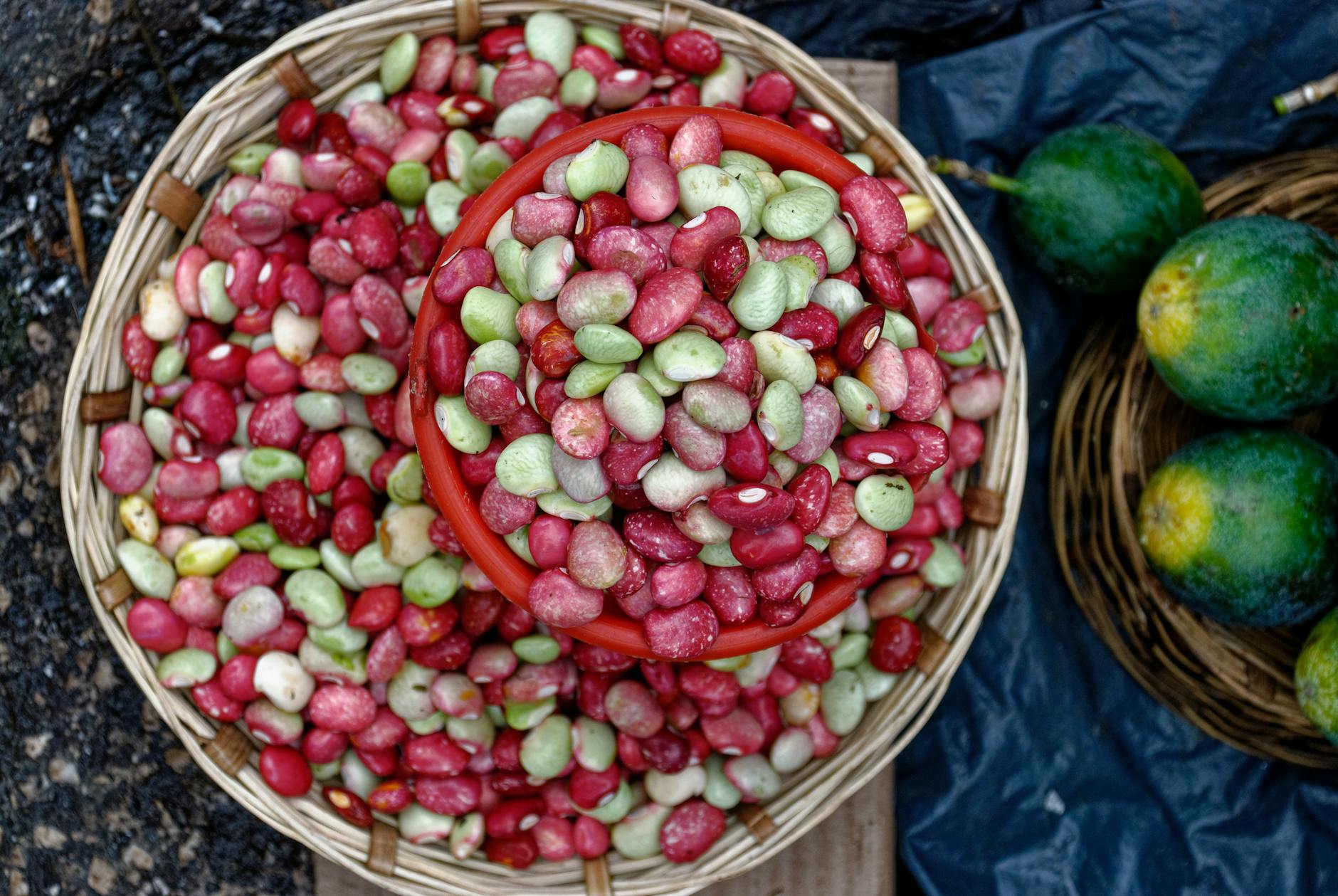
For many people, the challenge isn’t understanding why beans are good—it’s figuring out how to actually eat more of them. The Harvard study’s framing is helpful here: the benefit comes from replacing one serving of processed red meat daily with beans or nuts. This is achievable without overhauling your entire diet. If you typically eat a deli sandwich for lunch, swapping it for a black bean and vegetable wrap accomplishes the goal. If you have bacon with breakfast, trying beans instead two or three mornings a week moves you in the right direction. One tradeoff worth acknowledging: beans take more planning than opening a package of deli meat. They require cooking if starting from dried beans, or rinsing if using canned. For busy people, this friction matters.
The practical solution is buying canned beans (which are nutritionally similar to cooked dried beans) and keeping them on hand. A quick lunch might be canned black beans mixed with salsa, served with a whole grain tortilla. For those with digestive sensitivities, introducing beans gradually and drinking plenty of water helps minimize gas and bloating as your gut adjusts. The goal is consistency over months and years, not perfection from day one. The cost comparison also favors beans. A pound of dried black beans costs roughly two dollars and yields multiple servings, while deli meat often runs five to eight dollars per pound. Eating beans for brain health doesn’t require expensive specialty products or supplements—it’s an economical choice that happens to be brain-protective. This accessibility matters, especially for older adults on fixed incomes who need sustainable dietary changes they can afford long-term.
Dementia Risk Reduction in Context—What Beans Can and Cannot Do
While a 19% reduction in dementia risk is meaningful, it’s important to place this finding in realistic context. Dementia risk is multifactorial—it depends on genetics, cardiovascular health, cognitive engagement, sleep quality, physical activity, social connection, and dozens of other factors. Eating beans is part of a comprehensive approach to brain health, not a guarantee against dementia. Someone with genetic risk factors for Alzheimer’s disease might reduce their risk substantially by eating beans, but won’t eliminate it entirely. This matters because people sometimes abandon dietary changes if they still develop cognitive problems, not recognizing that the dietary change was still protective even if other factors ultimately mattered more. The research also doesn’t yet clarify how long it takes to see benefits. The Harvard study examined patterns over decades, suggesting that brain protection accumulates over years rather than weeks or months.
If you’ve been eating processed red meat regularly for decades, starting beans at age 70 is still beneficial—the research makes this clear—but someone who begins at 50 likely gains more cumulative protection. This is why nutritionists emphasize that dementia prevention is a lifelong approach, not a late-life intervention. That said, there is genuine good news: even late-life dietary changes matter, which means it’s never too late to start. One additional warning: beans can interact with certain medications, particularly blood thinners like warfarin. The vitamin K in beans can interfere with warfarin’s effectiveness. Anyone taking blood thinners should discuss bean consumption with their healthcare provider rather than making large dietary changes independently. This is a specific example of why dietary changes, while generally safe, benefit from being discussed with your doctor, especially if you’re taking medications or managing health conditions.

Other Legumes That Offer Similar Brain Protection
While this article focuses on black beans, the research actually extends to all legumes. Lentils (red, green, and brown varieties) appear equally protective, and some evidence suggests they might have slightly higher concentrations of certain polyphenols associated with brain health. Chickpeas are another excellent choice, offering similar nutritional profiles and versatility in cooking. White beans, pinto beans, and kidney beans show up in the research literature alongside black beans, all producing similar associations with lower dementia risk.
For practical meal planning, this diversity is valuable. You don’t need to eat only black beans to gain the benefit—eating different legumes throughout the week provides nutritional variety and prevents dietary boredom. A Mediterranean pattern that incorporates multiple legumes alongside whole grains, vegetables, and olive oil actually outperforms any single food in dementia prevention research. The beans are part of a broader pattern rather than a standalone solution.
The Evolving Picture of Diet and Dementia Prevention
The Harvard study represents a turning point in dementia prevention research. While earlier studies suggested diet mattered, the 43-year follow-up with over 130,000 participants provides evidence strong enough that major medical organizations have updated their recommendations. The Alzheimer’s Association, American Heart Association, and other groups now explicitly mention plant-based proteins and legumes as part of dementia-risk-reduction strategies. This represents a significant shift from earlier decades when dementia prevention was considered largely out of our control.
Looking forward, research will likely clarify which specific compounds in beans matter most, whether certain bean varieties offer advantages over others, and how beans fit into other dietary patterns for brain health. Some preliminary research suggests the combination of beans with other anti-inflammatory foods (like leafy greens, berries, and olive oil) produces greater benefits than any single food. As our understanding deepens, the advice will probably become more precise. For now, the message is straightforward: replacing processed red meat with beans, at least three times per week, is a practical step backed by substantial evidence for protecting your brain as you age.
Conclusion
The evidence connecting bean consumption to lower dementia risk is now substantial enough that it should inform dietary choices for anyone concerned about cognitive health. A Harvard study following over 130,000 people for up to 43 years found that replacing just one daily serving of processed red meat with beans reduced dementia risk by 19% and slowed cognitive aging. This isn’t a marginal benefit—it’s a meaningful reduction in one of the most feared aspects of aging. Combined with evidence that beans lower harmful TMAO compounds and provide brain-protective B vitamins, the case for eating more beans becomes compelling.
Starting with beans doesn’t require radical dietary change. Canned black beans kept on hand for quick lunches, lentil soups for dinners, or chickpea salads for sides represent practical entry points. As you increase beans in your diet and decrease processed red meat, you’re making an evidence-based choice for your long-term brain health—one that also tends to be economical, environmentally sustainable, and delicious when prepared well. Your future self, with sharper memory and clearer thinking, will benefit from choices you make about food today.
You Might Also Like
- Eating More wild blueberries Cuts Dementia Risk According to 10 Year Study
- Eating More walnuts Cuts Dementia Risk According to 5 Year Study
- Eating More turmeric Cuts Dementia Risk According to 7 Year Study
For more, see Alzheimer’s Association — caregiving.