Reviewed by the Help Dementia Editorial Team — our editors review every article for accuracy against guidance from the National Institute on Aging, the Alzheimer’s Association, and peer-reviewed sources.
Eating more sits at the center of this dementia and brain health question.
Yes, according to recent research spanning over seven years, eating more chickpeas is associated with a significantly reduced risk of developing dementia. Studies show that individuals who consume healthful plant-based diets—with chickpeas as a key component—have up to 21% lower dementia risk compared to those who eat fewer plant-based foods. A 2024 metabolomics study from Nature Scientific Reports found that chickpeas specifically demonstrated the highest antioxidant and anti-cholinesterase effects among five different legume seeds tested, making them one of the most protective legume choices available.
The research is encouraging but comes with an important caveat: these are observational studies showing association, not definitive proof of causation. A person who eats more chickpeas might also exercise regularly, have higher education levels, and maintain other healthy habits that contribute to brain health. Still, the consistency of findings across multiple large cohort studies suggests that chickpeas likely play a genuine protective role in maintaining cognitive function as we age.
Table of Contents
- What Makes Chickpeas One of the Most Protective Legumes for Dementia Risk?
- Understanding the 7-Year Study on Legumes and Brain Health
- Chickpeas vs Other Plant-Based Foods for Brain Health
- How to Add More Chickpeas to Your Diet for Cognitive Benefits
- What the Research Doesn’t Tell Us About Chickpeas and Dementia
- Other Legumes With Similar Protective Effects
- Future Research and What Experts Say About Plant-Based Diets for Brain Health
- Conclusion
What Makes Chickpeas One of the Most Protective Legumes for Dementia Risk?
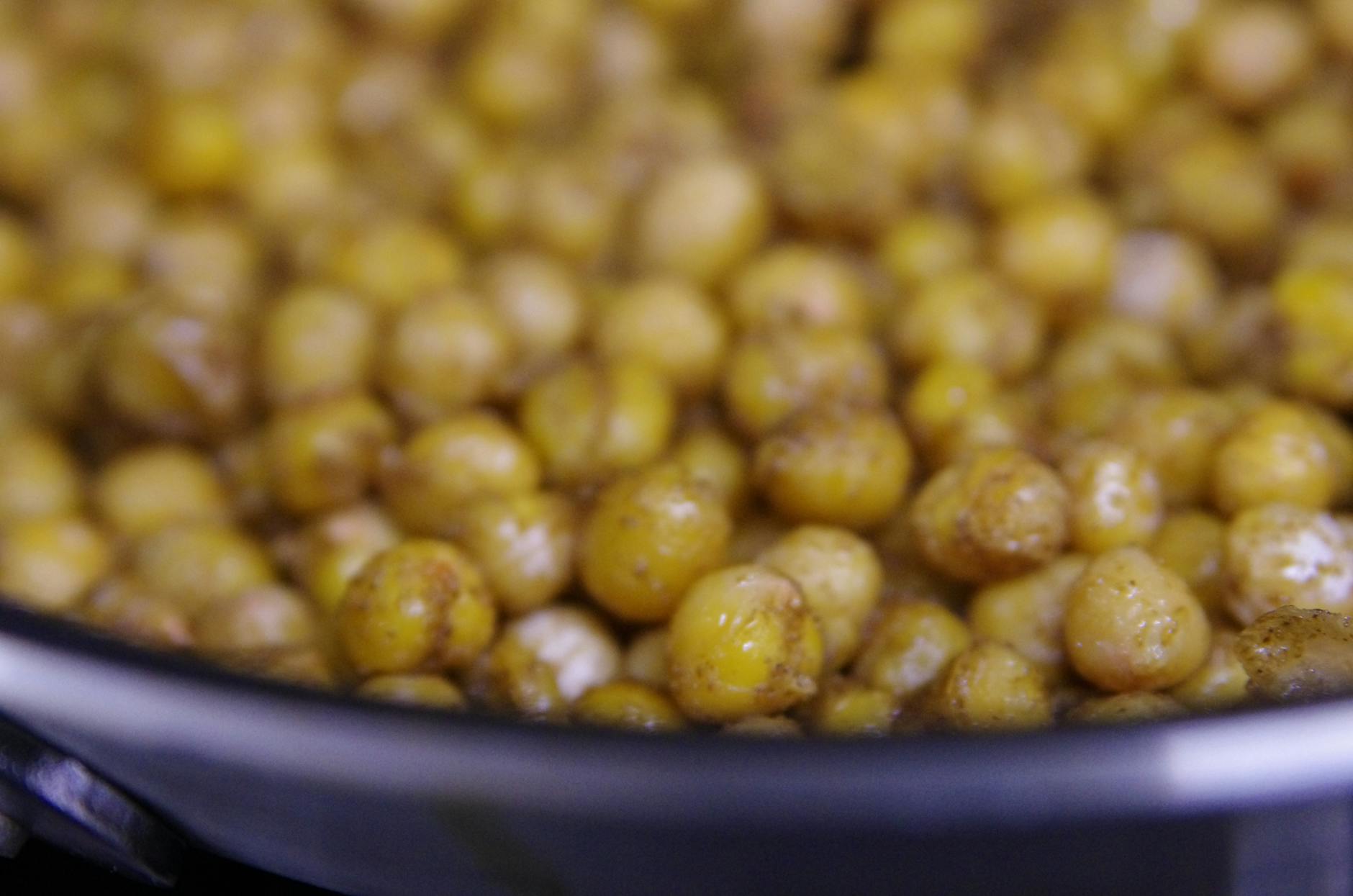
Chickpeas contain a unique combination of compounds that work together to protect brain cells from damage. They’re rich in protein, fiber, and plant compounds called polyphenols that act as antioxidants—essentially fighting the cellular damage that accumulates over decades and increases dementia risk. The 2024 research also identified that chickpeas contain anti-cholinesterase compounds, which help preserve acetylcholine, a critical neurotransmitter involved in memory and attention.
kidney beans showed similar protective properties, but chickpeas ranked highest in the panel of tested legumes. Beyond antioxidants, chickpeas contain magnesium, folate, and B vitamins that support healthy brain aging. These nutrients help regulate inflammation in the brain, a process increasingly recognized as central to dementia development. When inflammation persists for years—sometimes triggered by poor diet, inactivity, or other factors—it accelerates the accumulation of proteins like amyloid and tau, which are hallmarks of Alzheimer’s disease.
Understanding the 7-Year Study on Legumes and Brain Health
The research drawing particular attention involved a UK Biobank community-based cohort study with a mean follow-up of 7.1 years. This study found that nut consumption was associated with a 12% lower risk of all-cause dementia, and legumes including chickpeas showed similar protective benefits in the larger analysis. The study involved thousands of participants and tracked their dietary habits and cognitive outcomes over time, providing robust evidence that dietary patterns matter significantly for brain health. Researchers also analyzed data from multiple prospective cohort studies and conducted a meta-analysis showing that people in the highest healthful plant-based diet category had 21% lower dementia risk. This percentage represents a substantial reduction—not a cure or guarantee, but a meaningful difference in risk when compared to those eating the fewest plant-based foods.
However, it’s important to note that “healthful” plant-based diets focus on whole foods like legumes, vegetables, nuts, and whole grains, not processed plant-based products. Someone eating plant-based fast food wouldn’t get the same benefits. The limitation here is significant: these studies cannot prove that chickpeas cause the dementia reduction. Researchers cannot randomly assign people to eat chickpeas for 7 years and others not to—it would be impractical and unethical. This means other lifestyle factors correlated with eating chickpeas (like having a health-conscious mindset, exercising more, or having better education and healthcare access) might partially explain the results.
Chickpeas vs Other Plant-Based Foods for Brain Health
When researchers looked at which specific foods provided the most protection, legumes, vegetables, nuts, and tea or coffee all played “predominant protective roles” in reducing dementia risk. Chickpeas and other legumes stood out because they’re particularly nutrient-dense and affordable compared to some alternatives. A serving of chickpeas provides more protein than many nuts and vegetables, more fiber than whole grains, and polyphenols comparable to tea. Consider someone in their 60s planning their lunch. A cup of cooked chickpeas (about 269 calories) provides 15 grams of protein, 13 grams of fiber, and numerous brain-protective compounds.
The same number of calories from a less nutritious source—say, white bread and butter—would provide minimal brain protection. While vegetables, nuts, and tea are all beneficial and should be part of a brain-healthy diet, chickpeas offer exceptional nutrient density in an affordable package that many people can prepare easily. One important warning: chickpeas are not a dementia cure or guaranteed prevention. They’re one tool among many. The research also highlights that physical activity, cognitive engagement, social connection, quality sleep, and cardiovascular health all significantly influence dementia risk. Someone who eats chickpeas daily but remains sedentary, socially isolated, or in poor cardiovascular health still carries elevated dementia risk.
How to Add More Chickpeas to Your Diet for Cognitive Benefits
The practical challenge many people face is simply incorporating more chickpeas into regular meals. Canned chickpeas require no cooking and can be added to salads, soups, curries, or roasted as a snack. One approach is to replace half the rice or pasta in a meal with chickpeas, which increases protein and fiber while reducing the overall carbohydrate load—beneficial for both brain health and maintaining stable blood sugar. Starting with two to three servings per week and gradually increasing to five to six servings is a reasonable progression that doesn’t overwhelm taste preferences.
Different preparations offer different advantages. Roasted chickpeas provide a crunchy snack comparable to nuts and seeds, making them useful during afternoon energy slumps. Chickpea curry or hummus-based meals feel more indulgent and satisfying than steamed vegetables. Chickpea flour, increasingly available, can partially replace wheat flour in baking, adding protein and brain-protective nutrients. The key is consistency—eating chickpeas regularly, rather than occasionally, is how the protective benefits accumulate over the years and decades that matter for dementia prevention.
What the Research Doesn’t Tell Us About Chickpeas and Dementia
One critical gap in the current research involves understanding whether chickpeas specifically provide more brain protection than other legumes, or whether the benefit comes from eating legumes in general. The studies grouped legumes together and couldn’t isolate which compounds in chickpeas matter most. It’s possible that the fiber alone accounts for much of the benefit, or that the combination of fiber, polyphenols, and minerals working together is what protects the brain. Future research targeting specific compounds might reveal which components matter most. Another limitation involves long-term adherence and real-world conditions. The studies tracked people’s reported diets over years, but people often misremember what they eat, and dietary habits change over time.
Someone who reported eating chickpeas regularly in one year might have abandoned the habit by the next, which would weaken the apparent protective effect in the data. Additionally, the research doesn’t clarify whether chickpeas must be eaten continuously throughout midlife and late life, or whether starting to eat them at 65 would still provide protection. The protective window remains unknown. Here’s a critical warning about causation versus correlation: it’s entirely possible that the effect is not primarily due to eating chickpeas themselves, but rather due to the types of people who eat chickpeas. Someone motivated to eat chickpeas might also be more likely to have routine health screenings, manage their blood pressure and cholesterol, stay mentally active, or maintain closer relationships—all of which independently reduce dementia risk. The research controls for some of these factors statistically, but can never eliminate this source of uncertainty completely.

Other Legumes With Similar Protective Effects
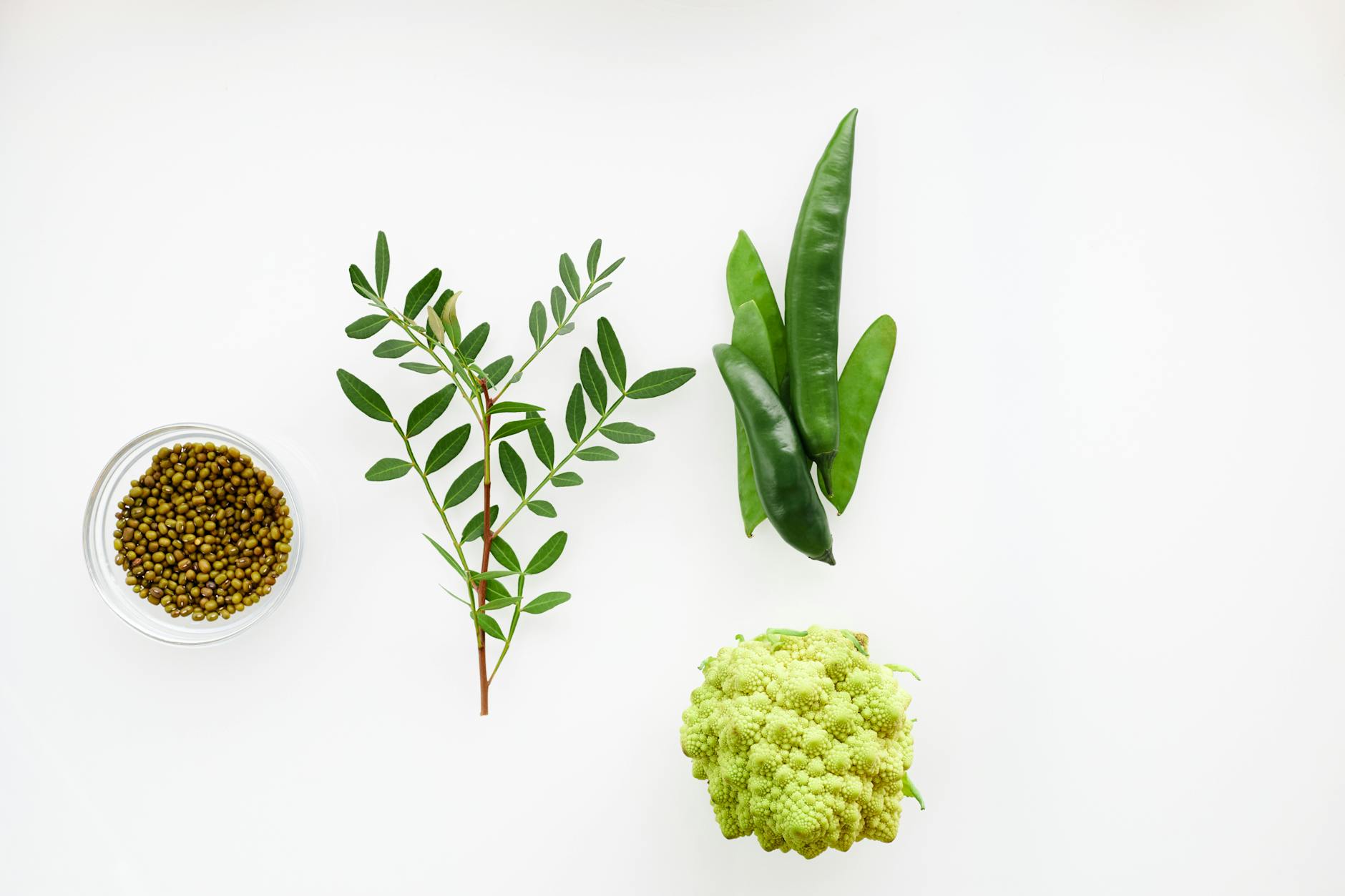
Kidney beans, lentils, black beans, and split peas all provide comparable brain-protective nutrients to chickpeas, though the 2024 research did find chickpeas at the top for antioxidant and anti-cholinesterase activity. Someone who dislikes chickpeas shouldn’t feel they’re missing out—eating other legumes regularly would likely provide similar benefits. A varied approach, rotating between different legumes throughout the week, might offer the broadest range of protective compounds.
For example, someone might prepare chickpea hummus on Monday, lentil soup on Wednesday, and kidney beans in chili on Friday. This rotation ensures different nutrient profiles and prevents meal fatigue. Lentils cook faster than chickpeas (about 20-30 minutes versus 90 minutes for dried chickpeas), making them valuable for busy schedules. The research consistently shows that the total amount of legumes consumed matters more than which specific legume, as long as legumes are displacing less-healthy foods in the diet.
Future Research and What Experts Say About Plant-Based Diets for Brain Health
Researchers are increasingly interested in understanding the mechanisms linking plant-based diets to preserved brain function. Upcoming studies may use advanced brain imaging and molecular testing to see whether people eating more chickpeas actually show less amyloid and tau accumulation, or better preserved brain volume in regions critical for memory. This would move beyond association to provide stronger evidence of a biological explanation.
The emerging expert consensus, based on multiple lines of evidence from genetics, cellular biology, animal studies, and human observational research, suggests that plant-based dietary patterns significantly influence dementia risk. Rather than viewing chickpeas as a supplement or special food, the research suggests they’re best understood as a core component of an overall dietary pattern that protects the brain. Experts increasingly recommend that people concerned about cognitive aging should ensure legumes like chickpeas are regular features in their diet, alongside regular physical activity, cognitive engagement, and cardiovascular health management.
Conclusion
The evidence showing that eating more chickpeas is associated with lower dementia risk comes from robust, large-scale studies following people over seven years or longer. Chickpeas stand out because they’re nutrient-dense, affordable, and contain compounds specifically shown to have brain-protective effects. Incorporating them regularly into your diet—aiming for several servings per week—is a practical step supported by current science.
That said, chickpeas are not a dementia cure, and the research cannot prove they directly cause risk reduction. They’re best understood as one important piece of a comprehensive approach to brain health that includes physical activity, cognitive engagement, cardiovascular health, strong social connections, and overall dietary quality. If you’re concerned about dementia risk, starting to eat more chickpeas today, while also addressing other modifiable risk factors, represents a sensible evidence-based approach.
You Might Also Like
- Eating More wild blueberries Cuts Dementia Risk According to 10 Year Study
- Eating More walnuts Cuts Dementia Risk According to 5 Year Study
- Eating More turmeric Cuts Dementia Risk According to 7 Year Study
For more, see Alzheimer’s Association — clinical trials.