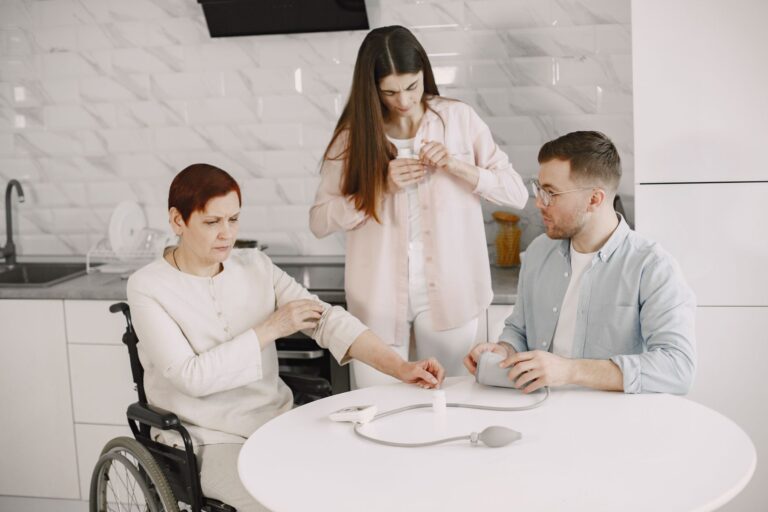
Younger dementia patients—those diagnosed before age 65—are misdiagnosed at staggering rates because both patients and doctors operate under a fundamental assumption: dementia is a disease of the old. When a 52-year-old loses her words mid-sentence or a 47-year-old starts missing work deadlines, the first explanation is rarely neurodegeneration. Stress, burnout, depression, hormonal changes, even ADHD—these come to mind before anyone considers the brain is actually shrinking. This bias isn’t malice; it’s statistical anchoring. Doctors see dementia in their 80-year-old patients and expect it there.
They see a 50-year-old with memory slips and think life circumstances, not disease. The diagnostic delay for younger dementia patients averages 2 to 4 years, sometimes longer. During those years, symptoms worsen while families wonder if they’re overreacting, and patients internalize blame. A woman in her late 40s might visit her doctor complaining of forgetting conversations she had days earlier, only to be told this is normal aging or a sign she needs to relax more. The neurological process—tau protein tangles spreading through the brain, amyloid plaques accumulating, neurons dying—proceeds uninterrupted while the diagnosis delay allows irreversible damage. By the time a correct diagnosis arrives, the patient has often already faced job loss, marital strain, and years of self-doubt.
Table of Contents
- Why Age Expectations Create a Diagnostic Blind Spot
- Psychiatric Diagnosis as a Common Misidentification Pathway
- How Behavioral Changes Can Overshadow Memory Loss in Younger Dementia
- The Absence of Routine Cognitive Screening in Younger Adults
- Why Rarer Dementia Types Remain Longer Undiagnosed in Younger Patients
- Family Rationalization and Delayed Help-Seeking
- Insufficient Neuroimaging and Biomarker Investigation in Younger Patients
- Frequently Asked Questions
Why Age Expectations Create a Diagnostic Blind Spot
The medical community has trained reflexively toward older adults when dementia is mentioned. Alzheimer’s disease, the most common form, predominantly affects people over 65, and clinical training reflects this epidemiology. When a younger person walks into a primary care doctor’s office with cognitive complaints, the diagnostic algorithm literally starts in the wrong place.
A 55-year-old reporting difficulty organizing projects at work might hear, “You’ve got a lot on your plate—maybe try some time management strategies” rather than “Let’s check your cognitive function.” This age-based filtering happens even in specialty settings. A 48-year-old woman with progressive language difficulties was seen by an ear, nose, and throat specialist, an endocrinologist, and a speech therapist before anyone suggested a neurologist. Each specialist was looking through the lens of their own field, but none was considering that language loss in a younger adult might signal primary progressive aphasia, a variant of frontotemporal dementia. The filters in our diagnostic system are set for older patients, and younger people fall through.
Psychiatric Diagnosis as a Common Misidentification Pathway
Early dementia often wears the mask of psychiatric illness, and this is one of the most treacherous diagnostic traps. A person in their 50s who becomes withdrawn, irritable, and makes poor financial decisions might be evaluated for depression or bipolar disorder. Behavioral changes—especially the disinhibition and poor judgment seen in frontotemporal dementia—can be mistaken for personality change due to life stress, marital problems, or midlife crisis. One 51-year-old man was prescribed four different psychiatric medications over eighteen months before an MRI finally revealed frontotemporal lobe atrophy; by then, he had endured side effects, therapy sessions that blamed his childhood, and a family convinced he was having a mental health crisis.
The trap is that dementia and psychiatric illness can coexist, but they’re not the same. A person with depression might struggle with memory; a person with dementia might develop depression. The distinction matters because treating psychiatric symptoms with medication won’t slow cognitive decline—and the time spent pursuing psychiatric diagnosis is time the neurodegeneration continues unopposed. The warning here is crucial: if cognitive decline accompanies mood changes, behavioral changes, or personality shifts, the cognitive component should be evaluated separately and directly, not absorbed into a psychiatric narrative.
How Behavioral Changes Can Overshadow Memory Loss in Younger Dementia
In older adults, dementia typically begins as memory loss—forgetting names, appointments, how to cook a familiar recipe. But younger-onset dementia, particularly frontotemporal dementia, often starts with behavior and personality changes instead. A 49-year-old might become unusually impulsive, overspend on risky purchases, or lose the ability to read social cues. These changes feel more like character flaws or personal choices than disease.
Family members might perceive them as moral failures or deliberate rudeness rather than symptoms of brain degeneration. This presentation pattern means younger patients don’t fit the dementia template doctors carry in their heads. When a 45-year-old describes becoming unable to feel empathy toward her children, her doctor might refer her to psychiatry for possible narcissistic personality disorder or antisocial traits, not consider that her prefrontal cortex is atrophying. The memory function—the marker everyone expects—might actually remain relatively intact until later stages, leaving the cognitive decline hidden under behavioral disturbance. Families report years of frustration, thinking the person is “just being difficult” or “going through a phase,” not understanding that the fundamental architecture of decision-making and impulse control has been altered by disease.
The Absence of Routine Cognitive Screening in Younger Adults
The healthcare system provides few opportunities to catch early cognitive decline in people under 65. There is no standard cognitive screen at annual physical exams for 40, 45, or 50-year-olds the way there is for cholesterol or blood pressure. A person would have to volunteer a specific complaint—”I can’t find my words” or “I’m having trouble concentrating”—and then hope their doctor takes it seriously enough to refer for neuropsychological testing. Many don’t. The infrastructure for detecting younger dementia is essentially absent.
Compare this to blood pressure screening, which is routine at every visit. Cognitive decline is detectable with validated tools like the Montreal Cognitive Assessment or brief cognitive batteries, but these aren’t administered as part of standard preventive care for younger adults. The result is that early-stage cognitive disease progresses silently, often only becoming obvious when it’s severe enough that the person or family member brings it up during a visit motivated by crisis—a job loss, a car accident, a serious relational rupture. By that point, the window for early intervention has closed. The limitation is that even validated screening tools can miss subtle changes in younger, cognitively high-functioning individuals, particularly in the first stages when decline might only be detectable by neuropsychology, which requires a specific referral.
Why Rarer Dementia Types Remain Longer Undiagnosed in Younger Patients
Younger dementia tends to be dominated by dementia types that are actually uncommon in the overall dementia population: frontotemporal dementia, primary progressive aphasia, and corticobasal syndrome make up a much higher proportion of younger-onset cases than they do in older populations. Yet these conditions are rarer, less familiar to primary care doctors, and less likely to be in a clinician’s active consideration set. A 54-year-old with progressive difficulty finding nouns might never be connected to primary progressive aphasia because her doctor has never diagnosed it before.
The warning here is stark: rarity breeds diagnostic delay. Frontotemporal dementia, which accounts for perhaps 10–15% of all dementia cases, likely represents 30% or more of younger-onset dementia. Yet a primary care physician might go an entire career without seeing a younger-onset frontotemporal dementia case, which means they have little opportunity to internalize its presentation or develop the reflex to screen for it. When a younger patient presents with its signature features—behavioral change, language difficulty, or executive dysfunction—without prominent early memory loss, it falls outside the pattern the physician has learned to recognize.
Family Rationalization and Delayed Help-Seeking
Families often contribute to diagnostic delay by normalizing early symptoms. A 50-year-old who forgets appointments or repeats stories might be joked about as becoming scatterbrained like a parent who had similar traits. A person who becomes quieter or less emotionally engaged might be seen as going through a withdrawn phase or being stressed by work. The family’s own cognitive biases—the inclination to interpret changes as personality variations rather than disease—can delay the point at which someone seeks medical evaluation.
One man’s family attributed his increasing social withdrawal and poor judgment to a “midlife phase” for over two years before his wife finally insisted on neurological testing. The delay isn’t always due to denial; it’s often due to the lack of a clear red flag. If a person is still working, still managing basic self-care, still holding conversations (even if they’re repetitive), family members might not perceive the situation as urgent. Only when the cognitive change intersects with a concrete crisis—a mistake at work that threatens employment, a argument that threatens a relationship, a financial misstep with real consequences—does the family often rally to seek diagnosis. The tradeoff is that earlier, gentler intervention becomes impossible; instead, diagnosis arrives during crisis, when changes are more advanced and harder to manage.
Insufficient Neuroimaging and Biomarker Investigation in Younger Patients
Some younger dementia patients undergo brain imaging during their diagnostic odyssey, but the images might appear relatively normal in early stages. Cognitive decline can be present before structural brain atrophy is obvious on a standard MRI. A 52-year-old woman with significant cognitive testing abnormalities might receive an MRI report saying “no acute abnormality” or “age-appropriate findings,” which seems reassuring but misses the subtle atrophy that a specialized eye or volumetric analysis might detect. Without additional investigation—functional imaging, cerebrospinal fluid biomarkers, PET scans—dementia can hide within the noise of normal variation.
Furthermore, biomarker testing (blood tests for phosphorylated tau, amyloid-beta, and other proteins) remains unavailable or unfamiliar to many non-specialist physicians. A primary care doctor or general neurologist might not know these tests exist or how to interpret them. A 48-year-old might have blood drawn for standard metabolic panels while potentially treatable or monitorable biomarkers that could support an early dementia diagnosis go entirely unexamined. The limitation is also financial and logistical: even when biomarkers are available, they can be costly and require interpretation by specialists familiar with their use in younger populations, creating another barrier for patients without neurological specialty access.
Frequently Asked Questions
How long does diagnostic delay typically last for younger dementia patients?
On average, 2 to 4 years pass between when symptoms first appear and when a dementia diagnosis is made. In some cases, particularly with rarer subtypes like frontotemporal dementia, delays exceed 5 years.
What’s the most common misdiagnosis before younger dementia is correctly identified?
Depression is the most frequent initial diagnosis, followed by psychiatric conditions like bipolar disorder or anxiety disorder, stress-related conditions, or adult ADHD.
Should younger adults be routinely screened for cognitive decline?
Currently, there is no standard cognitive screening for asymptomatic younger adults in routine medical care. However, anyone under 65 who notices cognitive changes should request a cognitive assessment rather than waiting for a doctor to suggest it.
Why do behavioral changes sometimes appear before memory loss in younger dementia?
Many younger-onset dementias, particularly frontotemporal dementia, damage the frontal lobe before affecting memory centers. This produces personality change, poor judgment, and behavioral disinhibition as early symptoms.
Can early biomarker testing help catch dementia in younger people?
Blood biomarkers for dementia (phosphorylated tau, amyloid-beta) are increasingly available and can sometimes detect pathology before symptoms become obvious. However, access and clinician familiarity remain limited outside specialty settings.
What should someone do if they suspect early cognitive decline?
Request a referral to neurology for cognitive testing, neuropsychological evaluation, and brain imaging. If your primary care doctor dismisses concerns without ordering these, consider seeking a second opinion.