Reviewed by the Help Dementia Editorial Team — our editors review every article for accuracy against guidance from the National Institute on Aging, the Alzheimer’s Association, and peer-reviewed sources.
Walkable communities sits at the center of this dementia and brain health question.
Walkable communities directly improve physical health, cognitive function, and quality of life for older adults. When neighborhoods feature safe sidewalks, nearby stores, and accessible public spaces, seniors engage in regular physical activity, maintain social connections, and preserve their independence longer. Research shows that older adults living in walkable neighborhoods have better cardiovascular health, stronger cognitive function, and lower rates of depression and anxiety than those in car-dependent areas. The stakes are particularly high for people managing cognitive decline or dementia.
Walking provides one of the most accessible forms of brain-healthy exercise, and a walkable neighborhood removes barriers that might otherwise keep someone homebound. In suburban areas without sidewalks or pedestrian infrastructure, an older adult with mild cognitive decline may stop going out altogether—not because of physical limitations, but because driving becomes unsafe and alternative options don’t exist. In contrast, neighborhoods designed for walking create natural opportunities for the kind of low-stress, routine movement that supports brain health. Consider the difference between two scenarios: an 75-year-old in a sprawling Texas suburb with wide roads, distant strip malls, and no sidewalks; and a 75-year-old in a compact Portland neighborhood with tree-lined streets, coffee shops within walking distance, and clear crosswalks. Both may have equivalent health insurance and family support, but their daily lives and health trajectories diverge significantly based on their physical environment.
Table of Contents
- How Does Walkability Protect Brain Health in Older Adults?
- The Social Isolation Risk in Car-Dependent Communities
- Independence, Dignity, and Aging in Place
- What Elements Make a Community Walkable for Older Adults?
- What Barriers Prevent Older Adults from Walking, Even in Walkable Areas?
- Neighborhood Design and Mixed-Use Development
- The Future of Age-Friendly Communities
- Conclusion
How Does Walkability Protect Brain Health in Older Adults?
Physical activity sustained over a lifetime is one of the strongest predictors of cognitive health in aging. Walkable neighborhoods make this activity automatic rather than aspirational. An older adult who needs to walk a few blocks to get groceries, mail a letter, or meet a friend achieves the same cardiovascular and neurological benefits as someone committed to a formal exercise program—but without the willpower required. Studies consistently show that people living in walkable areas accumulate more daily movement, which translates directly to better memory, processing speed, and executive function. The brain benefits extend beyond just cardiovascular fitness. Walking in a varied, familiar neighborhood engages multiple cognitive systems: navigation, social interaction, decision-making, and attention.
Someone walking to a coffee shop they’ve visited dozens of times is reinforcing spatial memory and procedural knowledge. Someone stopping to chat with a neighbor is maintaining social connections that activate complex language and emotional processing. These aren’t incidental benefits—they’re core mechanisms by which walkable neighborhoods support cognitive resilience. A limitation to acknowledge: walkability alone doesn’t prevent cognitive decline. An older adult with advanced dementia won’t benefit from neighborhood design in the same way a cognitively intact person does. Additionally, walkability requires infrastructure investment that many communities lack. Rural areas and lower-income neighborhoods often have less developed pedestrian infrastructure, meaning that the people who might benefit most from walkability have the least access to it.
The Social Isolation Risk in Car-Dependent Communities
Loneliness is a documented risk factor for cognitive decline, with some studies suggesting it carries health risks equivalent to smoking 15 cigarettes a day. In neighborhoods designed primarily for cars, older adults who no longer drive or who feel unsafe driving become essentially isolated. They can’t easily visit friends, attend community events, or maintain the casual social contacts that build resilience against depression and cognitive decline. Car-dependent suburbs were designed with the assumption that able-bodied working adults would drive everywhere. This assumption breaks down in aging. When an older adult surrenders their keys—a decision that often comes after a close call or family intervention—they lose their primary means of accessing community.
Public transit in suburban areas is often minimal, unreliable, or intimidating for someone with cognitive concerns. A walkable neighborhood removes this barrier entirely; the ability to leave home on foot and encounter neighbors, shops, and activities becomes the default. The warning here is real: designing communities without walkability doesn’t just reduce exercise—it creates structural isolation for older adults. This isn’t a personal failing or a motivational issue. It’s an environmental design problem. Communities that fail to build walkability are, intentionally or not, excluding older residents from community life.
Independence, Dignity, and Aging in Place
There’s a psychological dimension to walkability that extends beyond the physical and social benefits. The ability to walk to a destination under one’s own power is fundamental to dignity and autonomy. An older adult who can walk to the bakery, the pharmacy, and the park experiences themselves as an independent agent in their community. Someone who must ask for rides or rely on transportation services experiences a diminished sense of agency, even if the rides are readily available. This matters for cognitive health because autonomy and purpose are protective factors against depression and decline.
An 82-year-old who walks every morning to buy a newspaper and have coffee with the same barista is maintaining a sense of routine, purpose, and identity. An 82-year-old who is homebound and dependent on family for errands experiences real psychological stress, even if all their material needs are met. Walkable neighborhoods support the kind of everyday autonomy that allows people to age in place with dignity. A specific example: the “complete streets” initiative in Scottsdale, Arizona has expanded sidewalks and pedestrian amenities in neighborhoods with high concentrations of older adults. Survey data shows residents report not just increased walking, but increased confidence, social connection, and perceived independence. The infrastructure change had measurable effects on self-perceived autonomy and quality of life.

What Elements Make a Community Walkable for Older Adults?
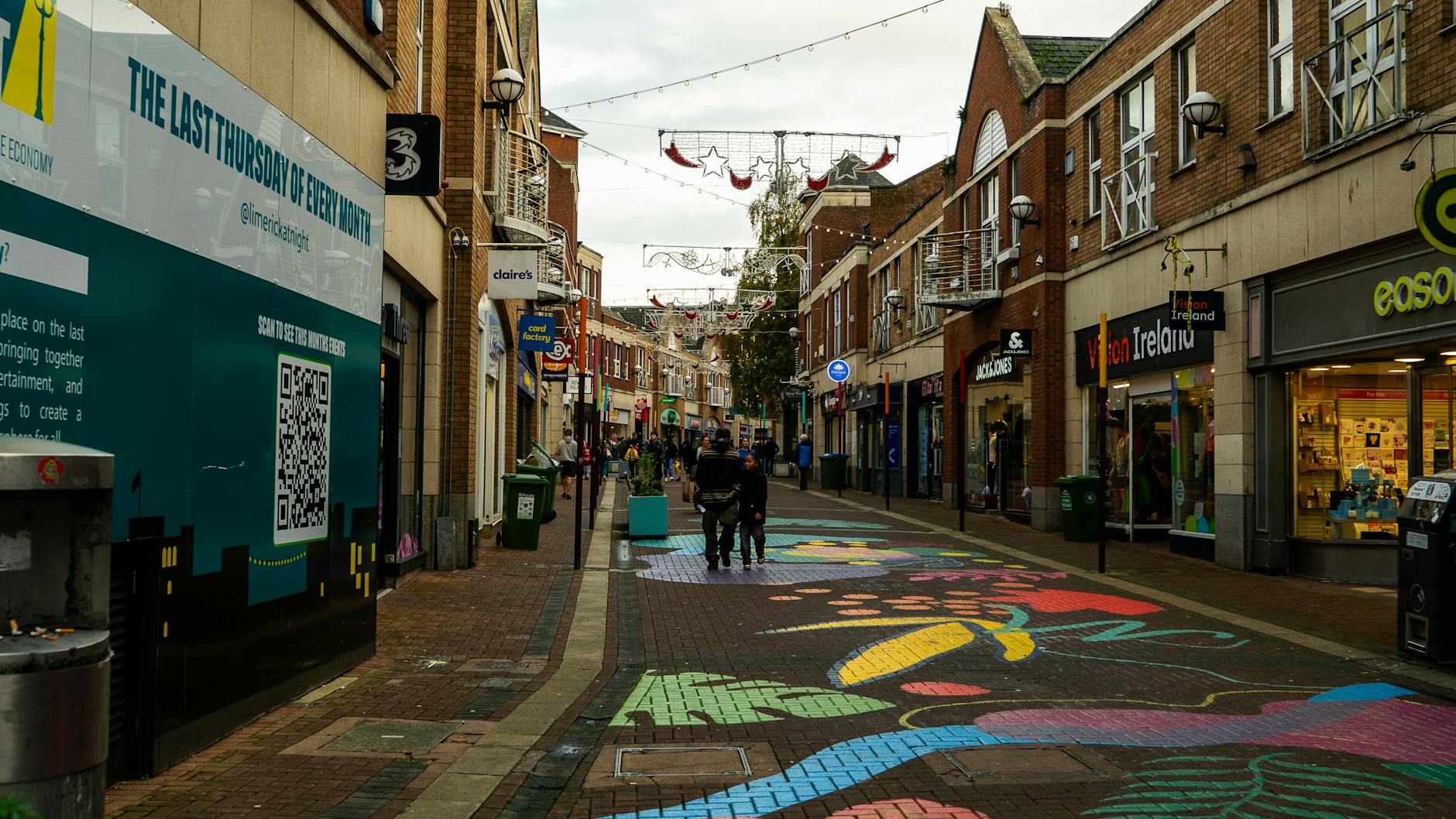
Walkability for older adults isn’t the same as walkability for young professionals. Younger people might walk for 30 minutes without concern; many older adults need clear destinations within a 10-15 minute walk, frequent places to rest, and lower speeds and noise levels. Truly age-friendly walkable communities feature: smooth, wide sidewalks (not cracked or uneven); benches with armrests at regular intervals; good lighting; minimal traffic speed; clear signage; weather protection where possible; accessible crossings with adequate time to cross; nearby bathrooms; and proximity to useful destinations like shops, parks, and healthcare. The practical tradeoff is investment and maintenance cost.
A city that commits to age-friendly walkability must budget for sidewalk maintenance, traffic calming, added lighting, and benches. A city that maintains minimal pedestrian infrastructure has lower upfront costs but externalizes those costs onto older residents in the form of isolation, reduced mobility, and earlier cognitive and physical decline. The comparison is stark when quantified: walkable neighborhoods reduce healthcare spending from isolation-related illness, falls due to poor infrastructure, and depression. The initial infrastructure investment often returns money through reduced emergency services demand and improved health outcomes.
What Barriers Prevent Older Adults from Walking, Even in Walkable Areas?
Physical safety is a primary concern. Even in neighborhoods with good sidewalks, an older adult with balance issues, vision loss, or cognitive concerns may fear falls or getting lost. Someone with early memory loss might worry about walking a familiar route and becoming disoriented. These fears aren’t always irrational—older adults do fall more easily, and someone with mild cognitive impairment can become confused in an unfamiliar context. A limitation of walkable design is that infrastructure alone doesn’t fully address these fears. Weather is another barrier that varies by region.
In northern climates, winter snow and ice make even good sidewalks dangerous for people with arthritis or balance problems. In very hot climates, older adults may be unable to walk during peak heat hours. Some communities address this with indoor walking spaces (mall walking) or weather-protected routes, but this requires additional infrastructure and intentional planning. A critical warning: walkability assumes someone has the cognitive and physical capacity to navigate public space independently. For someone with advanced dementia, a walkable neighborhood may create risk rather than opportunity. An older adult who no longer reliably recognize home might wander off a familiar route and become lost. This is one reason that walkable neighborhoods need to be paired with other supports—accessible transportation, caregiver resources, and community networks that can help older adults navigate independently when possible and safely when they can’t.

Neighborhood Design and Mixed-Use Development
Walkable neighborhoods typically feature mixed-use development: residential areas adjacent to shops, offices, and services. This proximity eliminates the need for a car to meet basic needs. A development that spaces stores and housing far apart—the suburban pattern—requires motorized transportation for even routine tasks. Countries like Denmark and the Netherlands have built entire urban systems around this principle, resulting in high walkability and high quality of life for older residents.
An example: the New Urbanist development of Celebration, Florida was designed with mixed-use walkability in mind. While not exclusively aimed at older adults, the design principles support aging in place. Residents can walk to shops, restaurants, a medical center, and parks from residential areas. Data from similar developments shows higher rates of daily walking and greater social engagement among older residents compared to conventional suburban communities.
The Future of Age-Friendly Communities
As populations age, the economic pressure to design walkable communities will increase. Healthcare systems are beginning to recognize that sprawling, car-dependent development is a risk factor for the chronic diseases most costly to treat. Some forward-looking cities are reorienting development policy around “15-minute neighborhoods”—the concept that residents should be able to meet most daily needs within a 15-minute walk.
This movement is partly driven by climate concerns but also by recognition that people—especially older people—need accessible neighborhoods to thrive. The emerging research on aging in place shows that the built environment is not a minor factor in quality of life—it’s a fundamental determinant of health. Communities that choose to build and maintain walkability are investing in the health and dignity of their older residents. Communities that neglect this infrastructure are, knowingly or not, choosing isolation and decline for their aging populations.
Conclusion
Walkable communities matter for older adults because they remove barriers to the physical activity, social connection, and autonomy that are essential for brain health and quality of life. A neighborhood designed for walking becomes an asset for aging, enabling older adults to maintain independence, manage cognitive health through regular activity and social engagement, and experience the dignity of moving through their community on their own terms.
If you’re concerned about a loved one’s cognitive health or independence, community design should be part of the conversation. This might mean choosing a neighborhood with walkability in mind, advocating for safer pedestrian infrastructure in your current community, or connecting with neighbors to build informal support systems that enable walking and social participation. The research is clear: communities that support walking support healthy aging.
You Might Also Like
- Can Gentle Activity Help Older Adults With Memory Problems?
- Could Vision Care Help Older Adults Stay Independent?
- Can Volunteering Help Older Adults Stay Mentally Sharp?
For more, see National Institute on Aging.