Reviewed by the Help Dementia Editorial Team — our editors review every article for accuracy against guidance from the National Institute on Aging, the Alzheimer’s Association, and peer-reviewed sources.
Yes, gentle activity can help older adults with memory problems. Research consistently shows that physical activity—even moderate, low-impact exercise—improves cognitive function, slows cognitive decline, and may help preserve memory in aging brains. Studies from institutions like Johns Hopkins and the University of California have demonstrated that regular physical activity increases blood flow to the brain, promotes the growth of new brain cells, and strengthens the neural connections that support memory formation.
For someone in the early stages of memory loss or mild cognitive impairment, gentle activities like walking, swimming, or tai chi can be as beneficial as, or sometimes more beneficial than, medication alone. The key word here is “gentle.” High-intensity exercise programs intimidate many older adults and create barriers to participation. Gentle activity is sustainable, enjoyable, and accessible to people at different fitness levels. A 70-year-old with arthritis and early-stage dementia can participate in a 20-minute walk with friends just as meaningfully as a younger person might participate in a gym session—and the cognitive benefits are real and measurable.
Table of Contents
- HOW DOES PHYSICAL ACTIVITY IMPROVE MEMORY AND COGNITION IN AGING BRAINS?
- WHAT TYPES OF GENTLE ACTIVITY WORK BEST, AND WHAT ARE THE LIMITATIONS?
- WHAT HAPPENS TO MEMORY WHEN OLDER ADULTS EXERCISE REGULARLY OVER TIME?
- PRACTICAL CONSIDERATIONS: HOW TO HELP AN OLDER ADULT START AND MAINTAIN GENTLE ACTIVITY
- WHEN ACTIVITY ISN’T ENOUGH, AND THE IMPORTANCE OF COMBINING APPROACHES
- THE SOCIAL AND EMOTIONAL BENEFITS THAT COMPLEMENT COGNITIVE GAINS
- THE FUTURE OF ACTIVITY-BASED COGNITIVE THERAPY
- Conclusion
- Frequently Asked Questions
HOW DOES PHYSICAL ACTIVITY IMPROVE MEMORY AND COGNITION IN AGING BRAINS?
Gentle physical activity works on the brain through several biological pathways. When you move your body, your heart pumps more oxygen-rich blood to your brain, particularly to regions like the hippocampus, which is critical for forming and retrieving memories. This increased blood flow nourishes brain cells and supports the production of brain-derived neurotrophic factor (BDNF), a protein that acts like fertilizer for the brain—it helps existing neurons survive and encourages new neurons to grow. Studies have shown that people who engage in regular physical activity have larger hippocampi than sedentary people of the same age, which translates directly to better memory function.
The cognitive benefits of gentle activity appear across different types of memory. A 2020 study in JAMA Psychiatry found that older adults who walked regularly performed better on tests of episodic memory (remembering specific events) and working memory (holding information in mind while performing tasks). Another comparison worth noting: while antioxidant supplements have shown inconsistent benefits for brain health, physical activity has robust, reproducible effects. This is why exercise is often recommended as a first-line intervention, even before or alongside medication.

WHAT TYPES OF GENTLE ACTIVITY WORK BEST, AND WHAT ARE THE LIMITATIONS?
The most effective gentle activities are those that combine movement with cognitive engagement or social interaction. Walking is beneficial on its own, but walking with a friend or in a new environment—where the brain must process novel stimuli—offers greater cognitive benefits than walking alone on a familiar route. Similarly, dancing is superior to passive movement because it requires coordination, rhythm, and memory of patterns. Tai chi combines slow, deliberate movement with balance challenges and mindfulness, making it particularly valuable for older adults.
Water-based activities like aquatic therapy or gentle swimming are excellent options for people with arthritis or joint pain, since water supports the body while reducing strain. However, there are important limitations to acknowledge. The cognitive benefits of physical activity are most pronounced in people who are cognitively intact or have mild cognitive impairment; people with moderate to advanced dementia may not retain memories of activities or show measurable cognitive improvements, though they may still experience mood and behavioral benefits. Additionally, starting an exercise program after years of sedentary life carries risks—heart attack, stroke, and falls are real concerns. Medical clearance from a doctor is essential before beginning any new activity program.
WHAT HAPPENS TO MEMORY WHEN OLDER ADULTS EXERCISE REGULARLY OVER TIME?
The benefits of physical activity accumulate gradually. A person who begins walking for 30 minutes most days of the week may not notice improvements in memory for 4 to 8 weeks, but neuroimaging studies show that changes in brain structure begin within that timeframe. Over months and years, consistent activity can slow or even partially reverse age-related cognitive decline. A landmark study from the University of Illinois followed over 700 older adults for several years and found that those who maintained high levels of physical activity had significantly less cognitive decline compared to those who became more sedentary—the difference was comparable to about 3 years of aging.
Consider the real-world example of a 75-year-old who starts struggling with word-finding and forgets why she entered a room. Her doctor recommends she join a walking group. After three months of walking three times a week with friends, she notices she’s forgetting less and her friends comment that she seems sharper. A year later, her cognitive screening scores have actually improved slightly—an unusual outcome in someone her age, where mild decline is typical. The activity didn’t reverse her aging, but it slowed and partially offset the expected decline.

PRACTICAL CONSIDERATIONS: HOW TO HELP AN OLDER ADULT START AND MAINTAIN GENTLE ACTIVITY
Starting a gentle activity program requires removing barriers. For many older adults, the largest barrier is not knowing where to start or feeling uncomfortable exercising in a gym full of younger people. Community-based programs are often more successful than home exercise: walking groups, senior centers with dance or tai chi classes, and community pools offer structure, social connection, and accountability. The tradeoff is that structured programs require transportation and scheduling, but the additional cognitive stimulation from a class environment often enhances the benefits compared to exercising alone at home.
Safety is paramount when introducing activity to someone with memory problems. A person with early dementia should not exercise alone; they should have a companion, wear identification, and exercise in familiar or controlled environments. Fall prevention is critical, since falls are catastrophic for older adults and can trigger rapid cognitive decline through hospitalization and immobilization. Low-impact activities like walking on flat surfaces, water-based exercise, and seated tai chi are safer than activities with balance challenges like hiking on uneven terrain.
WHEN ACTIVITY ISN’T ENOUGH, AND THE IMPORTANCE OF COMBINING APPROACHES
Physical activity is powerful, but it’s not a standalone cure for memory problems. A person with moderate to advanced dementia or those with certain genetic risk factors (like carrying the APOE4 gene) may not stop cognitive decline through exercise alone, though they’ll still benefit from the mood and physical health improvements. The warning here is important: some families become discouraged when an older adult continues to decline despite faithfully attending exercise classes.
This is normal and doesn’t mean the activity has failed—it may be slowing decline that would otherwise be much faster. The most effective approach combines physical activity with cognitive engagement, social interaction, good nutrition, quality sleep, and medical management of conditions like high blood pressure and diabetes. A person who walks regularly but drinks heavily, sleeps poorly, and is isolated will see fewer cognitive benefits than someone who walks, engages with puzzles and learning activities, maintains close friendships, and takes care of their overall health. This is a limitation of focusing too narrowly on activity alone.

THE SOCIAL AND EMOTIONAL BENEFITS THAT COMPLEMENT COGNITIVE GAINS
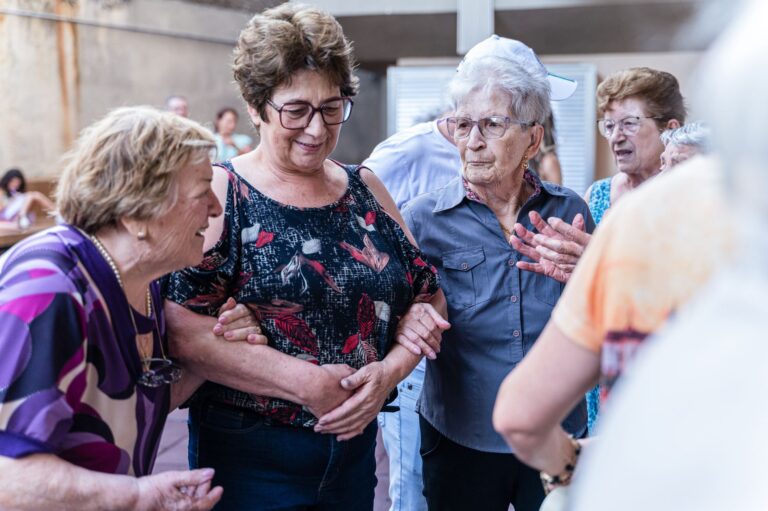
Beyond memory and cognition, gentle activity provides enormous psychological benefits. Depression and anxiety are common in older adults with memory problems and actually worsen cognitive function. A person who joins a walking group or dance class often experiences lifting mood, renewed sense of purpose, and reduced isolation—all of which improve overall brain health.
These emotional benefits are sometimes as valuable as the direct cognitive effects, especially in early dementia when the person is still aware of their decline and may be grieving the loss of function. Consider someone with mild cognitive impairment who feels embarrassed by forgetting names and becomes withdrawn. Participating in a swim class three times a week reconnects them with peers, gives structure to their week, and provides a sense of accomplishment. They might not remember the specific class later, but they remember feeling good, and that emotional reinforcement encourages them to return.
THE FUTURE OF ACTIVITY-BASED COGNITIVE THERAPY
Research is increasingly showing that the timing and intensity of physical activity matter for cognitive protection. Studies suggest that starting exercise earlier in the aging process—ideally before significant cognitive decline appears—offers the greatest protective benefit.
This is shifting the conversation from “how to help someone with memory problems” to “how to prevent memory problems in the first place.” Older adults with normal cognition who maintain active lifestyles have significantly lower rates of developing dementia over the following decade. As the population ages and dementia prevalence rises, gentle activity programs are becoming part of standard dementia care rather than an optional add-on. Some innovative dementia care programs now integrate exercise specialists who understand both physical capability and cognitive needs, tailoring activity programs for people at different disease stages.
Conclusion
Gentle physical activity is one of the most evidence-based, safe, and accessible interventions available for older adults with memory problems. It works through biological mechanisms that are well understood, produces measurable improvements in cognition and memory, and carries the added benefits of improved mood, strength, and overall health. The best time to start is now—whether someone is cognitively normal, has mild cognitive impairment, or early dementia.
If an older adult in your life is experiencing memory changes, talk with their doctor about what gentle activities might be appropriate, and then help them overcome the practical barriers to starting. Walking with them, enrolling in a class together, or finding a community program removes friction and often makes participation sustainable. The investment in gentle, consistent activity is one of the few interventions that has the potential to slow cognitive decline and preserve quality of life.
Frequently Asked Questions
What counts as “gentle” activity for someone with memory problems?
Gentle activity is low-impact movement that doesn’t strain joints or cause pain. It includes walking (preferably with others), swimming or water aerobics, tai chi, chair-based exercise, ballroom dancing, and light gardening. The intensity should allow conversation during exercise—if someone is too breathless to talk, it’s too intense for most older adults.
How long does it take to see improvements in memory from exercise?
Neurobiological changes in the brain begin within 4 to 8 weeks of starting regular activity, but noticeable improvements in memory and thinking may take 2 to 3 months. For some people, improvements plateau or decline again if the activity is stopped, so consistency is key.
Is it ever too late to start exercising for brain health?
No. Studies show that older adults who start exercise programs even in their 70s, 80s, or 90s experience cognitive and physical benefits. It’s never too late, though starting earlier provides greater long-term protection.
Can someone with advanced dementia benefit from gentle activity?
People with advanced dementia may not form lasting memories of activities, but they often experience immediate mood and behavioral improvements during and after activity. They may enjoy walking, swimming, or music-based movement even if they cannot remember it afterward.
What should I do if my loved one has medical conditions that limit activity?
Work with their doctor to identify what’s safe. Most conditions—arthritis, heart disease, even Parkinson’s—have adapted activity options. A physical therapist can design a program tailored to specific limitations.
Is medication necessary if someone exercises regularly?
Physical activity doesn’t replace medication for cognitive decline or dementia, but it’s a powerful complement. Some people may need lower doses or fewer medications if they maintain consistent activity alongside medical treatment, but this should only be determined by their doctor.