
Reviewed by the Help Dementia Editorial Team — our editors review every article for accuracy against guidance from the National Institute on Aging, the Alzheimer’s Association, and peer-reviewed sources.
Yes, volunteering can help older adults stay mentally sharp. Research consistently shows that older volunteers experience better cognitive function, slower mental decline, and improved memory compared to non-volunteers. When a 72-year-old retired teacher begins volunteering at a literacy program, working with students, planning lessons, and solving problems on the job engages multiple cognitive systems—memory, attention, processing speed, and decision-making—in ways that passive activities cannot match. The cognitive benefits come from two sources: the intellectual demands of the work itself and the social engagement that volunteering provides.
A volunteer role requires attention to detail, learning new information, making decisions, and interacting with others—all activities that research links to cognitive resilience. Volunteering creates what neuroscientists call “cognitive reserve,” a kind of mental buffer that helps protect against age-related decline. Beyond the science, volunteering offers something many retirement years lack: purpose and structure. The combination of mental challenge and meaning creates conditions where cognition not only stays sharp but can even improve.
Table of Contents
- How Does Volunteering Strengthen Cognitive Function in Older Adults?
- What Types of Volunteering Offer the Most Cognitive Benefit?
- The Social Brain and Cognitive Reserve in Volunteering
- How to Choose a Volunteer Role That Maximizes Cognitive Benefit
- Potential Challenges and Realistic Limitations
- Volunteering and Building Cognitive Reserve Beyond Direct Activity
- The Future of Volunteering as a Cognitive Health Strategy
- Conclusion
- Frequently Asked Questions
How Does Volunteering Strengthen Cognitive Function in Older Adults?
Volunteering engages cognition through the same mechanisms that any complex, meaningful work does. When you volunteer, you’re not sitting passively. You’re learning policies, remembering procedures, solving problems, and adapting to new situations. A 68-year-old volunteering at an animal shelter learns the medical history and behavioral patterns of dozens of animals, schedules feeding and care routines, and manages interactions with visitors—cognitive work equivalent to entry-level employment, but without the stress of a paycheck. The social component is equally important. Volunteers interact with staff, other volunteers, and the people or animals they serve.
These social interactions require working memory, emotional regulation, and social reasoning. Studies show that older adults who have frequent social contact show slower cognitive decline than isolated peers, and volunteering combines social contact with cognitive challenge. A volunteer might explain procedures to a visitor, adjust their communication style based on the person’s understanding, and remember previous conversations with regulars—all skills that sharpen mental acuity. The frequency and consistency matter. Casual occasional volunteering may provide less benefit than regular weekly commitments. A 70-year-old who volunteers once a week has structured mental activity to plan around and anticipate. The brain gets the benefit of routine and preparation, not just the activity itself.
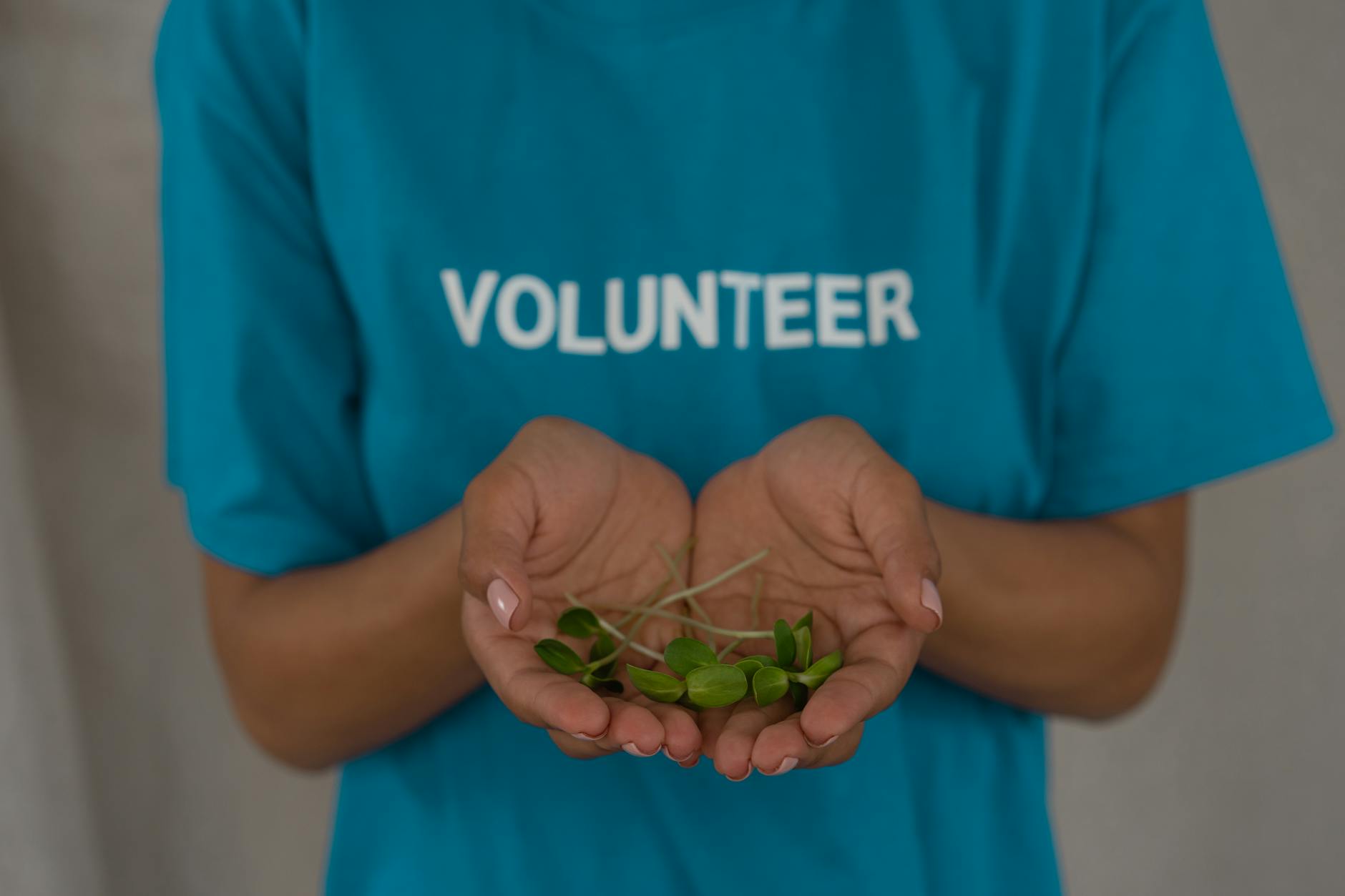
What Types of Volunteering Offer the Most Cognitive Benefit?
Not all volunteer roles engage the mind equally. Some volunteer work is repetitive and procedural—sorting donations, filing paperwork, light cleaning—and while any activity beats sedentary time, these roles may offer less cognitive stimulation than positions requiring problem-solving, teaching, or skilled work. A person filing documents performs attention and fine-motor tasks but not executive function or learning. Someone mentoring a young person must adapt communication, assess understanding, recall past conversations, and adjust strategies—far more cognitive demand. The best volunteer roles for cognitive health tend to involve: teaching or mentoring others, managing projects or schedules, working with technology or new systems, making decisions, or solving problems.
A retired accountant volunteering to help people file taxes uses mathematics, logic, and communication. A former nurse volunteering as a health advocate learns new medical information, educates patients, and navigates systems. These roles also often include the element of responsibility—people depend on the volunteer—which creates engagement and accountability. A limitation: older adults with early cognitive decline may struggle with roles that are too cognitively demanding or that involve managing others’ expectations. Mismatching the volunteer to their abilities can become discouraging rather than enriching. The goal is choosing a role that is challenging enough to engage cognition but not so complex that it creates anxiety or repeated failure.
The Social Brain and Cognitive Reserve in Volunteering
Volunteering is inherently social, and the cognitive benefits of social engagement are distinct from intellectual challenge. Humans are deeply social creatures, and aging often brings social isolation—retirement removes workplace relationships, health limits travel, and loss of peers narrows social circles. This isolation is a significant risk factor for cognitive decline comparable to physical inactivity. Volunteers reverse this. A 75-year-old volunteer at a food bank works alongside a team, shares lunch with colleagues, learns people’s names and stories, and shares jokes and conversation.
These social interactions activate multiple brain regions involved in attention, empathy, memory, and emotional processing. The brain is essentially “exercised” through social demands. Over time, regular social engagement through volunteering is associated with better executive function, faster processing speed, and lower rates of memory loss. Comparison: An older adult who stays home, maintains some phone contact with family, and watches television gets significantly less cognitive and social stimulation than one who volunteers weekly at an organization where they interact with 5-20 people regularly. Studies following older volunteers for 5-10 years show slower cognitive decline and even some cognitive improvement in problem-solving abilities.

How to Choose a Volunteer Role That Maximizes Cognitive Benefit
The practical challenge is matching the right person to the right role. Start by considering the volunteer’s former career, education, interests, and current abilities. Someone who was a librarian, accountant, or manager may thrive in roles involving organization, analysis, or coordination. Someone who was a teacher or social worker may prefer roles involving mentoring or direct service. The goal is choosing work that feels substantial and uses existing strengths while offering some novelty. Novelty is important.
If a volunteer is simply repeating work they’ve done for decades, the cognitive benefit decreases. A retired librarian filing books by the Dewey Decimal System will get less cognitive engagement than one learning to use a new library software system or mentoring young patrons in research skills. Seek roles that include learning new information or skills, even small ones. The tradeoff: higher-skill roles may be harder to find, less flexible, and require training or commitment. A role managing a volunteer schedule at a nonprofit demands more than sorting donations but also requires reliability and problem-solving. Start by talking with volunteer coordinators about what kind of mental engagement matters most to you, and be honest about energy and time availability. A cognitively rich role done occasionally may be less beneficial than a moderately challenging role done consistently.
Potential Challenges and Realistic Limitations
Volunteering isn’t a cure for cognitive decline, and it’s important to be realistic about its scope. For someone with diagnosed mild cognitive impairment or early dementia, volunteering can still provide benefits, but the volunteer role must be carefully chosen and supported. Giving someone with memory loss a role requiring them to remember complex procedures without written guides or support sets them up for frustration. With proper accommodation—written checklists, supervision, or simpler tasks—they can still volunteer and benefit from the social and purposeful engagement. Another limitation: motivation and consistency matter. Volunteering only helps if the person actually shows up and stays engaged.
Someone who volunteers sporadically or begrudgingly gets less benefit than an enthusiast. The best outcomes come from volunteers who feel a genuine connection to the cause. A warning: poor volunteer experiences—feeling unappreciated, treated as unskilled labor, or in a toxic environment—can actually reduce cognitive engagement and increase stress and isolation. Health and logistical barriers are real. An older adult with mobility limitations, chronic pain, or transportation challenges may not be able to volunteer regularly, despite the cognitive desire to do so. In these cases, remote or flexible volunteering (phone-based work, online mentoring, occasional tasks) can provide some benefits, though less than in-person engagement.
Volunteering and Building Cognitive Reserve Beyond Direct Activity
The cognitive benefits of volunteering extend beyond the hours spent volunteering. The anticipation of upcoming volunteer shifts creates mental planning and structure. The conversation and reflection after volunteering engages memory and social processing. An older adult might recall an interesting conversation with a fellow volunteer, tell family about the day, or plan next week’s volunteer work.
This extended mental engagement throughout the week contributes to overall cognitive load and stimulation. Research on cognitive reserve suggests that the mental challenge of volunteering contributes to brain plasticity—the brain’s ability to form new neural connections and adapt. Over years, consistent volunteering that challenges the mind in new ways appears to create a cognitive buffer, meaning the brain maintains function even as aging occurs. A 78-year-old who has volunteered for five years may have better memory and processing speed than a 75-year-old with sedentary years, not because age doesn’t matter, but because accumulated cognitive challenge has built reserve.
The Future of Volunteering as a Cognitive Health Strategy
As populations age and dementia risk increases globally, some researchers and public health experts are beginning to view volunteering as a preventive tool for cognitive health—similar to physical exercise or education in its potential to reduce decline. Organizations specifically designed to match older volunteers with cognitively enriching roles are emerging, informed by research on what kinds of volunteer work benefit the aging brain.
The broader insight is that purpose, social connection, and intellectual challenge—all provided through volunteering—are not luxuries for older adults but essential elements of cognitive health. Whether through volunteering, continued education, creative pursuits, or paid work, staying mentally engaged appears to be foundational to healthy aging.
Conclusion
Volunteering can significantly help older adults stay mentally sharp, but the specific benefits depend on the type of work, consistency of engagement, and match between the volunteer and their role. Roles requiring problem-solving, learning, teaching, or skilled work offer more cognitive benefit than repetitive tasks. The combination of cognitive challenge and social engagement creates optimal conditions for maintaining and even improving cognitive function.
The key next step is not to assume all volunteering is equal, but to seek roles that are genuinely engaging and aligned with your interests and abilities. Start with volunteer coordinators who understand cognition and aging, be honest about what kind of work energizes you, and commit to regular participation. The evidence is clear: staying mentally active and socially connected through volunteering is one of the most accessible and meaningful ways older adults can support their own brain health.
Frequently Asked Questions
Is volunteering better for cognitive health than other activities like reading or puzzles?
Volunteering combines several beneficial elements—cognitive challenge, social interaction, purpose, and physical activity—often in ways that isolated cognitive exercises don’t. Reading and puzzles engage the mind, but volunteering adds the social and purposeful dimensions that research particularly links to cognitive resilience. The ideal is combining multiple activities.
At what age should older adults start volunteering to protect their cognition?
Earlier is generally better. Starting in the 60s or 70s, when cognitive decline begins, offers more preventive benefit. However, research shows cognitive benefits at any age, so even someone in their 80s or 90s can experience sharper thinking through volunteering. It’s never too late to start.
Can online or remote volunteering provide the same cognitive benefits as in-person volunteering?
Remote volunteering provides some benefits—cognitive challenge, purpose, and limited social interaction. However, in-person volunteering tends to offer more robust benefits because of richer social engagement and environmental variation. Remote volunteering is valuable for those with mobility or transportation barriers but shouldn’t replace in-person opportunities when possible.
What if someone has mild cognitive impairment—can they still benefit from volunteering?
Yes, but the volunteer role needs to be carefully matched to their abilities, ideally with support from coordinators. Simpler roles with written instructions, supervision, or mentoring can be meaningful and engaging. The key is avoiding tasks that require sustained memory of complex procedures without support.
How often should someone volunteer to see cognitive benefits?
Research suggests weekly volunteering or more frequent engagement provides the most consistent cognitive benefits. Occasional volunteering—once or twice a month—offers some benefit, but regular, predictable involvement creates better results because of the ongoing social connection and cognitive structure it provides.
Can volunteering be tiring or stressful for older adults, outweighing the benefits?
Volunteering in the wrong role or toxic environment can increase stress and reduce benefits. The key is finding a good fit and ensuring the volunteer feels valued and supported. Starting with lower time commitments and roles that align with strengths helps ensure volunteering is energizing rather than draining.




