Reviewed by the Help Dementia Editorial Team — our editors review every article for accuracy against guidance from the National Institute on Aging, the Alzheimer’s Association, and peer-reviewed sources.
Playing chess sits at the center of this dementia and brain health question.
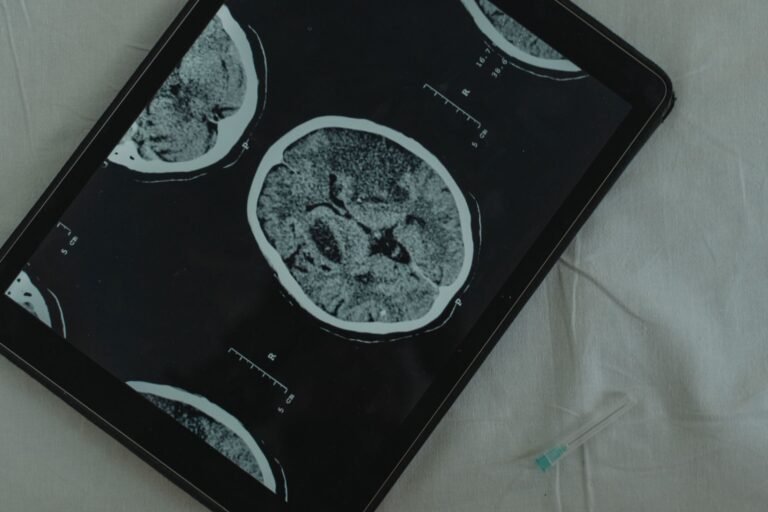
The short answer is no—chess does not matter more than medication for brain health, particularly when it comes to treating or managing dementia and cognitive decline. While chess offers genuine cognitive benefits that have been documented in research, it should never be viewed as a substitute for medications prescribed by neurologists or primary care physicians. The research shows chess can complement medical treatment, but it cannot replace it. A 2021 study published in ScienceDirect found that a 12-week chess intervention improved attention, processing speed, and executive function in older adults, but this cognitive boost was in addition to—not instead of—appropriate medical care. For someone with dementia or early signs of cognitive decline, the combination of medication, cognitive activity, and lifestyle changes offers the most comprehensive approach to managing brain health.
The confusion likely stems from well-intentioned research on cognitive reserve and brain stimulation. Studies show that people who engage regularly in mentally demanding activities like chess do tend to have better cognitive outcomes. However, researchers themselves caution against overstating these benefits. A Harvard researcher studying chess and brain health specifically noted that people who play chess are “higher performing than average” to begin with, and recommended that people prioritize physical health over cognitive activities when choosing where to focus their efforts. In other words, correlation does not equal causation, and the chess players in these studies often had other health advantages that contributed to their outcomes.
Table of Contents
- What Chess Actually Does for the Brain
- The Critical Difference Between Brain Exercise and Medical Treatment
- How Chess Fits Into a Dementia Prevention Strategy
- The Real Benefits of Chess for Dementia Patients and Caregivers
- The Danger of Delaying Medical Care
- What the Research Actually Tells Us About Chess and Aging
- Building a Realistic Brain Health Strategy
- Conclusion
What Chess Actually Does for the Brain
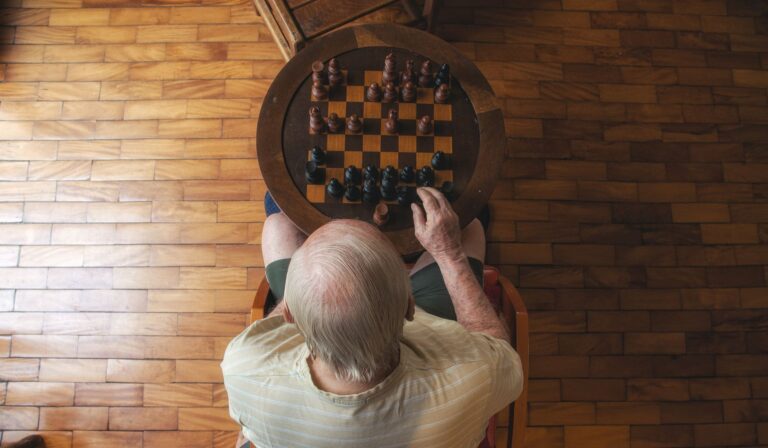
Chess genuinely enhances specific cognitive abilities, which is why neurologists and therapists increasingly recommend it as part of a comprehensive brain health strategy. Research has identified measurable improvements in memory, decision-making speed, and executive function. One study found that youth between 8 and 17 years old showed statistically significant improvements in both decision-making and working memory after participating in beginner chess groups. Expert chess players also demonstrate significantly better auditory memory compared to non-players, suggesting that intensive chess engagement creates lasting changes in how the brain processes and stores information.
For older adults specifically, chess shows promise in the context of cognitive aging. The institutionalized and semi-institutionalized older adults in the 12-week chess study experienced not only cognitive improvements but also enhanced quality of life—a benefit that extends beyond test scores. Chess requires sustained attention, forward planning, pattern recognition, and the ability to hold multiple scenarios in mind simultaneously, which means it engages many of the brain systems that deteriorate in dementia. However, a crucial limitation to understand: these studies measured improvement in people who were motivated enough to participate in a chess program, which represents a self-selected group unlikely to represent the full range of cognitive abilities in older populations.
The Critical Difference Between Brain Exercise and Medical Treatment
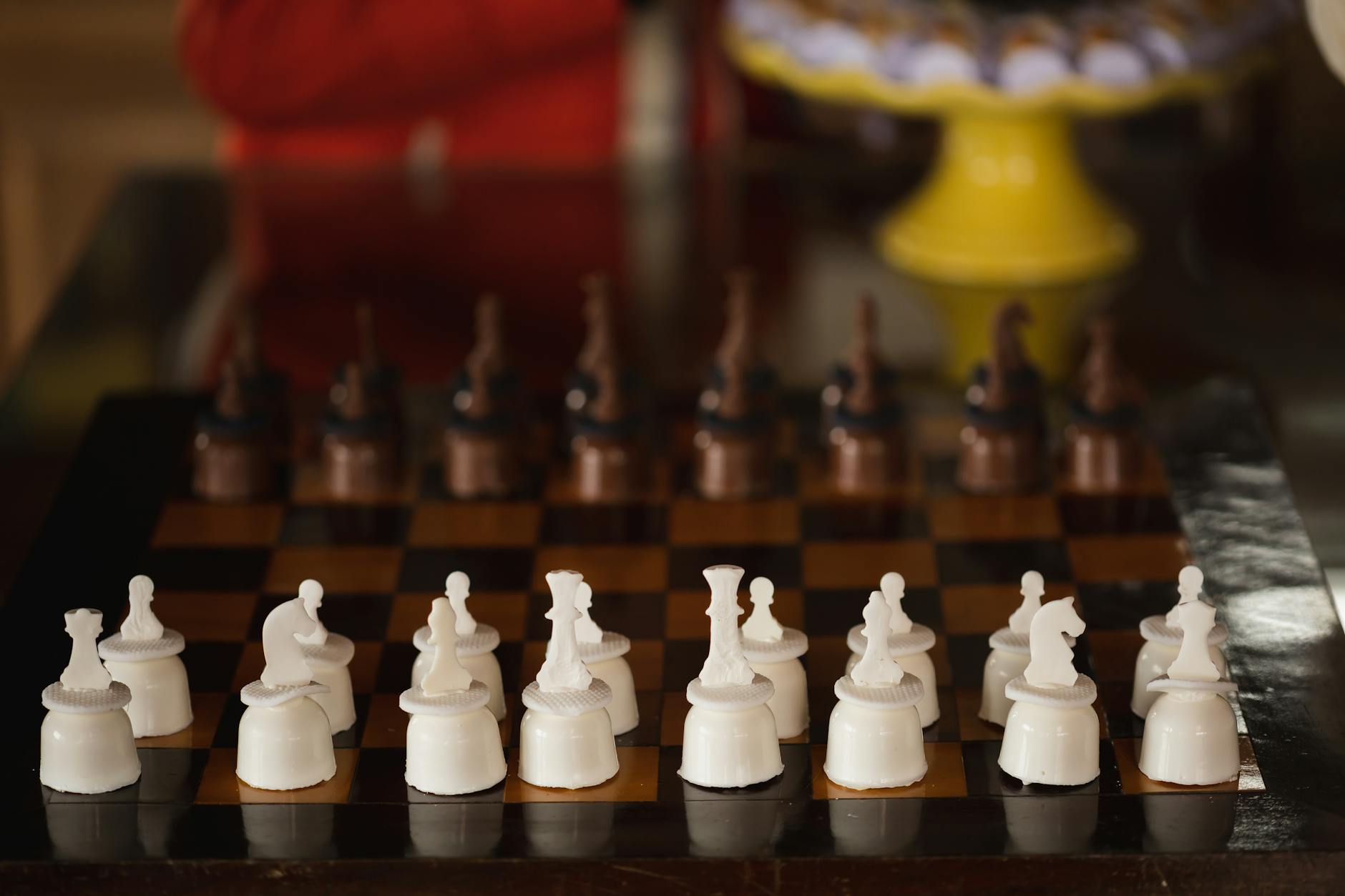
This is where the distinction between chess and medication becomes essential. Chess is a form of cognitive exercise—it stimulates the brain and may help build cognitive reserve, which is the brain’s resilience against damage. Medications for dementia and cognitive decline work through different mechanisms entirely. Drugs like donepezil (Aricept) and memantine (Namenda) target the neurochemical imbalances that drive cognitive decline.
They work at the molecular level to slow the progression of disease, whereas chess works at the behavioral level to engage and strengthen existing neural pathways. A study published in 2017 even found that cognitive-enhancing drugs like modafinil and methylphenidate improved chess performance in healthy players, suggesting that medication and cognitive activity work in complementary ways rather than as competitors. Someone taking medication for mild cognitive impairment or early-stage dementia needs that medication to address the underlying disease process. Chess can be a valuable addition to that treatment, but it cannot perform the same function as the medication itself. Researchers emphasize that when people must choose where to focus their efforts, physical health—exercise, sleep, heart health—should come before cognitive activities, because physical health directly impacts the brain’s ability to function.
How Chess Fits Into a Dementia Prevention Strategy
For people concerned about dementia risk but who don’t yet have a diagnosis, chess becomes part of a larger cognitive reserve-building strategy. One Harvard study found that older adults who engaged in 10 or more mind-exercising activities—which included chess, reading, and other intellectually demanding pursuits—delayed the onset of Alzheimer’s disease by approximately 1.5 years. A 1.5-year delay in cognitive decline is meaningful and worth pursuing, but it’s important to understand what this means: it delayed onset, not prevented it entirely, and the benefit occurred in people already engaging in multiple forms of mental stimulation.
The practical implication for someone with a family history of dementia or early cognitive concerns is this: yes, take up chess if you enjoy it. But recognize it as one piece of a much larger picture that includes cardiovascular exercise, mediterranean diet patterns, cognitive engagement with multiple activities, adequate sleep, and social connection. If you have a diagnosis of mild cognitive impairment or dementia, discuss with your neurologist whether medications are appropriate—because that conversation should happen with a physician, not after trying chess first and seeing whether it’s “enough.”.

The Real Benefits of Chess for Dementia Patients and Caregivers
For people already diagnosed with dementia or cognitive decline, chess can serve a meaningful therapeutic purpose, not as a treatment but as an engagement tool. The cognitive demands of chess keep the brain working in ways that may slow decline, and the social aspect of playing chess with others addresses the isolation that often accompanies cognitive disease. A person with mild cognitive impairment might play simplified chess variants or work on chess puzzles as part of their daily routine alongside their prescribed medications.
However, there’s an important practical limitation: as dementia progresses, the cognitive demands that make chess beneficial become inaccessible. Someone in the moderate or advanced stages of dementia may no longer be able to follow chess rules or strategy. This is where the tradeoff becomes clear—chess is most beneficial for prevention and very early stages of decline, not as a treatment once significant cognitive loss has occurred. For advanced dementia, simpler cognitive and social activities, combined with appropriate medications, become the focus.
The Danger of Delaying Medical Care
One significant warning must be emphasized: the premise of the question—that chess “matters more than medication”—can be actively harmful if it discourages someone from seeking or continuing medical treatment. Dementia is a progressive disease, and early intervention with appropriate medications offers the best chance of slowing that progression. A person who reads that chess is superior to medication and decides to forgo prescribed medications in favor of chess games could experience accelerated cognitive decline as a result.
Doctors prescribe medications for cognitive decline based on specific diagnoses, disease stage, and individual health factors. These medications aren’t perfect—they have limitations and side effects—but they address the underlying neurochemistry of dementia in ways that cognitive activities cannot. The safest approach is always to work with your neurologist or primary care physician to establish appropriate medical treatment, then add cognitive activities like chess as a complementary strategy.

What the Research Actually Tells Us About Chess and Aging
The most honest assessment from researchers who study both chess and dementia is nuanced: chess appears to be a beneficial cognitive activity, particularly for people with existing cognitive ability and the motivation to play regularly. Studies consistently show benefits for memory, processing speed, and decision-making.
But these studies also show that correlation is not causation—we know that people who play chess tend to have better cognitive outcomes, but we don’t know whether chess caused those outcomes or whether people with better cognitive abilities are simply more likely to play chess. The body of research does not support chess as a substitute for medication, and no credible neurologist would recommend it as such. What the evidence does support is chess as one element in a comprehensive brain health strategy that also includes medical care when needed, physical exercise, cognitive engagement with varied activities, social connection, and healthy lifestyle habits.
Building a Realistic Brain Health Strategy
The way forward for anyone concerned about dementia risk or managing early cognitive decline is to think in terms of layers of protection rather than single solutions. If you have concerns about your cognition, see a neurologist or your primary care doctor for evaluation—early diagnosis is valuable because it opens options for treatment. If medication is recommended, take it as prescribed.
Simultaneously, build a life that engages your mind in multiple ways: chess if you enjoy it, but also reading, learning new skills, and social engagement. For families navigating a loved one’s dementia diagnosis, the balanced approach is equally important: follow the treatment plan recommended by the medical team, which will likely include medication, and then enhance that treatment with cognitive activities, social engagement, and caregiver support. Chess can be part of that picture, but it should never be presented as an alternative to proper medical care. The evidence supports using the full toolkit available—medication, cognitive activity, physical health, and social connection—working together rather than competing for priority.
Conclusion
Chess offers genuine, documented benefits for cognitive function, particularly in domains like memory, processing speed, and decision-making. It can be a valuable part of a comprehensive brain health strategy for both dementia prevention and as a complementary activity for people with early-stage cognitive decline. However, the research unequivocally does not support the claim that chess matters more than medication for brain health.
For anyone with a dementia diagnosis or concerning cognitive symptoms, medication prescribed by a physician addresses the disease at the neurochemical level in ways that cognitive activity alone cannot achieve. The best approach to brain health is not an either-or choice but a both-and strategy: work with your doctor to establish appropriate medical care, engage your mind regularly with activities you enjoy (including chess if it appeals to you), maintain physical health through exercise, nurture social connections, and prioritize sleep and cardiovascular health. This comprehensive approach, supported by evidence across neurology, geriatrics, and psychology, offers the most robust protection against cognitive decline and the best quality of life as we age.
You Might Also Like
- Why playing an instrument Matters More Than Medication for Brain Health
- Why playing an instrument Matters More Than Medication for Brain Health
- Why taking 8,000 steps a day Matters More Than Medication for Brain Health
For more, see NIH MedlinePlus — cognitive testing.