Reviewed by the Help Dementia Editorial Team — our editors review every article for accuracy against guidance from the National Institute on Aging, the Alzheimer’s Association, and peer-reviewed sources.
Playing a musical instrument operates on the brain in ways that medication often cannot. Research shows that learning and practicing an instrument creates measurable structural changes in the brain, activates dopaminergic pathways similarly to certain medications, and provides cognitive benefits that extend across a lifetime. Where medication typically targets symptoms—managing anxiety, addressing attention deficit, or slowing cognitive decline—instrumental music training builds resilience into the brain’s architecture itself. For a person concerned about dementia risk or cognitive decline, picking up an instrument is not just a leisure activity; it is arguably one of the most direct interventions available.
The difference becomes clearer when we look at the evidence. A 2024 study from the University of Exeter found that adults over 75 who frequently played musical instruments were significantly less likely to have developed dementia than those who rarely played. In parallel studies, listening to music proved more effective than prescription sedatives at reducing anxiety before surgery. This is not to suggest abandoning necessary medications, but rather to acknowledge that instrument playing occupies a unique space in brain health—it is both preventative and therapeutic, working through natural neurological mechanisms that evolution designed into our brains.
Table of Contents
- How Does Playing an Instrument Compare to Medication for Brain Protection?
- The Brain Changes That Come From Playing an Instrument
- Which Instruments Offer the Greatest Brain Benefits?
- Starting an Instrument Practice When Brain Health Is Your Goal
- Anxiety, Depression, and Music as a Direct Medication Alternative
- Brain Health Across the Lifespan: From Children to Elderly
- The Future of Music-Based Brain Health
- Conclusion
How Does Playing an Instrument Compare to Medication for Brain Protection?
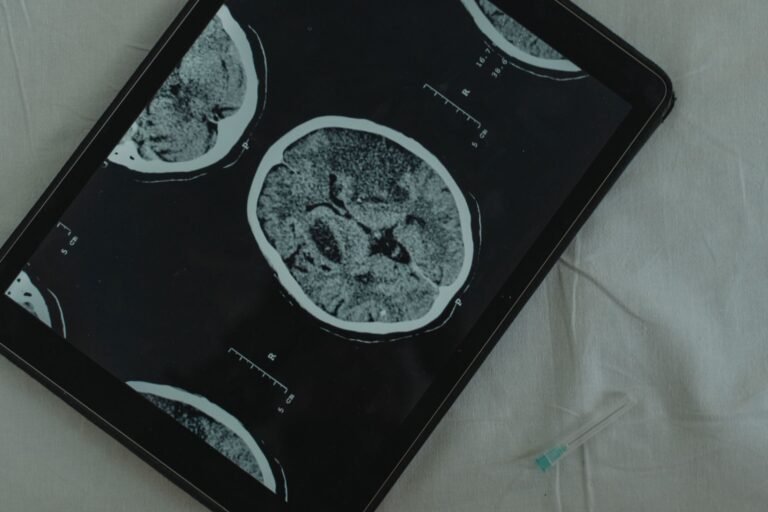
The comparison between instrumental music and medication reveals a fundamental distinction: medication typically addresses existing problems, while instrument playing builds preventative capacity. Consider a 65-year-old beginning early cognitive changes. A prescription might slow the progression of memory decline. But research on musical training shows it can actually strengthen the very neural pathways responsible for memory formation. Children who underwent musical instrument training for just 15 months demonstrated measurable structural changes in three key brain regions: the precentral gyrus (controlling fine motor coordination), the corpus callosum (connecting brain hemispheres), and Heschl’s gyrus (auditory processing center). These changes were not theoretical—they were visible on brain scans and correlated with improved cognitive performance.
The dopaminergic activation from music playing adds another dimension. When you engage the reward centers of your brain through music, you trigger the mesolimbic dopaminergic pathways—the same systems that certain psychiatric medications attempt to modulate chemically. With medication, you receive a fixed dose of chemical adjustment. With instrument playing, you generate your own neurochemical response through effort and practice, and that response scales with your engagement level. One limitation worth noting: medication provides consistent dosing, while the benefits of instrument playing depend heavily on consistent practice. Someone who plays piano once a week will not experience the same brain development as someone who practices daily.

The Brain Changes That Come From Playing an Instrument
The structural transformation begins early. In children, just 15 months of regular instrumental practice reshapes the developing brain. The precentral gyrus expands to handle the fine motor demands of playing. The corpus callosum—the bridge between your brain’s two hemispheres—thickens, improving communication between regions. The Heschl gyrus, your brain’s primary auditory cortex, becomes more efficient at processing complex sound patterns. These are not subtle changes. They are visible, measurable, and they translate directly to real cognitive gains: better verbal memory, improved reading ability, stronger executive function, and even more accurate pronunciation in second languages. In older adults, the protective effect becomes even more significant. The 2024 University of Exeter research specifically examined participants over 75 years old. Those who frequently played instruments were substantially less likely to develop dementia.
This finding matters because dementia prevention in the elderly is notoriously difficult—most medications offer modest slowing of decline rather than prevention. Yet here was a behavioral intervention that appeared to prevent the disease from developing in the first place. One important caveat: the brain changes correlate directly with practice intensity and duration. Playing casually once a month is not equivalent to serious practice. The research shows that structural and functional brain adaptation increases proportionally with how much time you invest and how intensely you practice. A 30-minute daily practice routine produces measurable changes. A casual twice-weekly session produces lesser effects. This means the benefits of instrument playing are not passive—they require commitment. Someone with arthritis or significant physical limitations may find playing difficult or impossible, whereas medication works regardless of physical capability. This is a real limitation of music as a therapeutic tool.
Which Instruments Offer the Greatest Brain Benefits?
Piano emerged as the standout choice when researchers compared cognitive benefits across different instruments. Among the instruments studied, piano playing showed the greatest benefits for executive function—your brain’s ability to plan, organize, make decisions, and manage attention. This makes neurological sense: piano demands simultaneous bilateral hand coordination (each hand doing something different), reading two simultaneous musical lines, maintaining tempo, and managing dynamics. Your brain must integrate visual information, auditory feedback, motor control, and timing all at once. Woodwinds and brass instruments also provided cognitive benefits, though the research indicates they trail slightly behind piano in terms of measurable executive function gains.
The instrument you choose, however, should depend on your interests and physical capabilities, not just optimal brain science. A person who has always been drawn to violin but cannot manage piano’s hand span should play violin. An older adult with arthritis might struggle with keyboard instruments but find wind instruments manageable. Guitar, drums, and other instruments not specifically highlighted in the research still provide significant cognitive stimulation. The largest benefit comes from consistent practice on any instrument you’re motivated to play, because commitment and engagement matter more than which instrument is theoretically optimal.

Starting an Instrument Practice When Brain Health Is Your Goal
If dementia prevention or cognitive maintenance is your primary motivation for learning an instrument, approach it differently than someone learning purely for musical enjoyment. Structure matters. Rather than taking casual lessons when you feel like it, commit to a specific practice routine—ideally 30 minutes to an hour most days. The research on practice intensity shows that this consistency produces measurable brain changes. Neurogenetic alterations linked to genes controlling brain development (BDNF, SNCA, and GATA2) respond to practice duration and intensity. More practice creates more neurological adaptation.
Compare this to medication for cognitive support: a pill requires no commitment beyond remembering to take it daily. Instrument practice requires motivation, time investment, and willingness to be uncomfortable while learning. Yet this is actually an advantage. The cognitive effort of learning—struggling with a difficult passage, gradually improving, pushing yourself to play faster or more accurately—itself stimulates brain development. A study of medications cannot demonstrate this because the patient remains passive. With music, you are actively building your own brain resilience. The tradeoff is clear: instruments demand effort, but that effort is precisely what makes them effective.
Anxiety, Depression, and Music as a Direct Medication Alternative
The evidence for music’s effect on anxiety rivals that of pharmaceutical intervention. Clinical research demonstrated that listening to music was more effective than prescription sedatives at reducing anxiety before surgery. This finding stunned many because it compared not to placebo but to actual medication. The mechanism involves dopaminergic activation and the brain’s reward centers—the same targets that anti-anxiety medications attempt to reach through chemistry. Yet music achieves this through natural neurological mechanisms.
One limitation to understand: the research compared music listening to medication for acute anxiety. Someone with chronic severe anxiety or a diagnosed anxiety disorder should not abandon necessary psychiatric medication in favor of music. However, for everyday stress and the low-grade anxiety that accompanies aging or cognitive concerns, music—whether listening or playing—offers a powerful alternative with no pharmaceutical side effects. The warning here is that music benefits require engagement. Passively having music play in the background differs from the active cognitive engagement of playing an instrument, which is why playing generally produces larger measured effects than listening.

Brain Health Across the Lifespan: From Children to Elderly
The timeline of instrumental music’s protective effects spans decades. In children, musical training predicts future academic performance and IQ in young adulthood—benefits that extend well beyond music itself. In middle age, maintaining musical practice helps preserve cognitive sharpness. In older adults, particularly those over 75, instrument playing appears to prevent or significantly delay dementia onset. This is remarkable because it suggests that a single behavior—learning and maintaining instrumental skill—provides benefit throughout life.
Consider a 35-year-old starting piano for the first time. The research on brain plasticity shows that adult brains remain capable of significant adaptation. That person would still experience structural brain changes, cognitive improvements, and protective effects. Starting late is better than never starting. For someone already concerned about memory changes or cognitive decline, beginning instrumental practice addresses the problem at its neural foundation rather than treating symptoms after they emerge.
The Future of Music-Based Brain Health
As dementia becomes an increasingly critical public health issue, and as the limitations of medication-based approaches become clearer, the research on instrumental music is gaining momentum. Neuroscience is increasingly capable of explaining how sound, motor practice, and cognitive engagement literally rewire the brain. Future research will likely identify optimal practice protocols—specific durations, intensities, and musical styles that produce maximum protective effect. This could formalize music training into clinical recommendations for dementia prevention.
The broader implication is philosophical: brain health emerges not just from what we consume (medication) but from what we do. An 80-year-old pianist is not protecting her brain despite playing piano; she is protecting it through piano. This reframes aging entirely. Rather than viewing cognitive decline as inevitable and medication as the primary intervention, we begin to see deliberate, engaged cognitive activity—like learning or maintaining instrumental skill—as fundamental to brain resilience. The evidence is increasingly clear: what we do shapes our brain more than what we take.
Conclusion
Playing a musical instrument is not a replacement for necessary medication, but it operates in a different category entirely. Where medication manages existing symptoms, instrumental practice builds cognitive resilience and prevents decline from emerging in the first place. The research is now substantial enough that the question is no longer whether music benefits the brain, but how to integrate it into health recommendations for aging and dementia prevention. For anyone concerned about brain health, the practical answer is straightforward: if you can play an instrument, prioritize consistent practice.
If you cannot currently play, learning one is one of the most well-researched, side-effect-free interventions available for cognitive protection. The commitment required—the daily practice, the effort, the patience with gradual improvement—is not a burden but the mechanism by which the benefit occurs. Your brain changes through what you do. Make instrument playing part of what you do, and you change your brain’s trajectory.