Reviewed by the Help Dementia Editorial Team — our editors review every article for accuracy against guidance from the National Institute on Aging, the Alzheimer’s Association, and peer-reviewed sources.
The MIND diet could be one of the most powerful tools you have to protect your brain as you age past 60. Research suggests that following this dietary pattern can slow brain aging by more than two years compared to those who don’t adhere to it—and some studies show that people with the highest diet adherence score have cognitive abilities equivalent to someone 7.5 years younger. Consider Margaret, a 68-year-old who gradually adopted the MIND diet after her mother was diagnosed with mild cognitive impairment.
Over three years, her own memory and mental sharpness remained stable while several peers her age reported noticeable decline—a difference she largely attributes to the dietary changes her neurologist recommended. The MIND diet stands for Mediterranean-DASH Intervention for Neurodegenerative Delay, combining the brain-protective elements of the Mediterranean diet with specific components from the DASH diet. It was developed specifically to target aging brain health and reduce the risk of cognitive decline and dementia. Unlike trendy diets that come and go, the MIND diet is grounded in decades of nutritional science and represents what researchers have learned about which foods actively protect brain tissue.
Table of Contents
- What Makes the MIND Diet Different for Brain Aging?
- The Brain Science Behind Why MIND Diet Works
- Which Foods Truly Matter for Brain Protection?
- How to Actually Start Implementing the MIND Diet
- Understanding the Limitations and What Recent Research Actually Shows
- How MIND Diet Compares to Other Brain Health Approaches
- Moving Forward—What We Still Need to Understand
- Conclusion
What Makes the MIND Diet Different for Brain Aging?
The MIND diet differs from general mediterranean or DASH approaches because it was specifically designed with brain aging in mind. Researchers focused on foods with the strongest evidence for protecting cognitive function, then built a practical eating pattern around them. This targeted approach means you’re not just eating healthy—you’re eating strategically for your brain’s specific needs as you age. A large body of observational research, including data from the Framingham Heart Study involving more than 1,600 older adults with an average starting age of 60, supports these benefits. Systematic reviews examining multiple studies found that 9 out of 11 research papers showed positive relationships between higher MIND diet adherence and better preservation of cognitive function.
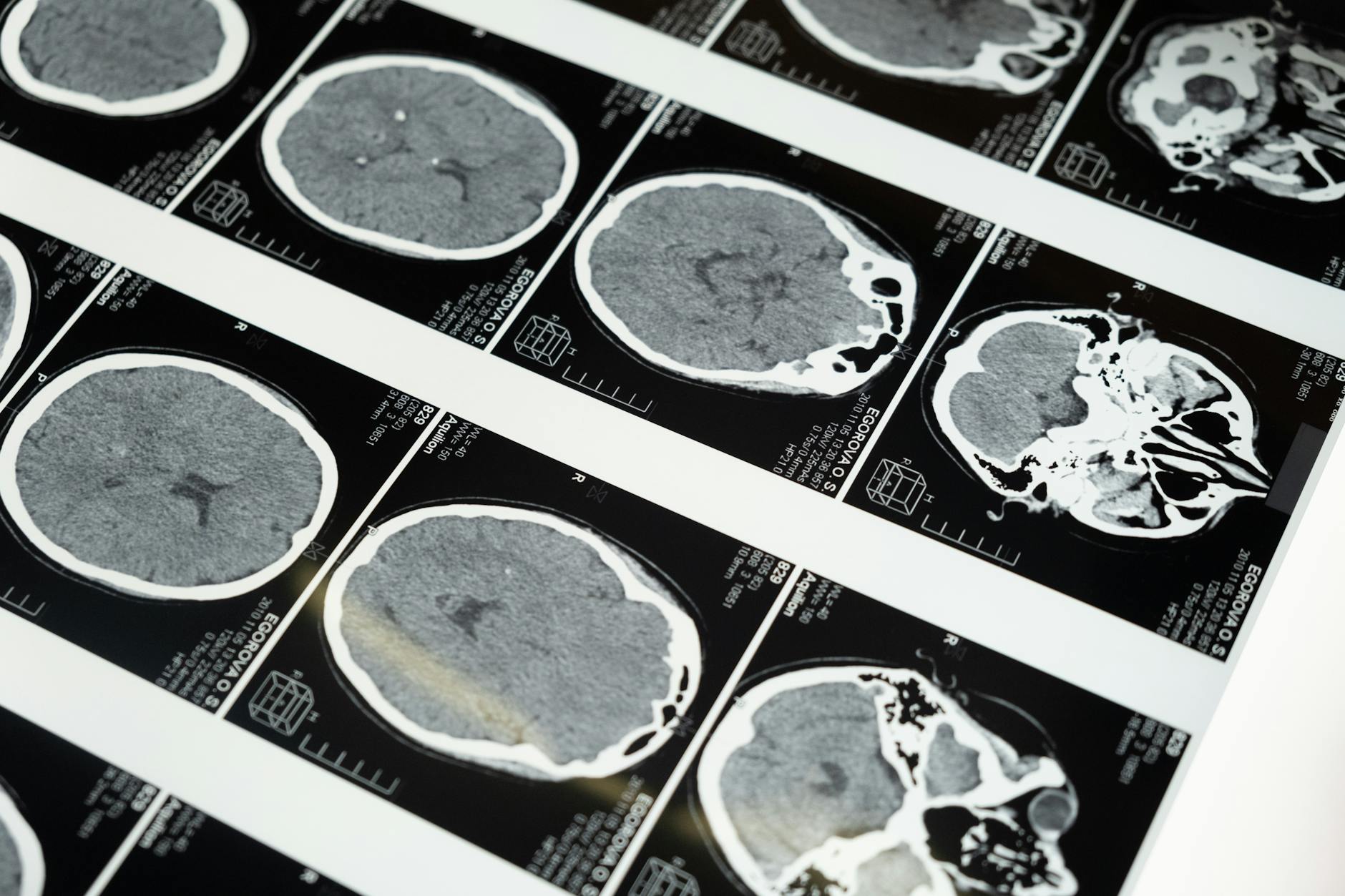
The research is particularly striking when you consider that brain aging is usually thought of as inevitable—yet dietary choices appear to meaningfully slow the process. However, it’s important to understand what “slowing brain aging by two years” actually means in practice. This refers to measurements of brain structure, specifically the development of brain ventricles—the fluid-filled spaces in the brain that enlarge as we age and lose brain tissue. For every 3-point increase in MIND diet adherence score, studies showed an 8% reduction in this ventricle development. This is measurable on brain scans, not just a theoretical benefit, but it’s distinct from the dramatic cognitive improvements some might hope for.

The Brain Science Behind Why MIND Diet Works
The MIND diet preserves gray matter—the tissue responsible for memory formation and decision-making—more effectively than standard eating patterns. People who follow the diet most closely show not only greater gray matter volume but also slower overall brain volume loss over time. As we age, all of us lose some brain tissue, but the MIND diet appears to put the brakes on this process. This works through multiple mechanisms. The foods emphasized in the MIND diet are rich in antioxidants and anti-inflammatory compounds that protect brain cells from damage. Omega-3 fatty acids in fish support the structure and function of neurons.
B vitamins in leafy greens and whole grains support energy metabolism in brain tissue. Flavonoids in berries have been shown in laboratory studies to reduce inflammation and oxidative stress in neural tissue. The diet works not through a single miracle nutrient, but through a coordinated combination of protective compounds. One important limitation to understand: these benefits have been documented primarily through observational studies, where researchers follow people who choose to eat certain ways and measure their outcomes over time. While this type of research is valuable and involves large populations followed for many years, it cannot prove that the diet itself causes the brain protection—only that the two are associated. Randomized controlled trials, which are the gold standard for proving causation, have produced more mixed results. A recent three-year controlled trial among cognitively normal older adults with a family history of dementia showed promising improvements in years one and two, but by year three, the cognitive differences between those following the MIND diet and a control group were no longer significant.
Which Foods Truly Matter for Brain Protection?
Research has identified which specific foods in the MIND diet show the strongest links to cognitive benefits. Berries and poultry stand out as particularly protective—multiple studies have found these foods most strongly associated with preserved cognitive function. Leafy greens like spinach, kale, and collards also appear consistently beneficial. Fish rich in omega-3 fatty acids, nuts, legumes, whole grains, olive oil, and wine in moderation round out the protective foods. The flip side is equally important: avoiding certain foods matters for brain health.
Sweets, fried foods, butter, cheese, and red meat correlate with greater brain atrophy when consumed in high quantities. This doesn’t mean you can never have these foods, but the MIND diet is specific about making them occasional rather than regular. An older adult who eats a burger with fries twice a week faces a very different brain aging trajectory than one who has these foods once a month. For practical purposes, you don’t need to memorize lists. Instead, the MIND diet gives you a simple framework: make two-thirds of your plate vegetables, fruits, and whole grains; include fish or poultry as your protein most days; use olive oil as your primary cooking fat; and treat sweets, fried foods, and fatty meats as occasional indulgences rather than staples. James, a 72-year-old who adopted this approach, found that once he had this framework, the specific food choices became intuitive rather than restrictive.
How to Actually Start Implementing the MIND Diet
The common mistake people make is trying to overhaul everything at once. A more realistic approach is gradual substitution: replace butter with olive oil, swap red meat for fish twice a week, add a handful of berries to breakfast, choose spinach over iceberg lettuce. These small changes accumulate, and research suggests cognitive benefits begin appearing within a year or two of consistent adherence. The MIND diet differs from strict Mediterranean eating in its flexibility. It’s designed for real life, not perfection.
You don’t need to be Mediterranean or travel to Spain to eat this way. The core principle is choosing foods high in neuroprotective compounds while minimizing foods that promote inflammation in the brain. A typical day might look like: oatmeal with blueberries for breakfast, a salad with leafy greens and olive oil dressing for lunch, fish with roasted vegetables for dinner, a small handful of nuts for a snack, and perhaps a glass of wine with dinner if you drink alcohol. One practical advantage of the MIND diet over some others is that it emphasizes whole foods rather than supplements. While some manufacturers market “brain health” supplements, evidence shows that getting these nutrients from food is more effective. Food provides nutrient combinations that work synergistically, and your body absorbs them more effectively than from isolated supplements.
Understanding the Limitations and What Recent Research Actually Shows
The mixed results from the most recent randomized controlled trial deserve serious attention. This was a well-designed study published in a top medical journal, and it showed that among cognitively normal older adults with a family history of dementia, following the MIND diet did not prevent cognitive decline over three years compared to a control group. This finding matters, and it’s important not to overstate what the MIND diet can do. What the trial did show is that cognitive function improved or remained more stable in the first one to two years of following the MIND diet, even if these benefits didn’t persist through year three. This suggests the MIND diet might be beneficial during a critical window, or that other factors (like physical activity, sleep, and cognitive engagement) become increasingly important as time goes on.
The study doesn’t prove the MIND diet is ineffective—it complicates the narrative and shows we need to understand more about how it works and for whom. This is why honest communication about dementia prevention is crucial. The MIND diet appears to be protective, possibly significantly so, but it’s not a guarantee. It’s one piece of a broader lifestyle approach that should also include regular physical activity, cognitive engagement, strong social connections, adequate sleep, and management of conditions like high blood pressure and diabetes. Older adults who have adopted the MIND diet while neglecting exercise are likely not getting the full potential benefit.

How MIND Diet Compares to Other Brain Health Approaches
The MIND diet sits at the intersection of two well-researched dietary patterns: the Mediterranean diet (long studied for heart and brain benefits) and the DASH diet (known for blood pressure management). Both parent diets have substantial research supporting cognitive benefits, particularly when followed in midlife and early older age. The MIND diet takes the brain-protective elements of each and combines them, making it more specifically targeted than either alone.
Some people ask whether they should simply follow a Mediterranean diet instead. The answer is that the MIND diet is Mediterranean at its foundation—the difference is that it’s more restrictive about certain foods (like red meat and full-fat cheese) while being more specific about brain-protective foods (like berries and leafy greens). If you’re already following a Mediterranean pattern, transitioning to MIND diet structure might involve subtle shifts rather than major changes. Others who have tried Mediterranean eating and found it difficult might actually find MIND diet easier because it provides clearer guidance about which foods matter most for your specific goal.
Moving Forward—What We Still Need to Understand
Researchers are continuing to investigate critical questions about the MIND diet. Why did the recent trial show benefits that didn’t persist? Are there certain subgroups of people for whom the diet works particularly well—perhaps those with specific genetic risk factors for dementia, or those who start following it at earlier ages? How important is the degree of adherence, and can someone get meaningful protection from partial adherence, or does the diet need to be followed rigorously? Future research may also reveal whether combining the MIND diet with other interventions—such as regular aerobic exercise, cognitive training, or specific supplements like B vitamins—produces synergistic benefits.
The current evidence suggests that people who do best at protecting their cognitive function in older age are those who combine several protective strategies rather than relying on diet alone. This integrated approach seems more powerful than any single intervention, which is an important message for anyone concerned about brain health.
Conclusion
The MIND diet could be important for adults over 60 because it’s based on decades of research about which foods protect brain tissue and slow cognitive aging. The evidence from observational studies is compelling, showing associations between high adherence and brain protection equivalent to being 7.5 years younger cognitively. At the same time, being honest about what we know means acknowledging that recent controlled trials show more mixed results, and the diet appears to work best as part of a broader lifestyle approach that includes physical activity, cognitive engagement, and management of cardiovascular risk factors.
If you’re over 60 and concerned about cognitive health, adopting the MIND diet is a reasonable, evidence-informed choice. It’s not a guarantee against cognitive decline, but it represents one of the most practical, food-based strategies available to actively support your brain as you age. The best time to start is now—research suggests that dietary patterns established in your 60s and 70s can meaningfully affect cognitive outcomes in your 80s and beyond. Working with a healthcare provider or registered dietitian to personalize the approach for your health conditions, preferences, and goals will give you the best chance of maintaining this pattern long-term.