Reviewed by the Help Dementia Editorial Team — our editors review every article for accuracy against guidance from the National Institute on Aging, the Alzheimer’s Association, and peer-reviewed sources.
Whole grains sits at the center of this dementia and brain health question.
Whole grains could be among the most important dietary investments adults over 50 can make for their long-term brain health. Research increasingly shows that people who eat the most whole grains have significantly lower rates of cognitive decline and dementia compared to those eating refined grains. In a substantial 2023 study of nearly 3,000 Massachusetts residents followed over 12 years, adults consuming the highest amounts of whole grains were 28 percent less likely to develop all-cause dementia and 36 percent less likely to develop Alzheimer’s dementia—a protective effect that rivals many pharmaceutical interventions currently in development. This isn’t a minor nutritional advantage.
The data suggests that something as accessible as switching to brown rice, whole wheat bread, or oatmeal could meaningfully alter the trajectory of cognitive aging. A person eating whole grain pasta for lunch instead of refined pasta, or choosing a whole grain cereal instead of processed breakfast options, is making a choice that compounds over years into measurable protection against the neurological changes that lead to memory loss and cognitive decline. The evidence comes from rigorous observational studies involving thousands of participants across different populations, lending weight to what was once an intuitive recommendation about whole grains. What researchers have discovered is not just that whole grains are “good for you,” but specifically how and why they protect the aging brain—and how much of them you need to eat to make a difference.
Table of Contents
- How Do Whole Grains Protect Against Cognitive Decline and Dementia?
- What Makes Whole Grains Different from Refined Grains?
- Beyond Memory—How Whole Grains Support Overall Brain Function
- How Much Whole Grain Do You Actually Need to Eat?
- What About Gluten Sensitivity and Whole Grain Digestion Issues?
- The Role of Whole Grains in a Comprehensive Brain-Health Diet
- What’s Next in Whole Grain Research and Brain Health?
- Conclusion
How Do Whole Grains Protect Against Cognitive Decline and Dementia?
Whole grains protect the brain through multiple mechanisms working together. They contain an arsenal of protective compounds: phenolic compounds that function as antioxidants, dietary fiber that supports gut health, B vitamins essential for brain energy production, vitamin E which shields neural cells, and betaine which supports memory function. These nutrients reduce oxidative stress—the cellular damage that accumulates with age—and neuroinflammation, the low-grade brain inflammation linked to Alzheimer’s development. The gut-brain axis, a newly understood connection between digestive health and neurological function, is modulated by the fiber in whole grains, influencing everything from mood to cognitive processing. Studies of different populations have shown remarkably consistent patterns.
When researchers tracked over 3,000 participants with detailed dietary records, they found that eating more than three servings of whole grains daily was linked to significantly slower rates of cognitive decline compared to those eating fewer servings. In a study of 5,020 middle-aged and older Chinese adults, those eating the most whole grains had notably higher cognitive function scores, including better auditory verbal learning and verbal fluency, plus lower rates of mild cognitive impairment. The pattern holds across racial and ethnic groups. One striking finding came from Rush University research on African American participants. Those eating more servings of whole grains showed cognitive decline rates equivalent to being 8.5 years younger over a 10-year observation period. This means that dietary choices with whole grains could potentially offset decades of aging-related cognitive changes—a profound public health implication for a population experiencing disproportionately high rates of Alzheimer’s disease.

What Makes Whole Grains Different from Refined Grains?
The distinction between whole grains and refined grains is biological, not just cosmetic. Whole grains retain all three parts of the grain kernel: the outer bran layer packed with fiber and nutrients, the nutrient-rich germ at the grain’s center, and the starchy endosperm. Refined grains have been stripped down to mostly the endosperm, losing approximately 75 percent of the nutrients and nearly all the fiber in the process. When you eat white bread instead of whole wheat, or white rice instead of brown rice, you’re consuming a nutritionally reduced product—convenient to process and store, but depleted of the compounds that protect your brain. The cardiovascular connection matters as well. Greater whole grain intake compared to refined grains is associated with reduced risk of cardiovascular disease and type 2 diabetes—conditions that themselves accelerate cognitive decline.
A person with uncontrolled blood sugar or atherosclerosis in their arteries is more likely to experience faster memory loss and cognitive impairment. By eating whole grains, you’re simultaneously protecting both your heart and your brain. One important limitation exists in the current research: most evidence comes from observational studies, which show associations but cannot definitively prove cause-and-effect relationships. One recent study examining grey matter volume found mixed findings, though researchers characterized those results as exploratory and not yet fully explained. This means the mechanism isn’t completely understood, and individual responses may vary. Someone who adds whole grains to an otherwise poor diet won’t experience the full protective benefit without addressing other risk factors like exercise, cognitive stimulation, and cardiovascular health.
Beyond Memory—How Whole Grains Support Overall Brain Function
The cognitive benefits of whole grains extend beyond dementia prevention to daily mood and anxiety levels. The weight of evidence suggests that higher whole-grain intake is linked to better mood and less anxiety—effects that matter significantly for quality of life in the second half of adulthood. Someone switching to whole grain breakfasts might not just be reducing their dementia risk; they may also notice improved emotional resilience and fewer depressive symptoms. This mood-brain-gut connection works through multiple pathways. Whole grain fiber feeds beneficial bacteria in your digestive system, which produce neurotransmitters and anti-inflammatory compounds that directly influence brain chemistry.
The B vitamins in whole grains support the production of serotonin and other mood-regulating neurotransmitters. Someone eating predominantly refined grains is essentially running their mood regulation system on reduced fuel compared to someone eating whole grains. The B vitamins deserve specific attention. Whole grains are a primary dietary source of B6, B12, and folate—vitamins intimately involved in how the brain processes information and manages stress. Age-related B vitamin deficiencies have been linked to cognitive decline in multiple studies, making whole grains a particularly important dietary source for adults over 50 who may have reduced absorption of these vitamins.
How Much Whole Grain Do You Actually Need to Eat?
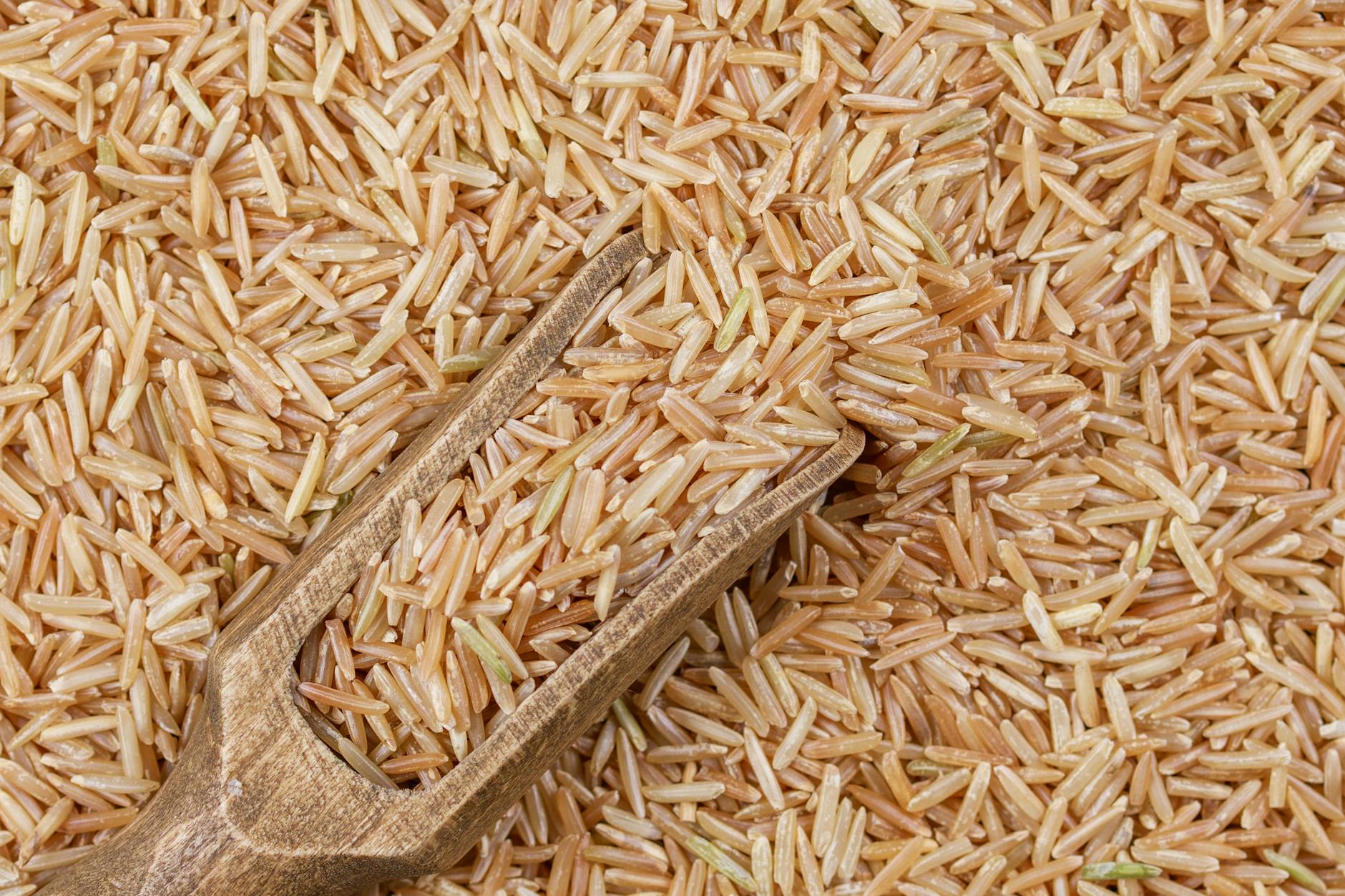
The research points to a specific threshold: consuming more than three servings of whole grains daily appears to be where the cognitive benefits become measurable. A serving is typically a cup of cooked whole grain cereal or rice, a slice of whole grain bread, or half a cup of dry whole grain cereal. For someone currently eating no whole grains, this represents a substantial dietary shift. For someone eating one or two servings daily, adding one or two more is achievable through straightforward changes like choosing whole grain bread for sandwiches and whole grain pasta for dinner. The practical tradeoff is that whole grains take more time to prepare than their refined counterparts and require deliberate selection at grocery stores and restaurants.
They also cost slightly more in many markets, which creates a barrier for people on fixed incomes—a consideration that shouldn’t be overlooked given that cognitive decline disproportionately affects older adults with limited resources. However, whole grains store well in dried form, can be prepared in batches and frozen, and become faster to use once you’ve incorporated them into regular cooking habits. Consider a practical example: someone accustomed to white toast and instant oatmeal could shift to whole grain toast and steel-cut oats. Someone eating white rice with dinner could gradually introduce brown rice or other whole grains like quinoa or farro. The shift doesn’t require eliminating carbohydrates—it requires choosing carbohydrates that retain their nutritional integrity. Someone who makes this shift will likely notice they feel fuller longer after meals, which is an additional benefit beyond brain protection.
What About Gluten Sensitivity and Whole Grain Digestion Issues?
For people with celiac disease or non-celiac gluten sensitivity, the majority of whole grains containing gluten are not options. However, whole grain alternatives exist and carry the same protective compounds: certified gluten-free oats, brown rice, quinoa, millet, and amaranth are all nutritionally dense whole grains without gluten. Someone with gluten sensitivity isn’t excluded from the brain-protective benefits of whole grains; they simply need to choose alternatives. Digestive adjustment is another real consideration. People accustomed to refined grains may experience bloating, gas, or loose stools when increasing their fiber intake rapidly.
The solution is gradual introduction—adding whole grains incrementally over weeks rather than switching entirely overnight, and increasing water intake to help the digestive system process the additional fiber. Within two to three weeks, most people’s digestive systems adapt and these symptoms resolve. A warning is important here: someone with inflammatory bowel disease, irritable bowel syndrome, or severe digestive conditions should consult with a healthcare provider before dramatically increasing whole grain intake, as the fiber can temporarily aggravate symptoms. In these cases, cooked whole grains are typically easier to digest than raw or crunchy varieties, and introduced slowly. The goal is sustainable dietary change, not rushing into changes that trigger digestive distress.

The Role of Whole Grains in a Comprehensive Brain-Health Diet
Whole grains don’t work in isolation. Their brain-protective effects are strongest when combined with other evidence-based dietary patterns. Someone eating whole grains but also consuming high amounts of sugar, ultra-processed foods, and trans fats will not experience the full protective benefits.
The Mediterranean diet and MIND diet—both of which include whole grains as a foundational component—have shown clear cognitive benefits in research, with whole grains being one element of a broader dietary pattern. A concrete example: a person eating whole grain cereal with berries, omega-3 rich fish twice weekly, abundant vegetables, and minimal processed foods is building cognitive reserve through multiple mechanisms. The whole grains address oxidative stress and neuroinflammation, the fish provides omega-3 fatty acids essential for neural cell structure, and the vegetables contribute additional antioxidants. Whole grains are particularly important because they’re typically inexpensive and shelf-stable, making them more accessible for long-term dietary adherence compared to fresh fish or expensive supplements.
What’s Next in Whole Grain Research and Brain Health?
While observational evidence is strong, researchers are conducting additional studies to understand the mechanisms more completely and identify which specific whole grains might offer the greatest benefits. Some preliminary evidence suggests that variety in whole grain consumption might be beneficial—consuming brown rice, whole wheat, oats, and other whole grains throughout the week rather than eating the same grain repeatedly. This diversity approach would ensure exposure to the full spectrum of protective compounds since different grains have slightly different nutritional profiles.
The evidence trajectory suggests that whole grain intake recommendations for cognitive health will likely become more specific and prominent in dietary guidelines for older adults in the coming years. As research clarifies mechanisms and identifies optimal intake levels for different populations, whole grains will move from a general health recommendation to a specifically targeted intervention for cognitive aging. For adults over 50 currently making dietary decisions, the existing evidence is strong enough to warrant making whole grains a dietary cornerstone.
Conclusion
Whole grains represent one of the most accessible, affordable, and evidence-supported tools available to adults over 50 for protecting their cognitive health. The research is neither marginal nor ambiguous: people eating substantial amounts of whole grains experience demonstrably lower rates of cognitive decline and dementia. The mechanisms are clear—whole grains reduce oxidative stress and neuroinflammation, support cardiovascular health, and modulate the gut-brain axis—and the effect sizes are meaningful.
Starting today, the practical next step is simple: identify one meal or snack currently based on refined grains and replace it with a whole grain alternative. Choose a change that fits your life and preferences, make it gradually, and build from there. Over months and years, these incremental choices accumulate into the kind of dietary pattern that research shows can alter your cognitive aging trajectory by years. For brain health, whole grains aren’t a supplement or a trend—they’re foundational nutrition.
You Might Also Like
- Why wild blueberries Could Be the Most Important Brain Food for Adults Over 50
- Why walnuts Could Be the Most Important Brain Food for Adults Over 70
- Why turmeric Could Be the Most Important Brain Food for Adults Over 65
For more, see NIH MedlinePlus — cognitive testing.