Iran war sits at the center of this dementia and brain health question.
The Iran War is fundamentally reshaping Middle Eastern alliances by forcing countries to choose between alignment with Iran’s regional network—which includes Syria, Hezbollah, and various Shiite militias—and partnership with the United States and its traditional Arab allies like Saudi Arabia, the UAE, and Israel. This realignment is being driven by Iran’s pursuit of nuclear capability, its support for proxies throughout the region, and the direct military confrontation that has disrupted the balance of power that persisted for decades. For example, nations like Saudi Arabia and the UAE, which historically maintained distance from Israel, are now openly cooperating on defense and intelligence matters as a counterbalance to Iranian influence.
This article examines how the conflict is breaking apart old partnerships, creating unexpected alliances, and potentially redrawing the entire regional map. The geopolitical stakes of this realignment extend far beyond military posturing. Countries across the Middle East are being forced to recalculate their economic relationships, defense partnerships, and diplomatic positioning. In some cases, nations are hedging their bets by maintaining unofficial channels with both sides—a strategy that carries its own risks and consequences.
Table of Contents
- How Is the Iran Conflict Driving New Coalitions Across the Arab States?
- Why Are Historical Rivals Now Collaborating on Defense?
- What Role Do Non-Arab Nations Play in This New Alignment?
- How Are Economic Sanctions Reshaping Trade Relationships?
- What Are the Risks of Instability in This New Alliance Structure?
- How Are Smaller Nations Positioning Themselves?
- What Does This Mean for the Region’s Future?
- Conclusion
- Frequently Asked Questions
How Is the Iran Conflict Driving New Coalitions Across the Arab States?
Traditional Arab-Israeli animosity has given way to pragmatic cooperation in the face of what many Arab governments perceive as a greater threat: Iran’s expanding regional dominance. The Abraham Accords, which saw the UAE and Bahrain normalizing relations with Israel in 2020, have accelerated because both countries view Iran as destabilizing their security and economic interests. Saudi Arabia, long the leader of the Sunni Arab world, has also begun quietly coordinating with Israel on intelligence and defense issues, marking a dramatic departure from its stated opposition to Israeli policies. This realignment is not merely symbolic.
The coalition now includes egypt, jordan, Kuwait, and Oman in various capacities—some openly coordinating military activities, others providing intelligence sharing and logistical support. However, it’s critical to understand that these alliances remain fragile. Countries like Egypt and Jordan have significant Palestinian populations and populations sympathetic to Palestinian causes, which limits how openly they can ally with Israel. Meanwhile, smaller Gulf states risk domestic backlash if their citizens perceive them as abandoning Arab solidarity entirely.
Why Are Historical Rivals Now Collaborating on Defense?
The answer lies in iran‘s dual strategy of pursuing nuclear weapons while simultaneously expanding its network of armed proxies—Hezbollah in Lebanon, the Houthis in Yemen, the Popular Mobilization Forces in Iraq, and various Shiite militias throughout the region. These proxy forces give Iran the ability to threaten multiple nations simultaneously while maintaining plausible deniability about direct state involvement. When Israel launched airstrikes against Iranian targets in response to Iranian attacks, it became clear that the old “Arab front against Israel” framework no longer reflected regional reality.
Defense cooperation has extended to tangible military hardware and training. The United States has deepened its military presence in the region, selling advanced missile defense systems to saudi Arabia and the UAE, and providing intelligence support that was unthinkable a decade ago. However, this cooperation comes with a significant caveat: it depends entirely on American commitment to the region. If the United States were to reduce its military presence or shift its strategic focus away from the Middle East, these newly formed coalitions could collapse almost as quickly as they formed, leaving countries vulnerable.
What Role Do Non-Arab Nations Play in This New Alignment?
Turkey and Israel have normalized relations despite their historical tensions, driven largely by shared concerns about Iran and Kurdish militias. Similarly, India has adopted a more balanced approach, attempting to maintain economic ties with Iran (crucial for its energy needs) while quietly deepening security relationships with israel and the United States. Greece has become an unexpected player, hosting American military assets and deepening ties with Israel, partly as a hedge against regional instability that could affect Mediterranean security.
China and Russia occupy more complicated positions. While China has declared itself neutral and maintains energy partnerships with Iran, it has also been expanding economic ties with Gulf states and Israel. Russia, meanwhile, has complicated relationships with Iran (they cooperate in Syria but compete in the Caucasus) and has largely receded from Middle Eastern influence due to its conflict with Ukraine. The absence of a strong Russian counterweight has made the regional balance more dependent on American power and less predictable.
How Are Economic Sanctions Reshaping Trade Relationships?
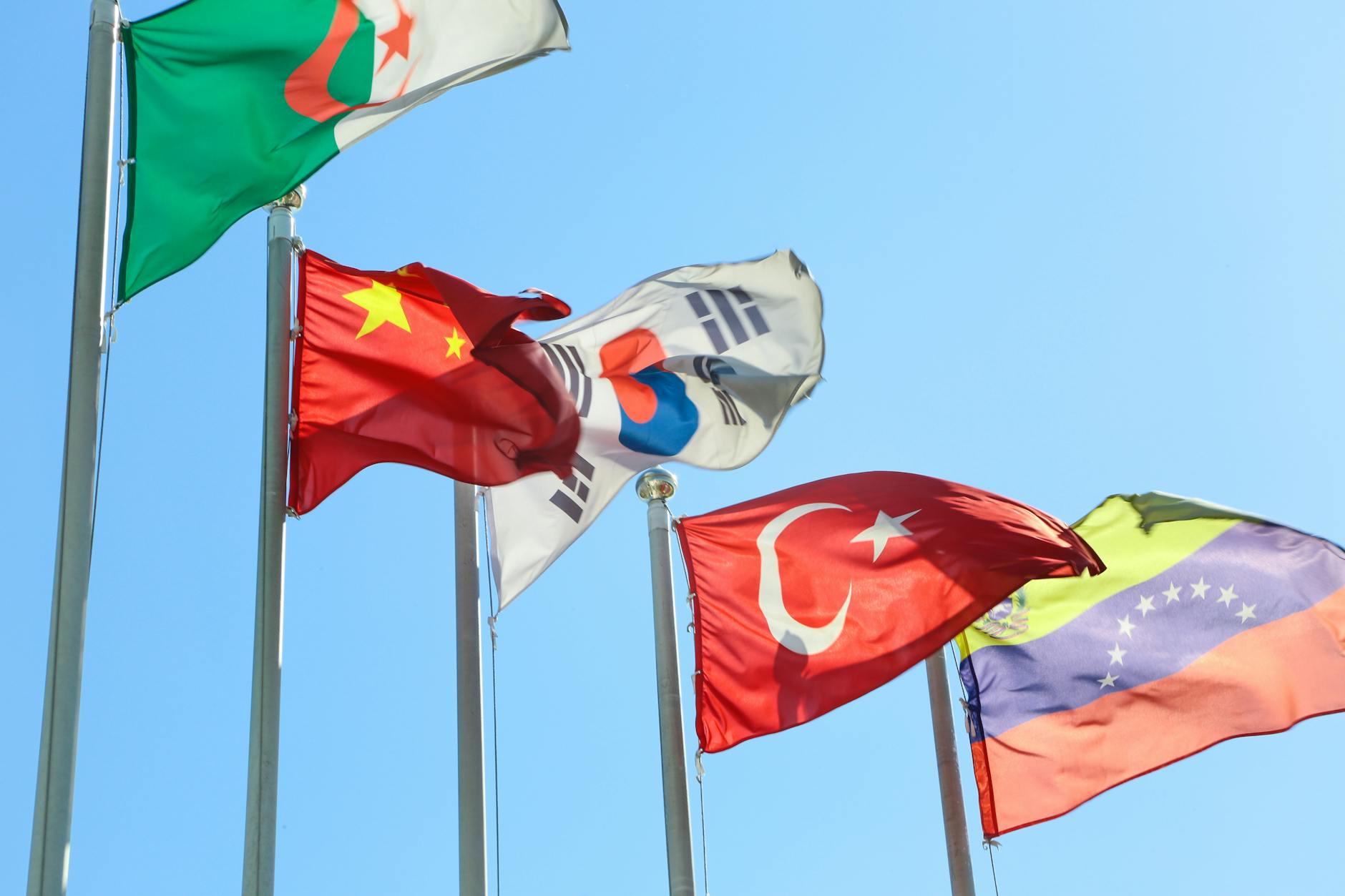
The continued economic sanctions against Iran have forced it to rely increasingly on China, Venezuela, and Russia for trade and oil exports, effectively cutting Iran off from traditional global markets. This isolation has actually strengthened Tehran’s resolve in some ways, as it has no incentive to moderate its behavior in hopes of sanctions relief. Meanwhile, countries that want to maintain both American relationships and profitable trade with Iran face impossible choices—particularly Iraq, which borders Iran and has significant economic interdependence but also hosts American military advisors.
The normalization of Israeli ties with Arab states has opened new economic opportunities for cooperation on technology, water management, and agricultural innovation. However, the benefits are not equally distributed. Large countries like Saudi Arabia and the UAE can negotiate from positions of strength, while smaller states like Bahrain and the UAE’s smaller neighbors have less leverage and may find themselves economically dependent on their larger partners. The risk is that some countries could become quasi-vassal states rather than genuine alliance partners.
What Are the Risks of Instability in This New Alliance Structure?
The most significant risk is that these new alignments are held together primarily by fear of Iran rather than by shared positive interests. When alliances rest on a common enemy rather than common goals, they are vulnerable to dramatic shifts in circumstances. If Iran’s nuclear program were somehow resolved through negotiation, or if external pressure on Iran increased dramatically and weakened it significantly, these coalitions could fracture immediately, leaving countries exposed.
Additionally, proxy warfare in places like Yemen, Syria, and Iraq continues despite these new formal alliances, creating situations where allied nations may inadvertently find themselves supporting opposing sides in local conflicts. Israel’s military operations in Palestinian territories also remain a flashpoint that could destabilize Arab-Israeli cooperation—any major escalation could force Arab governments to abandon their coordination with Israel due to domestic pressure, even if they believe such cooperation serves their security interests. The contradiction between states’ official positions and their actual strategic behavior creates an unstable equilibrium.

How Are Smaller Nations Positioning Themselves?
Countries like Oman, which has historically maintained neutrality and served as a backchannel for negotiations, are finding their traditional role increasingly difficult to sustain. They want to remain friendly to all sides, but the polarization is making this harder.
Similarly, Iraq and Syria face extraordinary pressure from all directions—Iraq hosts American forces while also having a significant Iranian-aligned population, and Syria remains dependent on Iran militarily while also seeking normalization with Arab states. Lebanon represents perhaps the most tragic example, where alignment with Iran through Hezbollah has contributed to economic collapse and political dysfunction, making it increasingly isolated from the broader Arab world. This serves as a cautionary example for other nations considering deep entanglement with either Iran or the anti-Iran coalition.
What Does This Mean for the Region’s Future?
The Iran War’s reshaping of alliances suggests a region that is moving toward a more explicitly multi-polar structure, at least in the medium term. The old Cold War framework of Arab bloc versus Israel has been replaced by a more complex map where shared geopolitical interests matter more than historical enmities.
However, this evolution is contingent on Iran remaining militarily strong enough to be perceived as a genuine threat; any significant weakening of Iran could destabilize the entire coalition structure. Looking forward, the key question is whether these alliances can develop deeper economic, cultural, and institutional connections that make them more resilient than fear-based coalitions. Israel’s integration into regional technology and water-sharing initiatives suggests the possibility of deeper cooperation, but the ongoing Palestinian issue and potential future Iranian military developments will continue to test whether these partnerships can survive stress.
Conclusion
The Iran War has fundamentally altered Middle Eastern alliances by making traditional Arab-Israeli enmity secondary to the perceived threat of Iranian regional dominance. Countries that were enemies a decade ago are now sharing military bases, intelligence, and coordinated defense strategies, while Iran finds itself increasingly isolated and dependent on non-traditional partners like China and Russia.
This realignment is neither stable nor permanent—it rests largely on fear of a common adversary rather than on shared positive vision. For countries in the region, the challenge is to convert this crisis-driven coalition into something more durable by building genuine economic and institutional partnerships. For the international community, the critical task is recognizing that Middle Eastern stability depends less on forcing countries toward particular alignment choices and more on creating conditions where regional powers have genuine incentives to cooperate on shared challenges like water scarcity, climate change, and economic development.
Frequently Asked Questions
Could Iran and the Arab states ever normalize relations?
Possibly, but only if Iran significantly reduces its nuclear ambitions and proxy network activities. The current alignment would likely dissolve if Iran were perceived as weakening, but it could also fracture if tensions escalated dramatically.
Why don’t Arab states openly ally with Israel?
Domestic political pressure and the Palestinian issue remain significant constraints. Official alliance would face resistance from populations sympathetic to Palestinian causes, even if governments believe the strategic partnership serves their interests.
Is this alliance structure permanent?
No. It’s fundamentally built on opposition to Iran rather than positive shared interests. Changes in Iran’s power or behavior, American strategic choices, or internal regional conflicts could reshape these partnerships rapidly.
How does the Palestinian conflict affect these new alliances?
It’s a constant tension point. Arab governments have normalized Israeli relations for strategic reasons, but they remain constrained by public opinion and the need to maintain legitimacy with their populations.
What role do energy interests play in these alliances?
Significant. Gulf states’ economic concerns about Iranian naval threats to oil shipping, combined with their desire to maintain American military protection, drive their willingness to cooperate with Israel and align with the United States.
Can smaller nations maintain neutrality in this conflict?
Increasingly difficult. Global supply chains, military dependencies, and the comprehensive nature of modern sanctions make true neutrality nearly impossible without significant costs.
You Might Also Like
- Why Is the Iran War Creating One of the Largest Environmental Disasters in Middle East History
- How Did the Iran War Change the Balance of Power in the Middle East Overnight
- Why Is the Iran War Accelerating the Shift Away From Fossil Fuels
For more, see Alzheimer’s Association.