Iran war sits at the center of this dementia and brain health question.
The Iran war, which began on February 28, 2026, has created an environmental catastrophe that directly threatens brain health across the Middle East. Over 300 environmental incidents have been documented as of March 10, 2026, including strikes on major oil facilities in urban areas that have filled cities with heavy smoke, contamination of critical water infrastructure serving 100 million people, and thousands of hectares of forest destroyed. For elderly populations and people with dementia, who are already vulnerable to environmental toxins and dehydration, this disaster compounds existing health risks in ways that demand immediate attention from caregivers and families.
The scale of this environmental crisis is historic. The conflict has damaged desalination plants that millions depend on for drinking water, destroyed forests across protected areas, and created an ongoing air quality emergency from oil facility fires. According to WHO data, 52% of disease burden in Iran is already attributable to environmental risk factors—even before this war. For people living with dementia, whose bodies cannot regulate stress responses as effectively and whose medications interact unpredictably with environmental toxins, this environmental disaster represents a direct threat to their cognitive stability and physical health.
Table of Contents
- How Did the Iran War Become One of the Largest Environmental Disasters in the Middle East?
- What Is the Scale of Water Infrastructure Damage, and Why Does It Matter for Brain Health?
- How Are Oil and Air Pollution Directly Affecting Cognitive Function?
- What Are the Broader Environmental and Health Impacts Beyond Air and Water?
- What About the Nuclear Facilities—Is There a Radioactive Risk?
- How Does Environmental Disaster Create Secondary Health Crises for Dementia Patients?
- What Does This Mean for the Future of the Middle East and Global Environmental Health?
- Conclusion
How Did the Iran War Become One of the Largest Environmental Disasters in the Middle East?
The environmental damage from the Iran war accelerated rapidly in its opening weeks. The US and Israeli airstrikes that began on February 28, 2026, targeted not just military and government facilities but also struck major oil infrastructure in Tehran and other urban areas. These strikes created massive air pollution events—heavy smoke that spread directly into residential neighborhoods where families, children, and elderly people breathed contaminated air. The scale was immediate and visible. Within the first days of Operation Epic Fury, over 300 environmental incidents were logged and assessed for risk. What makes this environmental disaster “one of the largest” is the combination of multiple overlapping crises. The oil strikes alone create acute air pollution.
But the conflict also threatened desalination plants in Iran and Bahrain—facilities on which approximately 100 million people across the Middle East depend for drinking water. Simultaneously, forest fires burned across Lorestan and Kermanshah provinces, destroying an estimated 9,000 to 10,000 hectares of forests and rangelands in just a 12-day period. Unlike previous conflicts, this war has struck the infrastructure that keeps a massive population alive: water systems, power generation, and agricultural land. The damage is cumulative and synergistic, not isolated. This matters deeply for people with dementia and their caregivers. Cognitive impairment makes people more susceptible to environmental hazards. Dementia patients often cannot communicate symptoms clearly, may not remember to drink water during scarcities, and may have existing respiratory or cardiac conditions that make air pollution especially dangerous.

What Is the Scale of Water Infrastructure Damage, and Why Does It Matter for Brain Health?
The Middle East was already facing a water crisis before the war began. Lake Urmia, once a major water source, had shrunk to less than 10% of its original volume. The Zayandeh River, which supplies water to Iran’s central plateau, had been dry for years. Ground subsidence from over-extraction was occurring at rates of 20 to 30 centimeters per year in some areas. Against this backdrop of existing scarcity, the war struck desalination plants—the infrastructure that made survival in an increasingly arid region possible. However, as of mid-March 2026, the attacks on desalination plants have been limited so far, not total destruction.
The real danger is the forecast: if attacks escalate, desalination plant failures could cut off drinking water to tens of millions of people. For elderly people and people with dementia, dehydration is a critical risk factor for acute confusion, cognitive decline, and medical emergencies. Dehydration impairs the brain’s ability to regulate temperature, reduce inflammation, and maintain electrolyte balance—all crucial for people whose cognitive function is already compromised. A dementia patient in a hot climate without adequate water can decline dramatically within hours. The Atlantic Council has noted that the potential for catastrophic water loss drives the forecast for a “dark future” in the region. Caregivers of people with dementia in affected areas face the prospect of managing their loved one’s hydration and hygiene in an environment where water is rationed or contaminated.
How Are Oil and Air Pollution Directly Affecting Cognitive Function?
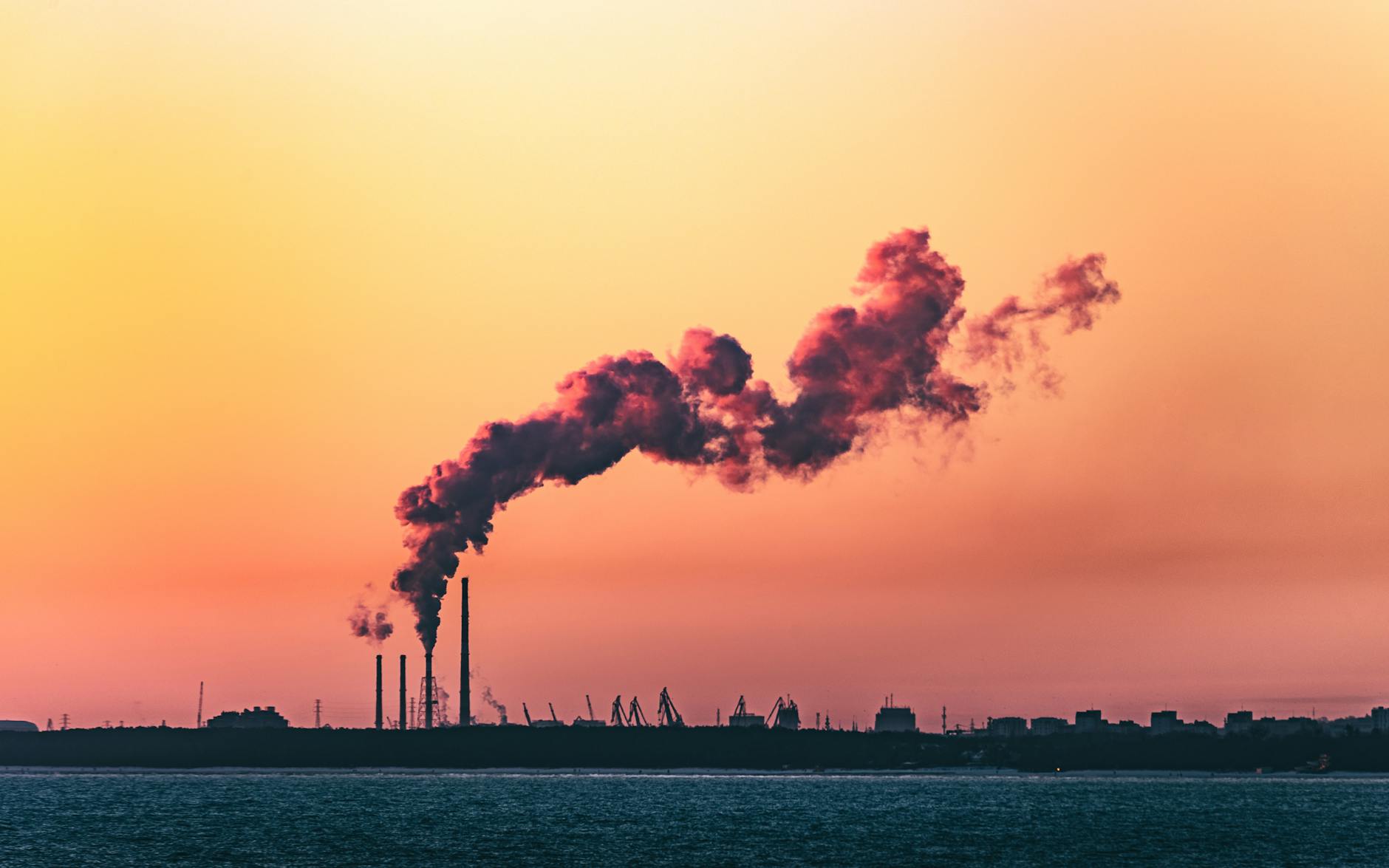
The strikes on major oil facilities have created immediate and visible air pollution—the kind of heavy smoke that residents can see and smell. This air is being inhaled by populations including children, working-age adults, and elderly people with existing respiratory and cardiovascular disease. The exposure is acute and ongoing. Air pollution affects brain health through multiple pathways. Fine particulate matter can cross the blood-brain barrier and accumulate in brain tissue, triggering inflammation and contributing to cognitive decline.
WHO data shows that 11% of deaths in Iran and 52% of disease burden are attributable to environmental risk factors—and air quality is one of the largest contributors. For people with dementia, air pollution accelerates cognitive decline, worsens behavioral symptoms, and increases the risk of falls and medical emergencies. Studies consistently show that elderly people exposed to high levels of air pollution show measurable increases in confusion, wandering behavior, and depressive symptoms. The long-term exposure risk is substantial. Unlike acute injuries that heal, the cognitive effects of chronic air pollution accumulate. A person with mild cognitive impairment exposed to months of heavy air pollution may progress to dementia faster than they otherwise would. This makes environmental protection not just a climate issue or a public health issue, but a critical concern for dementia care.
What Are the Broader Environmental and Health Impacts Beyond Air and Water?
Forest destruction affects both immediate ecosystem services and long-term climate stability. The 9,000 to 10,000 hectares of forests burned in the initial 12-day period of the conflict represented habitat, carbon sequestration, and watershed protection. The burned wetlands in Gilan mean reduced water filtration, reduced biodiversity, and long-term impacts on food security. These impacts are not abstract: less food production means malnutrition, which directly worsens cognitive function in elderly people and people with dementia. The conflict has also created a global energy shock. Access to the Strait of Hormuz—through which much of the world’s oil passes—is now threatened.
This accelerates the global shift toward renewable energy, which is positive for long-term climate stability and air quality. However, in the short term, energy uncertainty and potential shortages create instability in health systems. Hospitals and care facilities may face power disruptions. People dependent on medical devices or refrigerated medications face risks. For people with dementia in institutional or home care settings, power disruptions can be dangerous. A critical limitation here: while the global energy transition toward renewables is ultimately beneficial, the transition itself may create short-term instability in the Middle East and beyond. Caregivers should prepare for the possibility of care disruptions and have backup plans for power-dependent care needs.
What About the Nuclear Facilities—Is There a Radioactive Risk?
The Natanz Fuel Enrichment Plant sustained damage during the conflict. The IAEA confirmed damage to entrance buildings at the facility. However, at the time of reporting in mid-March, no radioactive release was anticipated. This is important: there is currently no evidence of catastrophic nuclear contamination from the conflict.
However, if continued targeting occurs, the risk changes substantially. Nuclear contamination would create a different class of environmental disaster—one that would make large areas uninhabitable for years or decades and would increase cancer risk and genetic damage. For now, this remains a risk rather than a realized disaster, but it is a risk that must be monitored. The limitation is clear: as long as the conflict continues, the risk of escalation to nuclear damage exists. This is not the case if warfare ends.

How Does Environmental Disaster Create Secondary Health Crises for Dementia Patients?
Environmental disasters create cascading health failures beyond the direct environmental exposure. When water systems fail or become contaminated, people cannot properly hydrate, bathe, or cook safely. Nutritional security fails as food supply chains break down. Medical systems become strained, reducing access to medications and routine care. For people with dementia, who depend on stable routines and consistent medication management, these cascading failures create behavioral crises, medical emergencies, and accelerated decline.
Additionally, environmental disasters create displacement and instability. People flee affected areas, families are separated, and the stress itself worsens dementia symptoms. Caregivers become stretched beyond capacity. The combination of environmental toxin exposure, nutritional stress, medication access loss, and psychological stress creates a perfect storm for people with cognitive impairment. This is why environmental disasters disproportionately harm elderly populations and people with dementia.
What Does This Mean for the Future of the Middle East and Global Environmental Health?
The Iran war environmental disaster is not isolated—it follows the pattern of modern conflicts that increasingly target civilian infrastructure and environmental systems rather than military targets alone. The environmental consequences will likely persist for decades. Air quality may take years to recover if oil industry infrastructure is extensively damaged. Water systems, once destroyed, take years to rebuild. Forest recovery takes decades.
The climate impacts from destroyed vegetation and lost carbon sequestration will persist indefinitely. Looking forward, this conflict reinforces the critical importance of protecting critical infrastructure, including environmental and water systems, as a matter of human rights and public health. For regions already facing climate stress and water scarcity, environmental warfare is existential. The global community’s response to this crisis—whether it leads to stronger protections for critical infrastructure or continued vulnerability—will determine how resilient populations can be to future environmental shocks. For dementia patients and their families, this means advocating for climate stability and infrastructure protection as healthcare issues, not just abstract environmental concerns.
Conclusion
The Iran war has created one of the largest environmental disasters in Middle East history through the combination of oil facility strikes creating acute air pollution, threats to desalination plants that serve 100 million people, and destruction of 9,000 to 10,000 hectares of forests. The documented 300+ environmental incidents as of March 2026 represent both immediate health threats and long-term consequences. For people with dementia and elderly populations, these environmental impacts are not distant problems—they directly threaten cognitive function, physical health, and care stability. Understanding this disaster matters for caregivers, families, and healthcare providers.
If you care for someone with dementia in an affected region, prioritize hydration, medication access, air quality (using masks and air filters where possible), and care continuity. If you live in an area receiving climate and air impacts from the conflict, advocate for environmental protections and support policies that reduce regional conflicts over scarce resources. The environmental disaster in the Middle East is ultimately a warning about what happens when essential systems—water, air, food supply, and climate stability—are compromised. Protecting these systems is dementia care.
You Might Also Like
- What Is Afghanistan’s Position on the War With Iran
- How Did the U.S. Navy Position Its Assets Before the Iran War Started
- Why Is Iraq Caught in the Middle of the Iran War Despite Not Being a Target
For more, see Alzheimer’s Association.